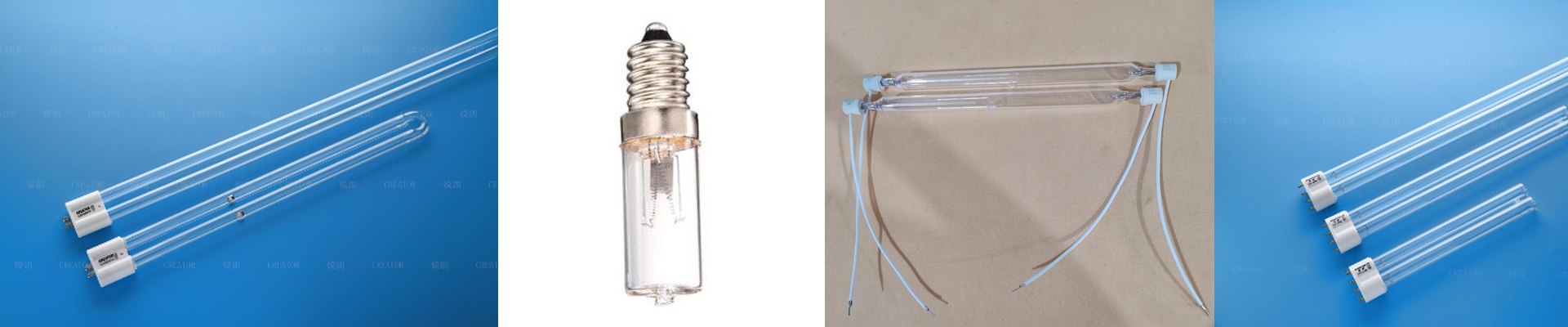
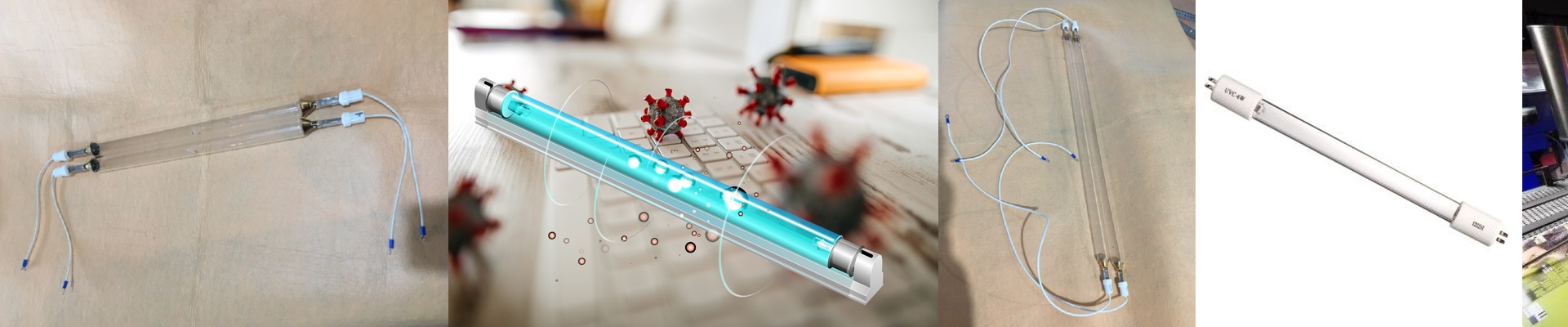
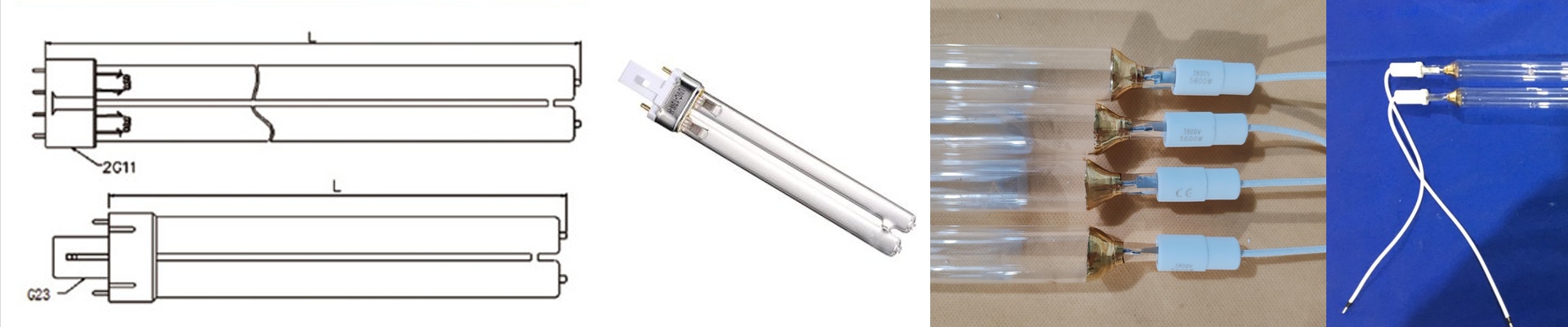
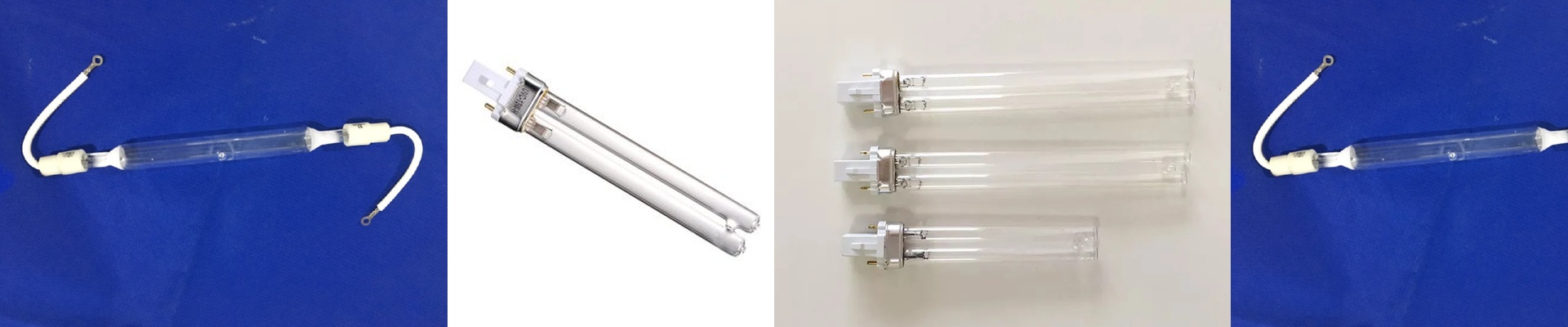

The press is humming at line speed. Ink laydown is steady, the substrate is tracking true, and then you spot it—a faint tack on the image, or a subtle yellow that only shows up after the stack. The operator looks at the lamp. It’s lit. The power meter reads within spec. Yet the cure isn’t what it was last week. That’s not a “lamp failure” in the obvious way. It’s a spectral failure. In UV curing, it’s not enough for the lamp to simply light up. What matters is whether its spectral power distribution (SPD) delivers photon flux where the ink’s photoinitiators actually absorb. If the output drifts—peak shifting, spectrum widening, or irradiance dropping—curing efficiency falls, even when the lamp still draws its rated current. That’s why agents and distributors in the printing consumables market do better when they treat SPD as a measurable spec you can stand behind, not a marketing phrase.
Power, spectrum, and what the cure actually depends on
A UV lamp in industrial printing isn’t just a light source. It’s a photochemical reactor. The output has to match the absorption profile of the photoinitiators in the ink, lacquer, or adhesive. For most UV offset, flexo, and screen inks using standard photoinitiator packages, the heavy lifting happens in the UVA band, with 365 nm and 385 nm doing the real work on cross-linking. We size and specify lamps around three interlocking factors: **Electrical input and arc power density.**With a high-pressure mercury vapor lamp, rated power—often 80 W/cm, 120 W/cm, or 240 W/cm—sets the energy available to the arc. More power raises peak irradiance, which directly affects cure speed. But power alone is a trap if the SPD is off. A lamp can hit its electrical rating and still under-cure if the spectrum is mismatched or the reflector system is inefficient. **Spectral power distribution (SPD) and dominant wavelength.**The SPD curve shows radiant power at each wavelength. A lamp built around a 365 nm dominant peak concentrates output where many photoinitiators absorb strongly. A 385 nm dominant lamp gives longer wavelengths that penetrate a bit deeper and can improve surface cure on pigmented systems by cutting down oxygen inhibition at the top layer. The point is simple: match the lamp’s dominant peak to the ink chemistry. If the ink is formulated for 365 nm absorption, running a broad spectrum with a weak 365 nm component forces you to slow the press or crank the lamp—either way, you pay in yield. **Irradiance, energy density, and the cure window.**Peak irradiance (mW/cm²) at the substrate surface sets how fast photoinitiators decompose. Energy density (mJ/cm²) is the delivered dose—irradiance multiplied by exposure time. The “cure window” is the combination of spectrum, irradiance, speed, and distance where the ink cures fully without under-curing (tack, migration) or over-curing (brittleness, yellowing). In real life, stable lamp output and controlled reflector geometry are what keep that window consistent shift after shift. Reflectors and dichroic coatings matter here, too. A reflector with high UV reflectivity and tight optical control focuses usable UV onto the substrate, which boosts efficiency. A dichroic coating can shape the SPD by reflecting UV while transmitting visible and IR, cutting substrate heating. Less heat means less web distortion, less shrink, and fewer jams—especially on thin films.
Why this is the agent’s edge in printing consumables
If you’re evaluating how to represent or distribute our UV lamps, the opportunity isn’t just “selling a replacement part.” It’s selling repeatable curing performance that protects uptime and lowers total cost of ownership. **Higher speed with stable output.**When the lamp delivers consistent peak irradiance and the right SPD, presses can run faster without sacrificing cure. We see installations where moving to a lamp with matched SPD and better reflector efficiency enables a 15–25% speed increase without adding lamp power. That’s not a claim—it’s measured by tracking energy density at the substrate with a radiometer. **Tighter quality across substrates.**Textiles, foils, plastics, and coated papers all react differently to heat and UV. A lamp that minimizes IR emission (thanks to dichroic reflector design) reduces heat load, which helps prevent curl and keeps registration. Meanwhile, the SPD is tuned to the ink: 365 nm for strong surface cure and adhesion on many clear systems; 385 nm for better through-cure on pigmented or thicker ink films. The payoff is fewer rejects, less rework, and more predictable color and gloss. **Lower operating cost per print.**Energy matters, but lamp life is often the bigger lever. A lamp that holds its UV output longer cuts replacement frequency and downtime. We design for long arc stability: units have run 5,000+ hours with less than 5% output drop when operated within rated parameters and with proper cooling. That directly improves cost per cured impression. **A defensible position in consumables.**Printers don’t want “cheap lamps.” They want predictable curing. When you specify lamps by SPD, dominant wavelength, peak irradiance, and rated life, you move the conversation from price to performance. That’s the difference between a transactional part and a partnership that keeps the business coming back.
What you need to get right: compatibility, setup, and real-world limits
A UV lamp is not a universal drop-in, even when the physical dimensions line up. **Match the press.**Offset, flexo, and screen presses have specific lamp housing geometries, power connections, ignition circuits, and airflow needs. Lamp length, arc gap, and end-of-life detection have to align with the machine. A mismatch can cause poor ignition, an unstable arc, or irradiance that never reaches the substrate plane. **Cooling and ozone aren’t optional.**High-pressure mercury lamps need controlled airflow to keep the arc tube temperature in range. Restricted airflow accelerates output decay and shortens life. Some configurations generate ozone; if the printer doesn’t have an ozone exhaust path, you need an ozone-free or low-ozone version. Ignore it, and you’ll get premature lamp failure—and a safety headache on the floor. **Heat and reflector upkeep are real constraints.**Even with IR reduction, high-output UV lamps heat the substrate. On thin films, you may need to adjust airflow distribution, add cooling rolls, or trim power density to avoid curl. Reflectors also degrade from dust, ink mist, and thermal cycling. A dirty or misaligned reflector can drop irradiance by double-digit percentages. Make reflector inspection and cleaning part of routine maintenance. **Radiometry is the only way to manage drift.**UV output declines over time, and you can’t judge it by eye. Use a calibrated spectral radiometer to measure irradiance and energy density at the substrate surface. Track the numbers. Then you replace lamps based on performance, not guesswork, and keep the cure window stable across shifts. If you want to build a durable agency business around our UV lamps, focus on what’s measurable: SPD that matches the ink, irradiance that supports the press speed, and a system that stays stable over thousands of hours. That’s how you turn consumables into predictable growth—one cured print at a time.