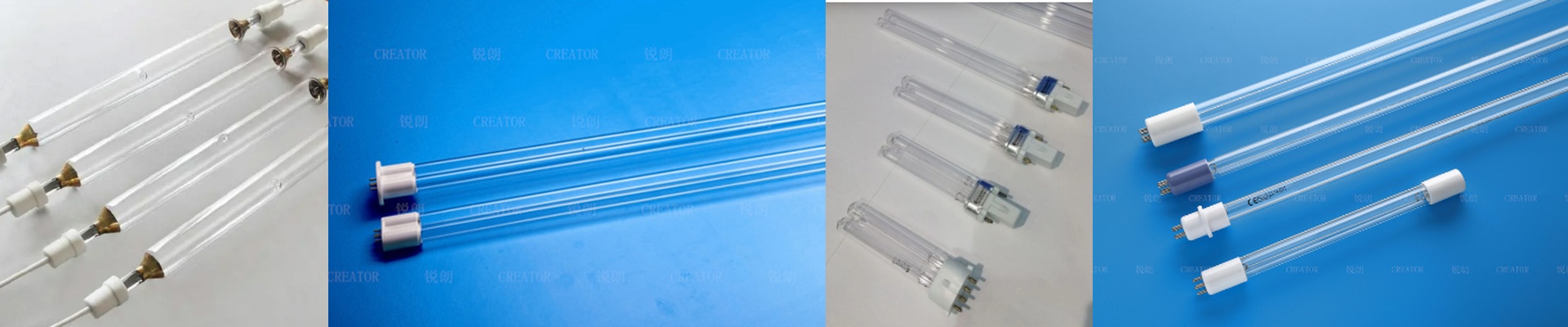
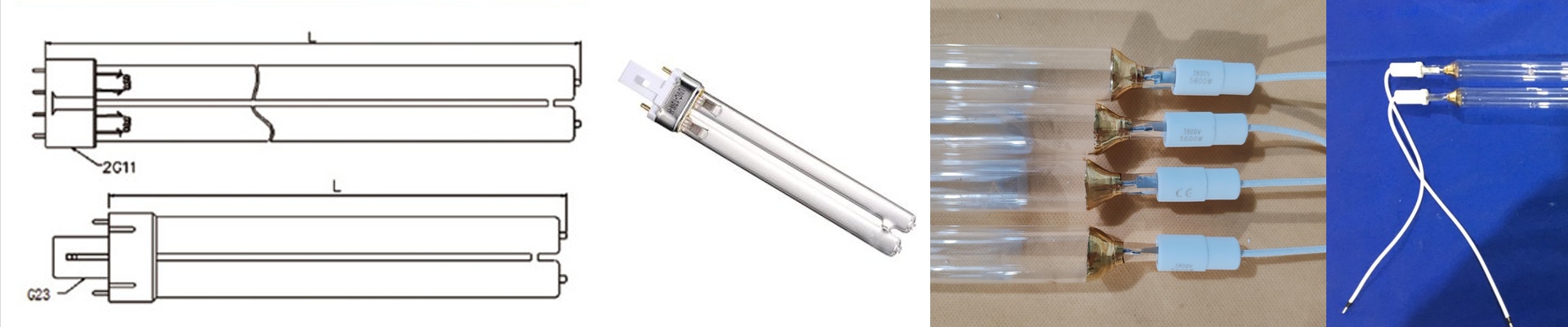
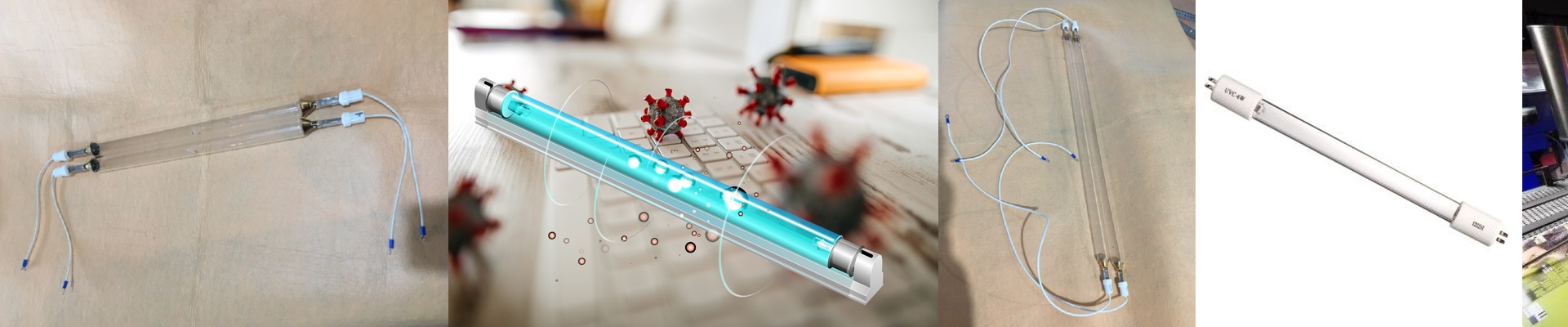
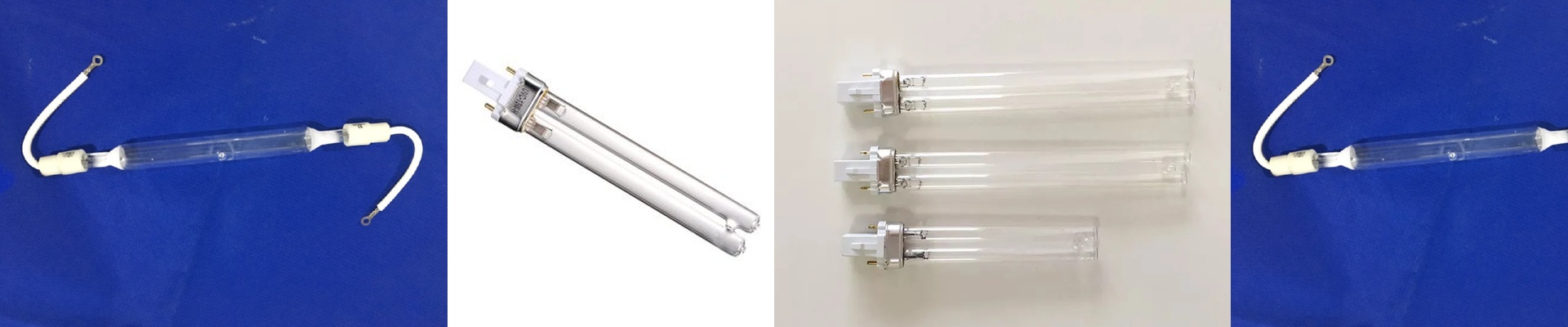
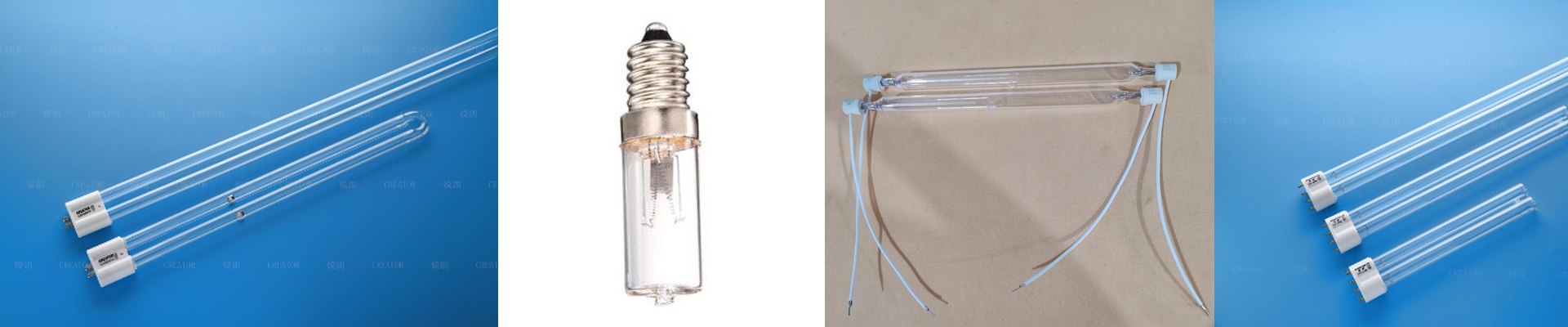
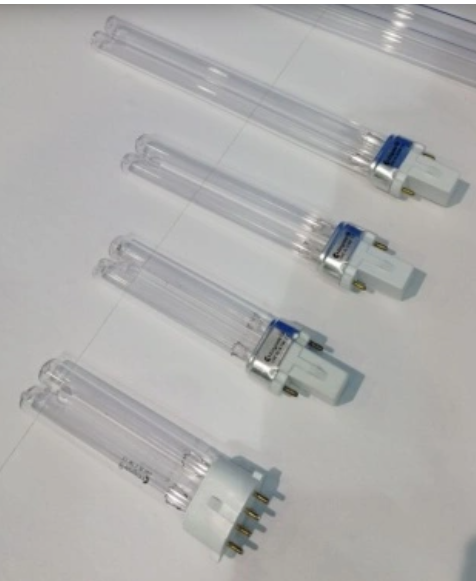
On the press floor, counterfeit detection comes down to the spectral signature of your UV cure. Standard broadband lamps flatten the subtle fluorescence and micro-textures baked into security inks. What you need is a narrow, repeatable spectral output that triggers the photoinitiators in those inks without overcuring the substrate or lighting up unwanted background fluorescence. What matters, technically We built a high-spectral-purity 365nm mercury vapor lamp with a tight spectral bandwidth and an ozone-free quartz envelope. The reflector uses a dichroic coating tuned to 365nm, so you get a peak irradiance above 2.5 W/cm² at the substrate plane and a curing energy density of 800–1200 mJ/cm², depending on line speed. Output stays stable across lamp life—less than 5% drop after 5,000 hours—and the arc length is matched to common UV offset and screen modules. Why it works in this application Anti-counterfeiting inks lean on photoinitiators that respond to 365nm with high selectivity. Our narrowband output improves cross-linking uniformity, so micro-features and latent images cure clean, giving you better machine-readable contrast under spectral verification. Color and texture hold steady, false rejects drop, and makereadies are faster because the lamp hits full intensity immediately—no warm-up. It draws less energy than broadband systems, and the spectral precision keeps unwanted substrate heating in check. The details that keep it running Matching reflector geometry and lamp position to your print deck is critical. Even a 5mm offset can cut irradiance by 20%. Make sure the ink’s photoinitiator spectrum lines up with 365nm, and confirm substrate UV transmission. The lamp runs hot at peak output—keep cooling airflow steady and respect the thermal interlocks. In dusty shops, reflector maintenance is a bit higher; clean with isopropyl alcohol and inspect quarterly to keep spectral efficiency where it should be.