



CE Certification: Why It Actually Matters for Your UV Bulbs
Let’s be honest. Most people see a CE mark and think “paperwork.” Just another stamp to check off a list so the auditors stay happy. But when you’re dealing with industrial mercury UV bulbs, that little logo is actually doing some heavy lifting.
More than just a sticker
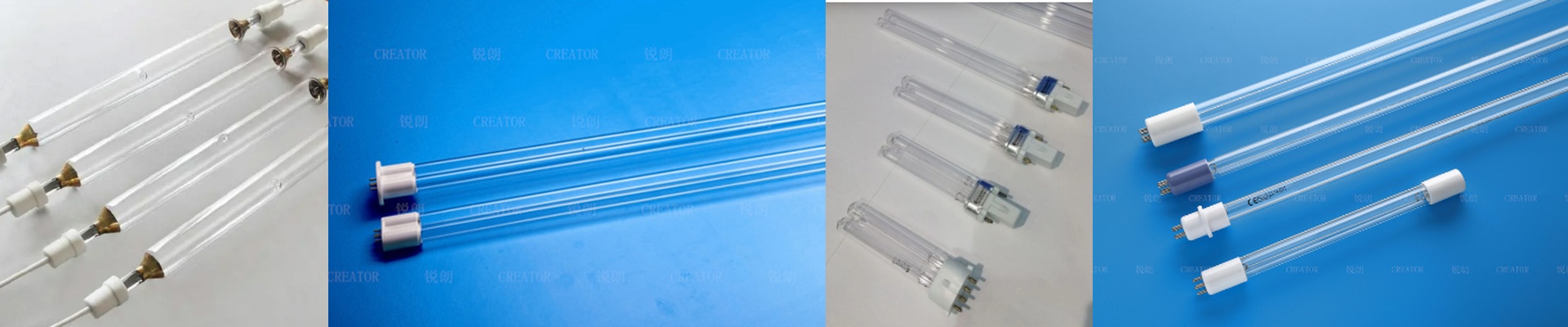
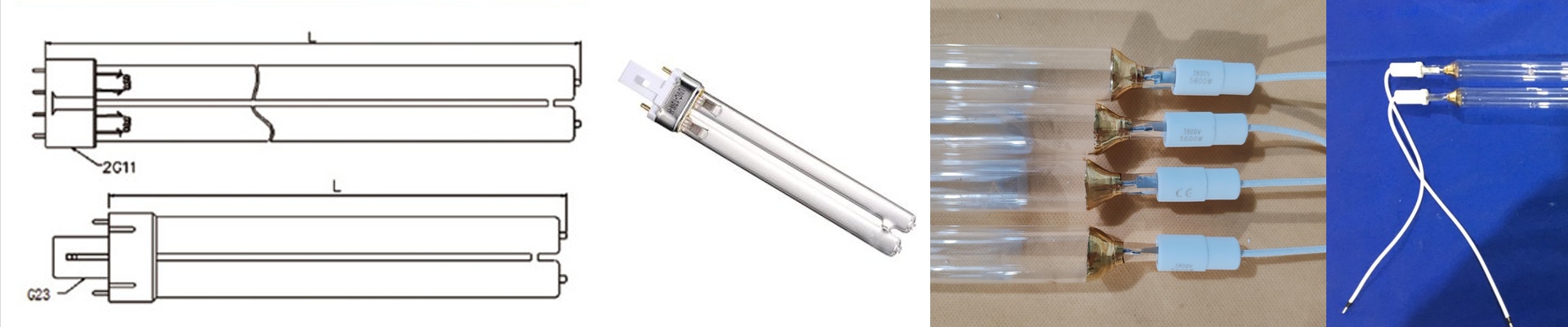
A mercury UV bulb isn’t just a tube of glass and gas. It’s a high-voltage beast that puts out intense radiation. That’s why we obsess over the details. We spend a lot of time making sure the quartz envelope can handle the heat and that the end-cap seals are airtight. If you use a bulb that wasn’t built to these specs, you’re playing a dangerous game. You risk an arc-over or a bulb that burns out way before it should. Nobody wants to deal with that kind of downtime. Plus, we stick to the LVD and RoHS directives. In plain English? We make sure we aren’t using nasty, banned chemicals in the build. And since the electrical side is dialed in, you don’t have to worry about the bulb messing with your PLC or tripping out your sensors on the shop floor. It just works.
The cost of doing it right
The high-end market doesn’t do “good enough.” They want proof. In a lot of regions, that CE mark is basically a passport—without it, you can’t legally sell or run your machinery. Simple as that. Now, here’s the trade-off. Meeting these standards means we can’t cut corners. We have to use high-purity quartz and be incredibly precise with the mercury filling. It costs a bit more to do it this way, sure. But it’s a lot cheaper than a massive product recall or a failed safety audit. We’ve designed these bulbs to be easy, drop-in replacements. Just keep one thing in mind: the CE mark tells you the bulb is safe and compliant. It’s still up to you to make sure your ballast and cooling system can handle the thermal load of a high-wattage lamp. Keep your cooling tight, and these bulbs will do the rest.