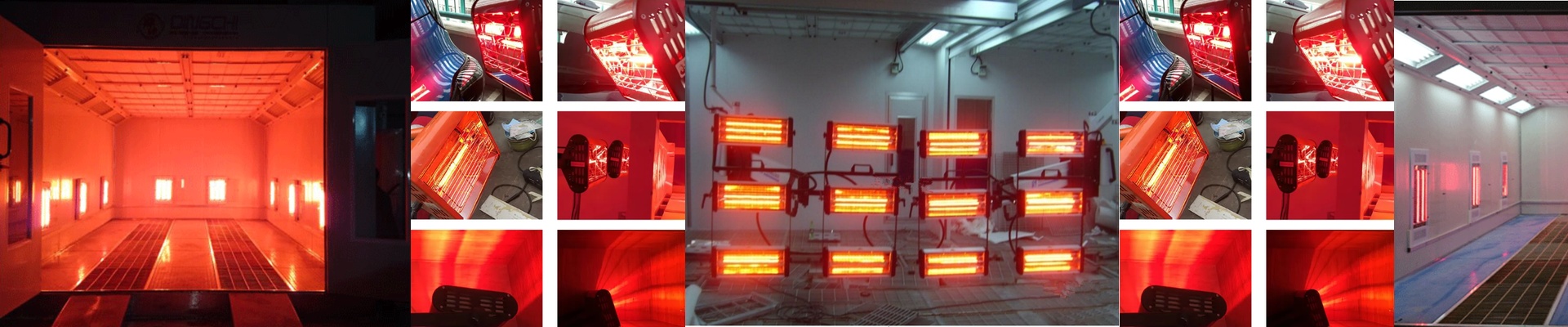
Getting Your Infrared Heating Wall Right (No Matter the Car Size)
When we’re building custom heating walls for paint booths, the big goal is simple: every inch of that vehicle needs to feel the same amount of heat. But here’s the problem. A “one size fits all” setup is a disaster. You end up with cold spots on a low-profile sports car and a massive SUV that’s practically overheating. It just doesn’t work.
The Trick to Vertical Heat
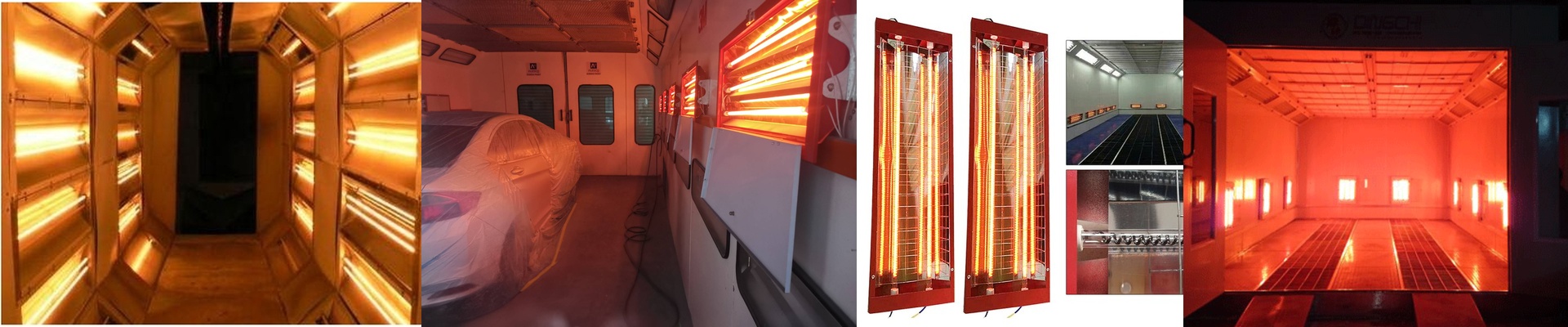
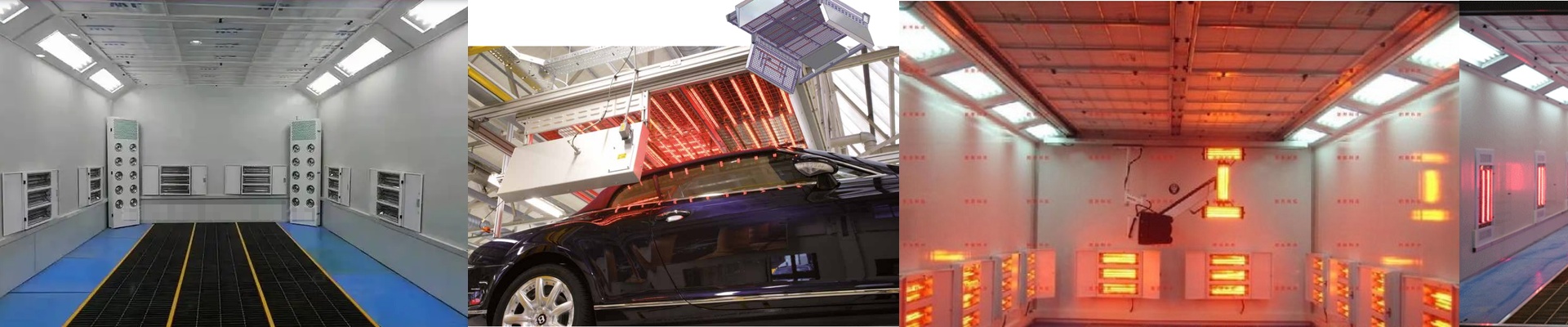
We figure out where the quartz lamps go based on the height of the cars you’re actually working on. Short-wave infrared lamps throw energy in a pretty tight beam. If you space those tubes too far apart, you get “striping.” That’s when the paint right in front of the lamp cures perfectly, but the gaps in between stay wet. To fix that, we overlap the radiation cones. We basically calculate the gap between the lamp and the car so the heat patterns merge into one smooth wave before they even touch the paint.
Picking the Right Tubes
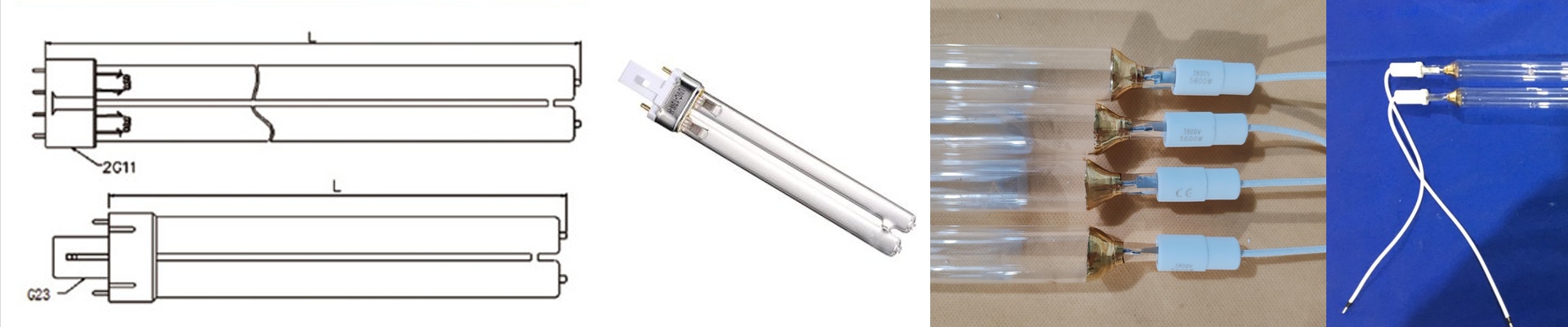
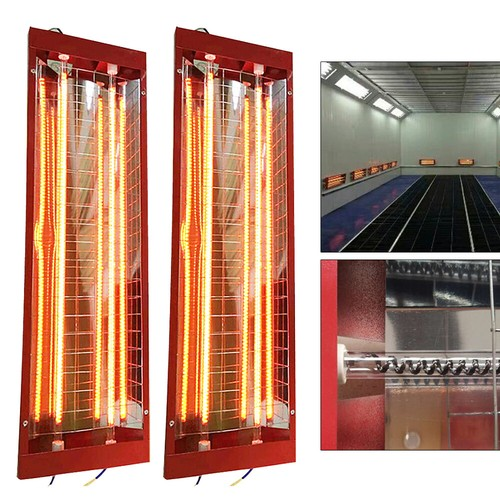
We usually go with high-wattage quartz elements. It keeps the whole setup compact without sacrificing heat. For the big walls, we move to 400V systems. Why? It drops the current draw per circuit. That means we can use thinner wiring and we don’t have to worry about voltage dropping off over long runs. But you have to be careful. If you cram too many kilowatts into a tiny vertical space, you can actually warp the mounting frames. Unless the support structure is heat-treated, it’ll just bend.
The Real-World Trade-offs
We use quick-connect sockets for everything. Because let’s be honest—lamps burn out. When one goes, you want to swap it in seconds. You shouldn’t have to tear down the whole rack just to replace a bulb. One thing to watch out for: tighter lamp spacing makes the whole wall run hotter. Your ventilation needs to be strong enough to suck that ambient heat out of the booth. If it doesn’t, you’re looking at “solvent pop” in your finish, which ruins the whole job. High-density arrays are fast—really fast—but they’ll put a serious strain on your power grid.