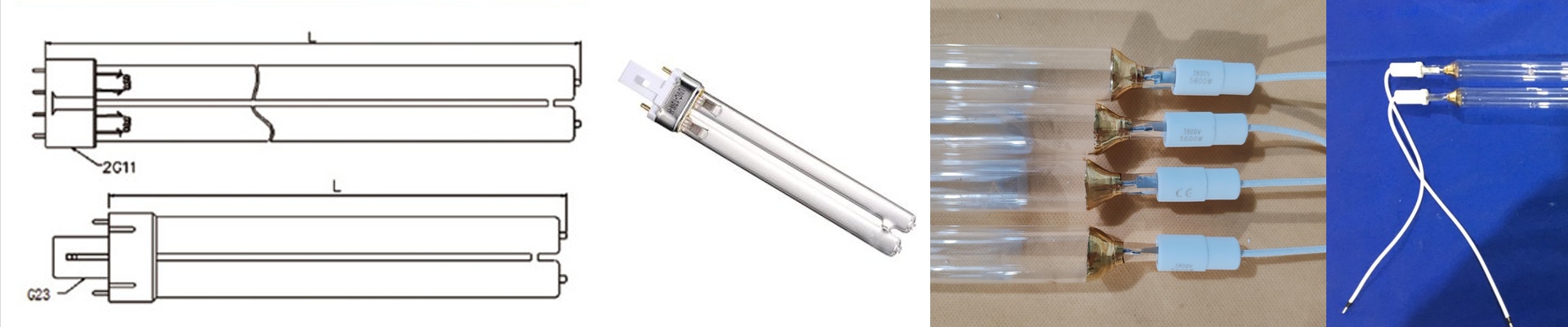

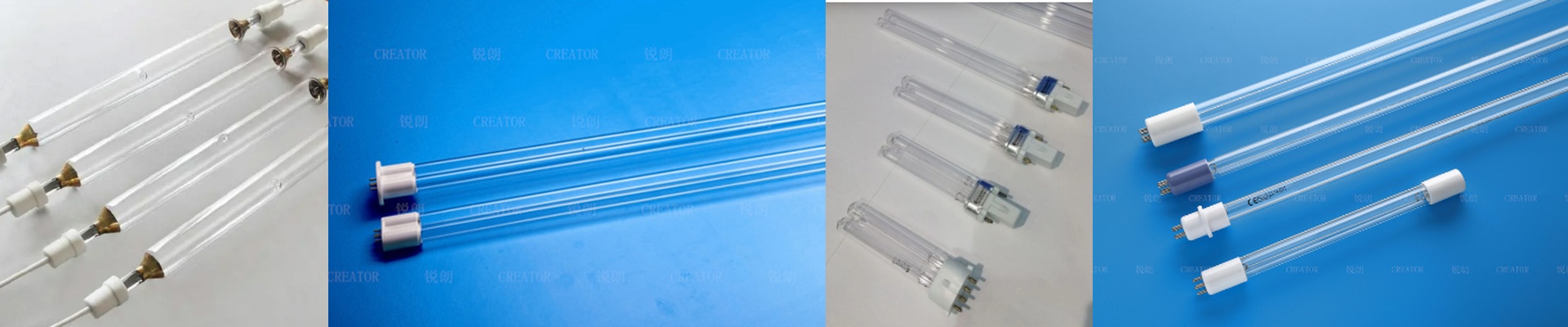


Getting the Most Out of Your Mercury UV Curing Tubes
Here is the deal with mercury UV tubes: they work by blasting mercury vapor at high pressure to create the exact UV wavelengths your inks and coatings need to harden. It sounds simple, but in a real industrial setting, that creates a ton of heat and stress. We build our tubes specifically to handle that grind so they don’t just burn out when you need them most.
Why Some Tubes Last and Others Don’t
If you want a tube that actually lasts, it all comes down to the glass and the mercury. We use a high-transmittance fused quartz. Why? Because of something called solarization. You’ve probably seen it—where the glass starts to look cloudy over time. Once that happens, your UV output drops and your line speed crawls. It’s frustrating. By keeping the quartz pure, we make sure the light stays strong from day one until the end of the tube’s life.
Power, Heat, and the Trade-off
We push these tubes for high wattage because we know you want your product cured fast. Speed is money. But high power puts a massive strain on the ends of the tube. To fix that, we beef up the electrode seals to stop gas leaks. One word of advice: if you’re running these at max power,**check your cooling system.**If the tube gets too hot, the mercury vapor pressure shifts. You’ll notice your curing efficiency dipping, and that’s usually a heat problem, not a tube problem.
Making Them Work in Your Shop
You shouldn’t have to fight with your equipment. Our tubes are designed to slide right into standard industrial arrays without any fuss. We pay a lot of attention to the fit of the end caps. A loose fit is a nightmare—it leads to arcing, and arcing fries your socket. We make sure the connection is tight and secure. Look, we aren’t into the marketing fluff. We just use raw irradiance data to prove our tubes work. If ours don’t hit the same speed and intensity as the big-name brands at the same price, we’ll give you your money back. Simple as that.