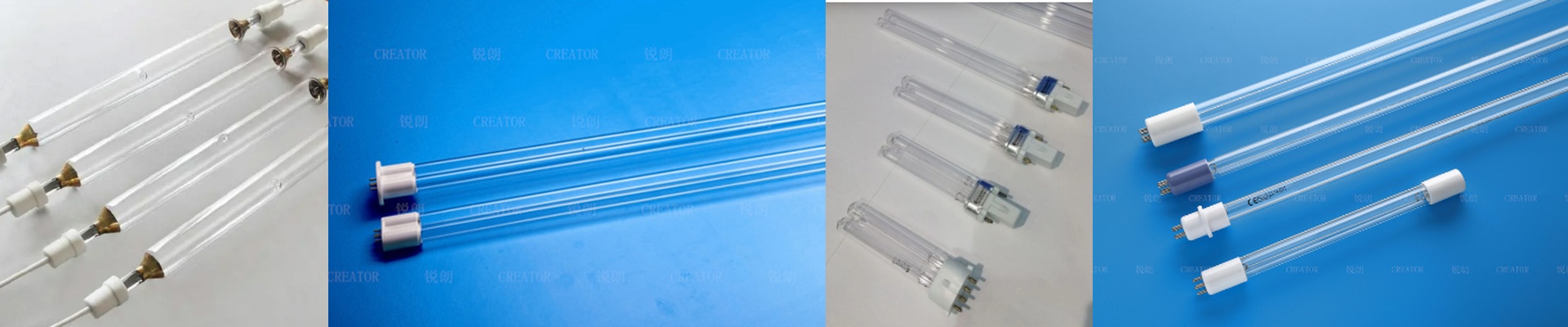
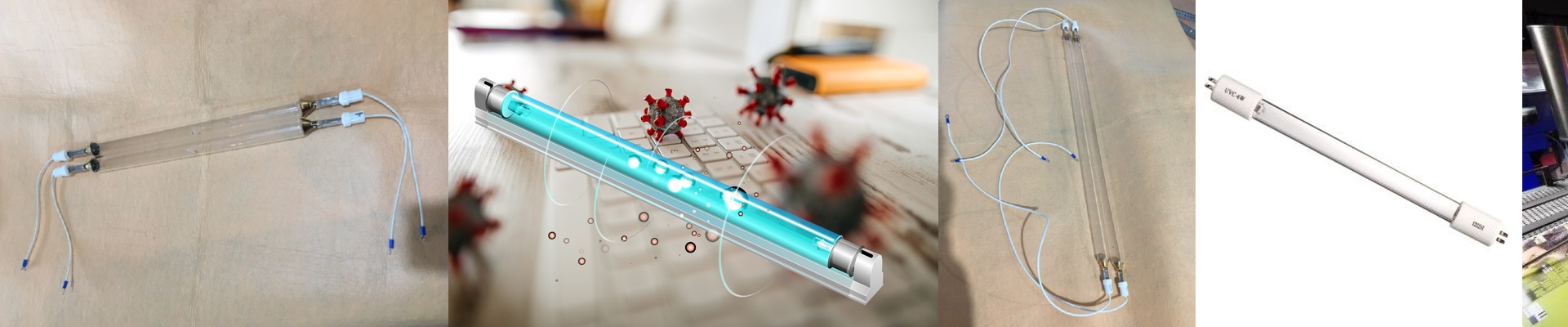
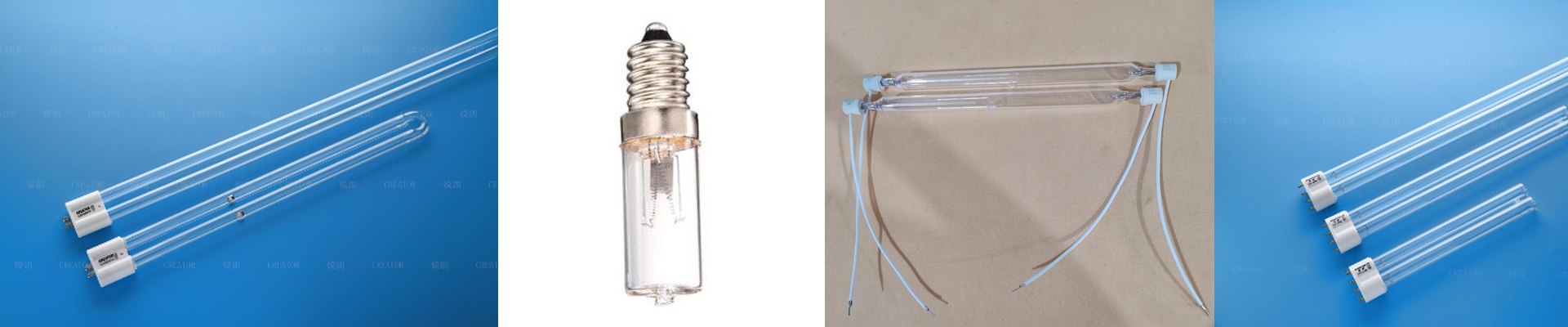
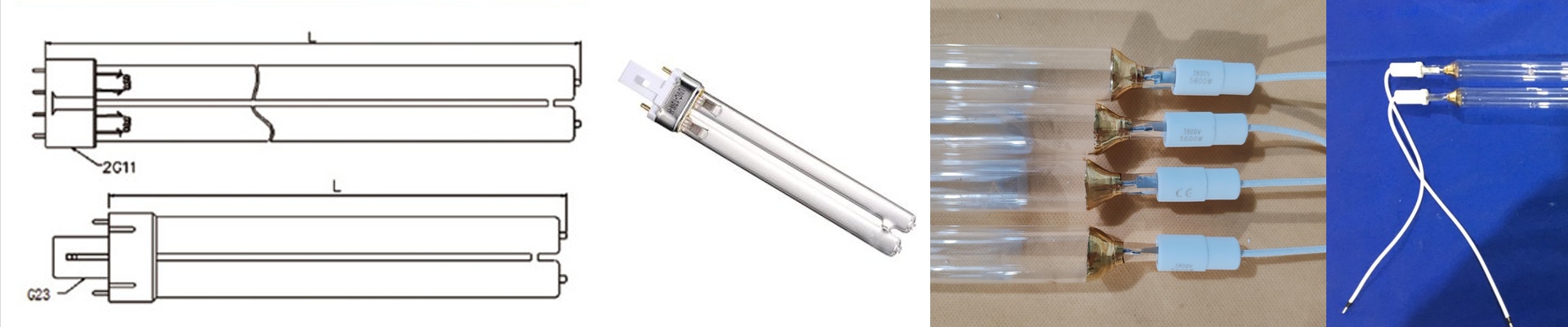
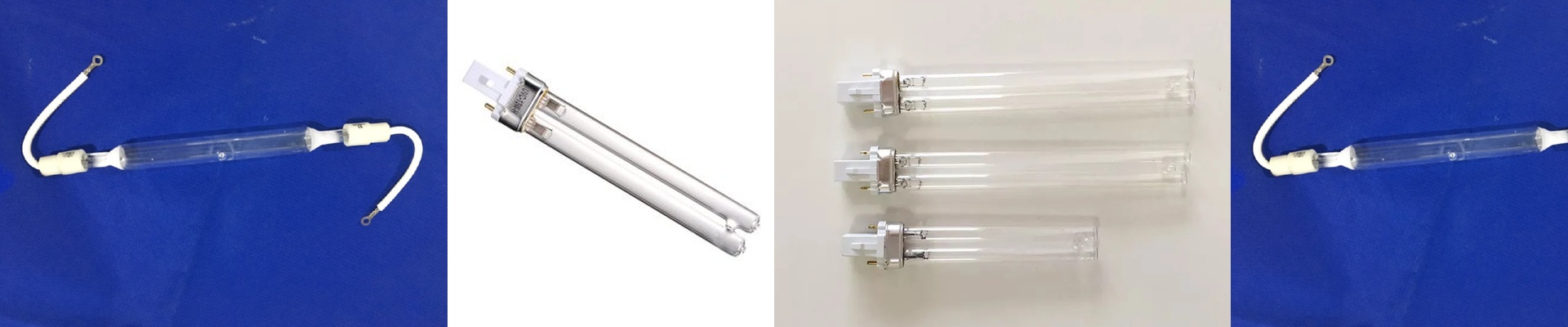
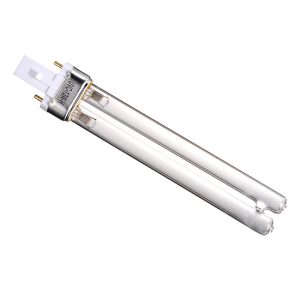
On a crowded shop floor where space is at a premium and every job is a custom run, the line between hitting spec and reworking a sheet often comes down to the lamp. Small and mid-size printers have been stuck choosing between underpowered curing and big-ticket systems that sit idle when the job mix shifts. We built a portable UV curing light to change that equation—so you can run modern UV inks with repeatable cure, without betting the shop on a single piece of equipment.
What matters under the hood
This is a compact, air-cooled mercury vapor lamp built for industrial print work, not hobby projects. The spectral output is centered where offset, flexo, and screen UV inks actually need it—dominated by the 365 nm peak and strong output across 385–405 nm. That coverage drives fast cross-linking across a wide range of photoinitiator chemistries, including typical acrylate systems, without leaning on long-wave heat. The specs aren’t just numbers; they’re choices you can verify in practice:
- Peak irradiance at the arc plane:≥12 W/cm², measured with a calibrated spectral radiometer at the specified working distance.
- Delivered energy density:≥500 mJ/cm² in a single pass at typical web speeds, giving you a usable cure window for inks and coatings in the 10–25 g/m² range.
- **Reflector system:**high-purity aluminum with a dichroic coating, tuned for short-arc geometry. It holds a tight, uniform profile and keeps stray long-wave IR from distorting thin substrates.
- **Lamp life:**2,000+ hours to 80% of initial output under controlled junction temperature. We’ve seen units run 5,000+ hours with less than 5% output drop when run within the duty cycle and cooling limits.
- **Electrical and interface:**200–240 V single-phase, 600 W nominal operating power. The form factor is 190 × 60 × 35 mm, with a 3 m flexible cable and a locking connector that fits common aftermarket UV retrofit ports. Ozone-free operation comes from a quartz envelope with a proprietary coating, so you don’t need external ozone venting in a typical print environment. We tuned the spectrum for real inks, not just a tidy curve. If your photoinitiator set is built around 365 nm, you get the bite you need. If your formulation leans on 385–405 nm for surface cure and depth, you still get through-cure without chasing heat. The payoff is predictable behavior when you swap inks, change colors, or lay down thicker deposits.
Why it fits the way shops actually run
Picture a small to mid-size print shop: mixed jobs, quick changeovers, and substrates that swing from films to labels to folding cartons. In that world, under-cure shows up as adhesion failure on coated stocks, surface tack after stacking, and color shifts on dark grounds. Over-cure shows up as heat curl, substrate warp, and wasted power. Our portable UV curing light gives you control without locking you into one press or one capital plan. You can retrofit it to existing equipment, add it to a finishing line, or run it as a dedicated curing station for samples and short runs. That flexibility hits the shop where it counts:
- **Faster cycle times:**With ≥500 mJ/cm² delivered when you need it, you can match press speeds instead of slowing down to cure.
- **Consistent quality:**Stable spectral output and a tight irradiance profile cut variability from job to job and shift to shift. Operators see fewer rejects from incomplete cure and less off-spec gloss or adhesion.
- **Lower operating cost:**The lamp draws power only when curing, and the air-cooled design keeps energy focused on photons, not parasitic heat. In typical operation, you can expect a measurable reduction in kWh per cured square meter compared to older, heavier mercury systems.
- **Fewer lamp changes:**The long life curve translates to less downtime and fewer spares on the shelf. For shops that can’t afford press stoppages, that reliability turns unplanned outages into planned maintenance. This is what we set out to do: make modern UV curing accessible. Not by cutting corners, but by packaging the right physics into something that fits the way you work. When you can add spectral control without rebuilding the plant, you can take on more custom work with confidence.
The practical details that keep it working
A portable lamp is only as good as how it’s integrated. Here are the real-world constraints to plan for:
- **Substrate and heat:**Even with low IR emission, thin films and heat-sensitive materials still need attention. Set working distance to hit your target energy density while keeping substrate temperature within material tolerances. Use the included interlock and shutter timing so you don’t dwell on idle passes.
- **Cooling discipline:**Airflow has to match the duty cycle. Blocked vents or undersized ducting will raise junction temperature and shorten lamp life. If you’re running at 100% duty cycle for long stretches, add forced air or consider a higher-power fixed system.
- **Power quality:**Voltage sag and transients accelerate electrode wear. Use a stable supply, and if your shop sees frequent brownouts, add line conditioning. The lamp is sensitive to repeated cold starts—avoid rapid on/off cycling during a run.
- **Compatibility:**The locking connector fits common retrofit ports, but not every press has the same mechanical and electrical interface. Confirm clearance around the arc, shutter integration, and interlock wiring with your press OEM or retrofit provider. If you’re running LED-curable inks exclusively, this mercury-based spectrum may not match your formulation’s absorption profile—check your ink’s photoinitiator response curve.
- **Maintenance window:**Plan reflector inspections every 1,000 hours and lamp replacement at 2,000+ hours. Dust and ink mist degrade reflector efficiency faster than most operators expect. Keep spares on hand and schedule replacements during planned downtime. Match the lamp to the process, and the portable UV curing light delivers repeatable curing in spaces and budgets that used to be out of reach. For small and mid-size shops, that’s a practical path to modern UV capability.