
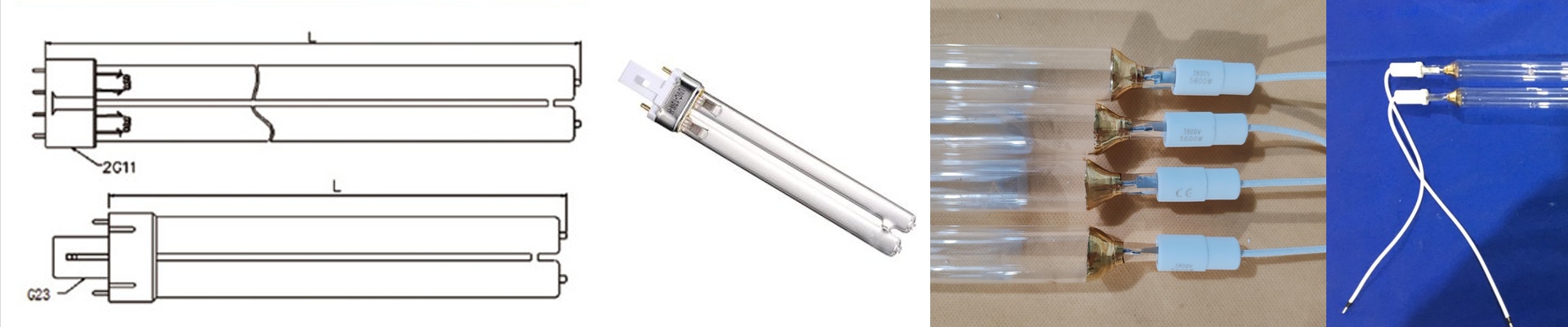


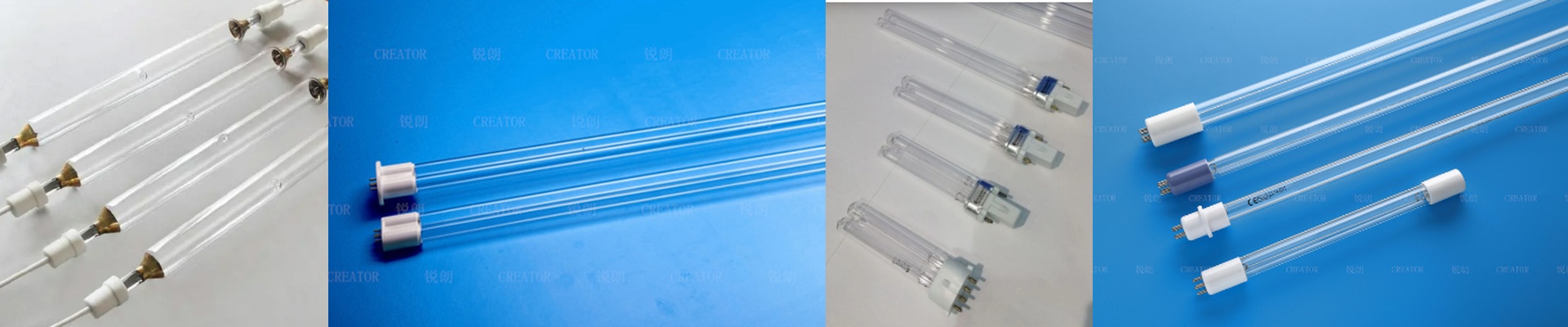

Out on the floor, UV performance doesn’t live in marketing copy. It lives in repeatable spectral output and uptime. When the lamp lags, batch consistency goes sideways, rework piles up, and your cost per cured unit starts climbing. What actually matters under the hood We build these UV lamps around controlled wavelength and stable irradiance. For standard UV-A work, the main line is 365nm, with optional 385nm and 405nm profiles to match specific photoinitiator absorption. Peak irradiance is specified at the working distance your process actually uses, because cross-linking is driven by energy density (mJ/cm²). Power density is matched to lamp length and reflector geometry so the entire arc length hits uniform intensity—no hot spots. We use high-pressure mercury vapor lamps for stable output, and the reflector gets dichroic coatings to shape the spectral distribution and cut wasted heat. Ozone-free operation comes from special quartz envelopes and coatings, which protect the substrate and keep operators comfortable. Why this works in real production You’re balancing price with quality across the supply chain. We keep costs in line by handling quartz processing, arc tube assembly, and reflector finishing in-house, then pass those savings into the lamp price without relaxing spectral tolerances. In practice, cycle times move faster because the lamp hits target irradiance quickly, and replacement costs drop because output degradation is managed. Units routinely run 5,000+ hours with less than 5% drop. That means lower energy spend, fewer spares on the shelf, and throughput that stays steady. The details that bite you if you ignore them Match the lamp to the driver. The ballast and ignitor have to line up with lamp voltage, arc length, and warm-up behavior; mismatched drivers chew through electrodes and make irradiance unstable. Double-check mounting dimensions and reflector focal distance for your fixture. And remember: UV intensity falls off with the square of distance, so hold tolerances tight—small misalignment changes the dose at the substrate, and that shows up in the work.