Getting Your Brake Pad Curing Right
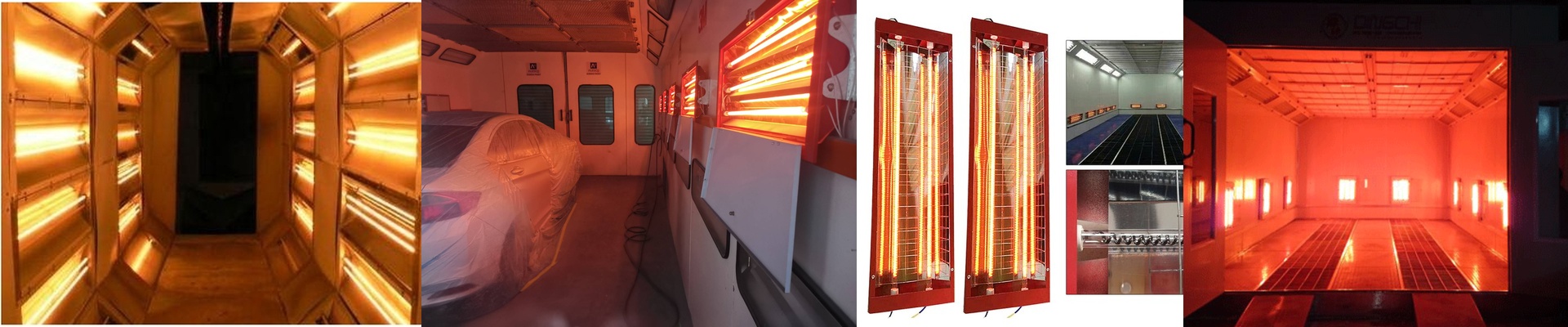
Here is the problem: a lot of engineers treat ceramic and semi-metallic materials like they’re the same thing. They aren’t. They soak up heat differently. If you just throw a generic IR lamp at the problem, you’re going to end up with a coating that’s under-cured or, worse, a substrate that’s completely scorched. The trick is matching the IR wavelength to exactly how that specific material absorbs heat.
Picking the right material
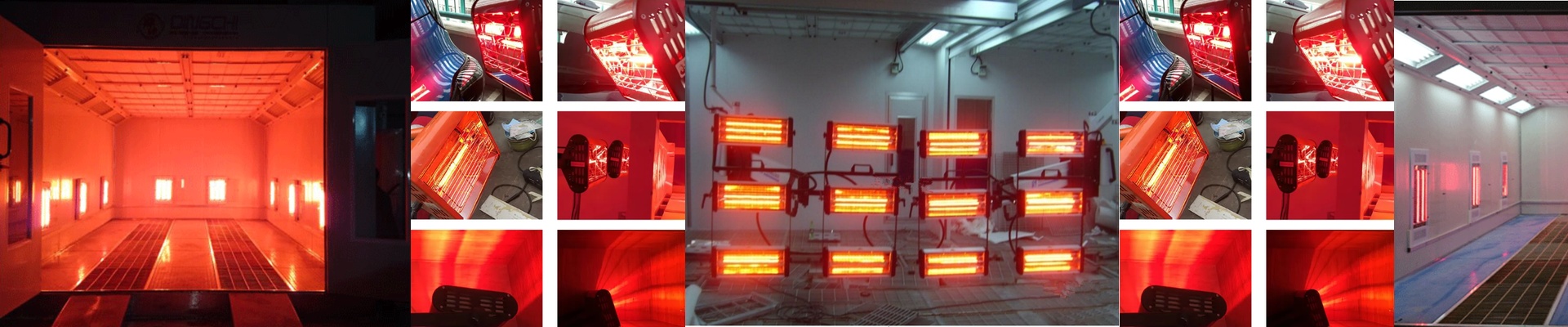
Ceramic pads tend to bounce a lot of energy back. Semi-metallics? They grab heat fast because of the metal content, but they’re prone to hot spots if you push too hard. To fix this, we use shortwave IR when we need the surface to cure fast, and medium-wave when we need the heat to actually sink deep into the coating. And please, don’t just crank up the wattage to solve a curing issue. That’s a recipe for “skinning”—where the top layer hardens into a shell and traps all the solvents underneath. It’s a mess. We tune the spectral output so the heat goes all the way through.
Dealing with the heat
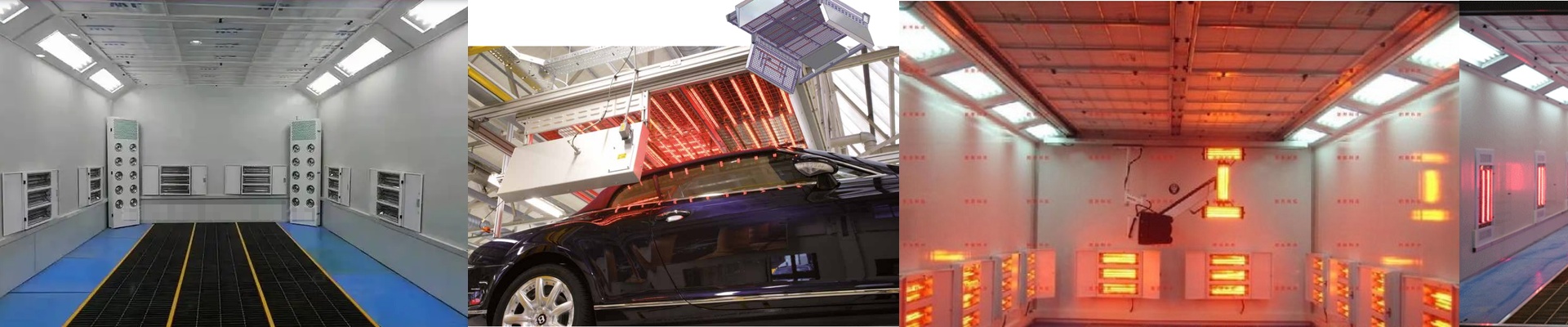
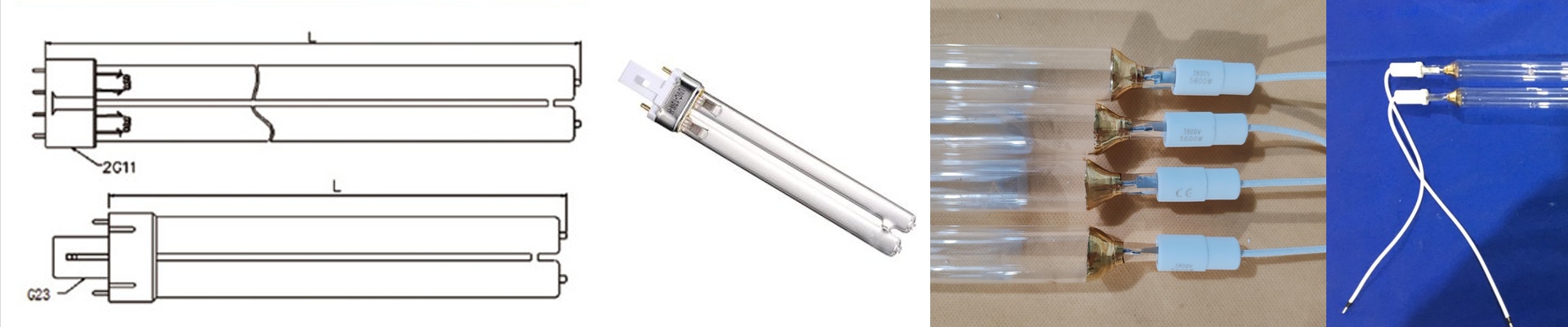
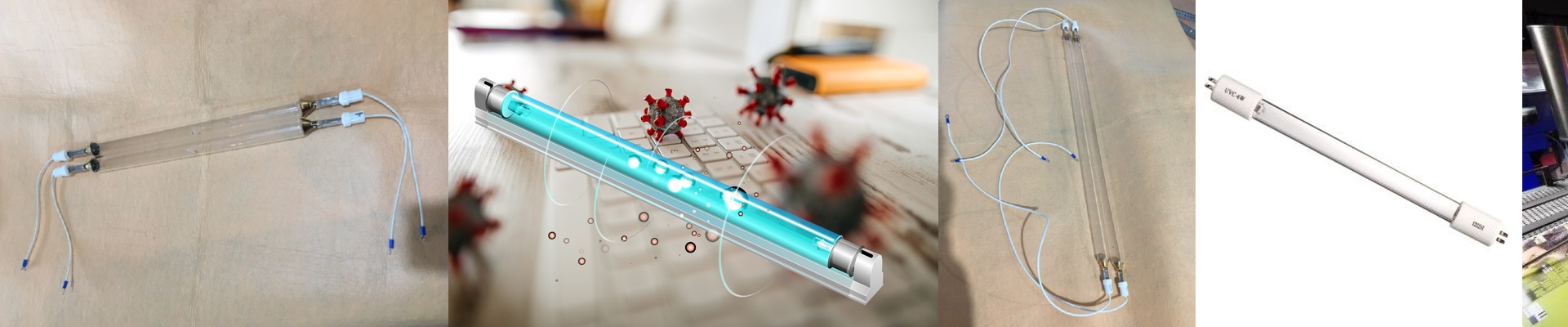
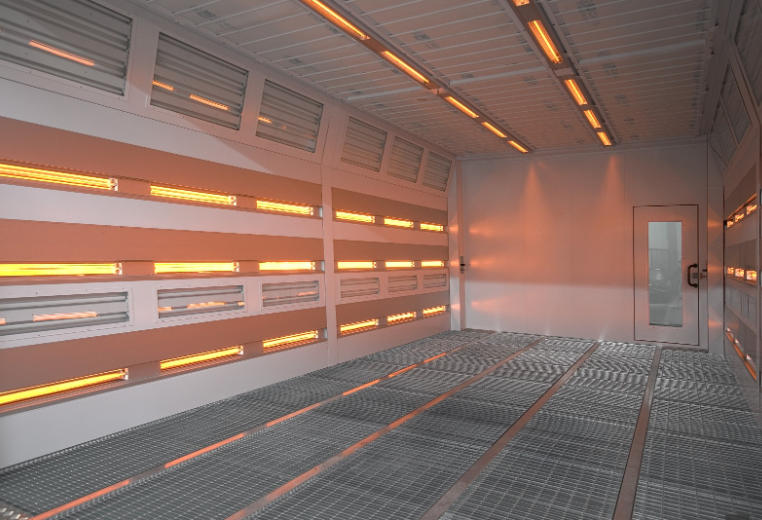
High-wattage quartz tubes are great for keeping the line moving fast. But there’s a catch. When you pack high-output lamps into a small space, your conveyor housing takes a beating. If you don’t get your cooling fans and ventilation sorted, the heat soak will eventually warp your reflectors. It’s a trade-off you have to plan for.
Making it work in your plant
We do drop-in replacements for existing IR arrays. Whether you’re dealing with a weird voltage on your plant’s grid or you need a custom length to cover the pad, we keep the focus on the absorption curve. We match what the lamp puts out to what the material actually takes in. It’s the only way to make sure every single batch comes out the same.