The Real Headache: Heat, Power, and Keeping Things Running
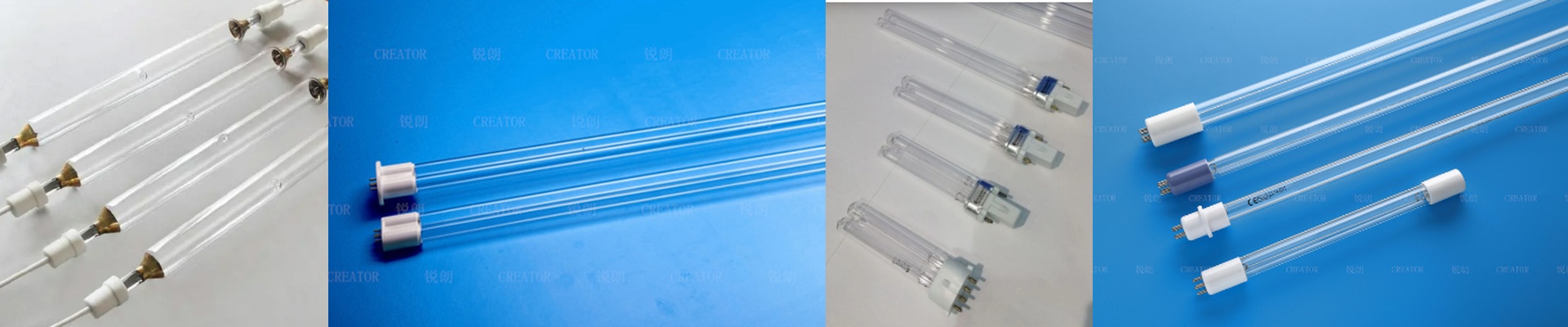
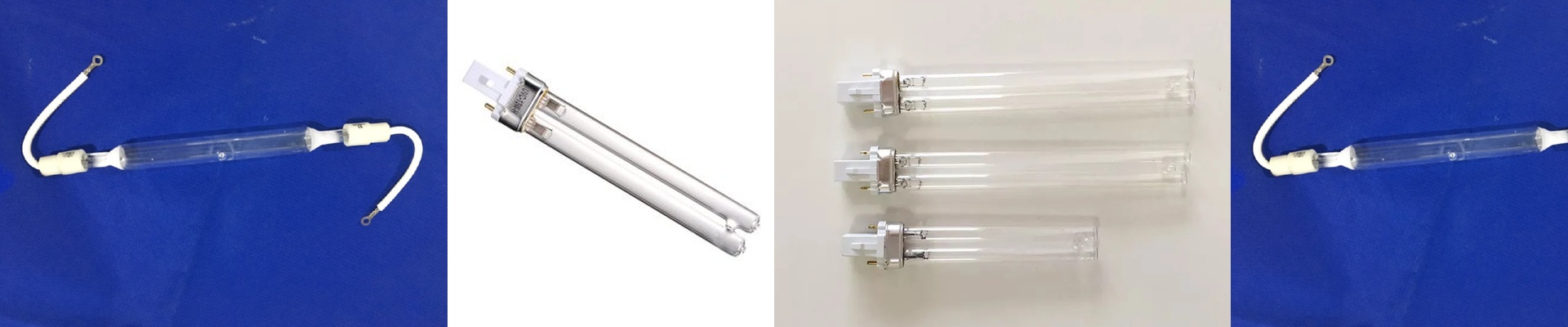
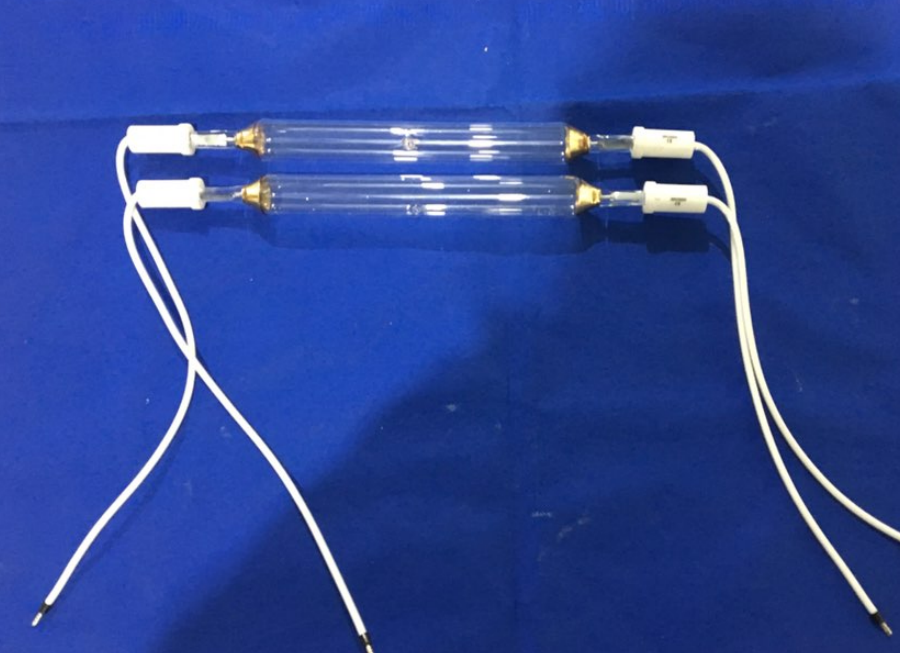
Let’s talk about the workhorse in screen printing—the UV gallium lamp. It’s the reason you get instant curing, but it comes with a hard truth: heat messes with power. It makes the lamp unstable and shortens its life. We built these around that reality. You need 400V and 2500W to get the kind of heat density that cures fast and deep. But that power is only reliable when the quartz tube stays in its sweet spot thermally. If the cooling isn’t engineered right, the power drifts, the arc wavers, and the lamp dies young.
Cooling isn’t an extra—it’s the heartbeat
We set the lamp at 400V to pack serious power into a small footprint—think a 300mm tube. That concentration creates a wall of heat right at the arc, and it has to be moved, fast. Our cooling is built to keep the junction temperature steady, so output stays consistent from startup to idle. When the tube runs too hot, resistance changes, voltage control gets shaky, and the power supply starts hunting for the right setpoint. On the floor, that shows up as uneven cure and a lamp you can’t count on.
The choices that actually handle the heat
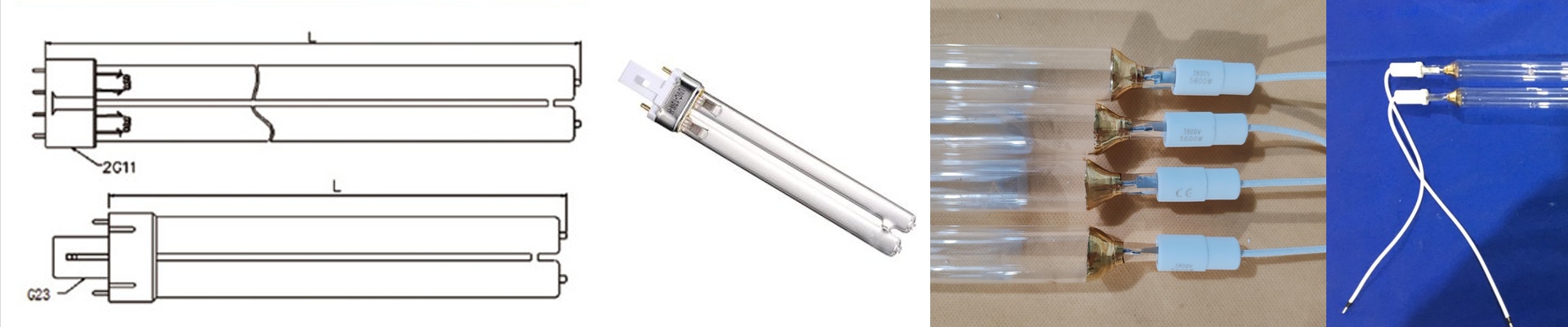
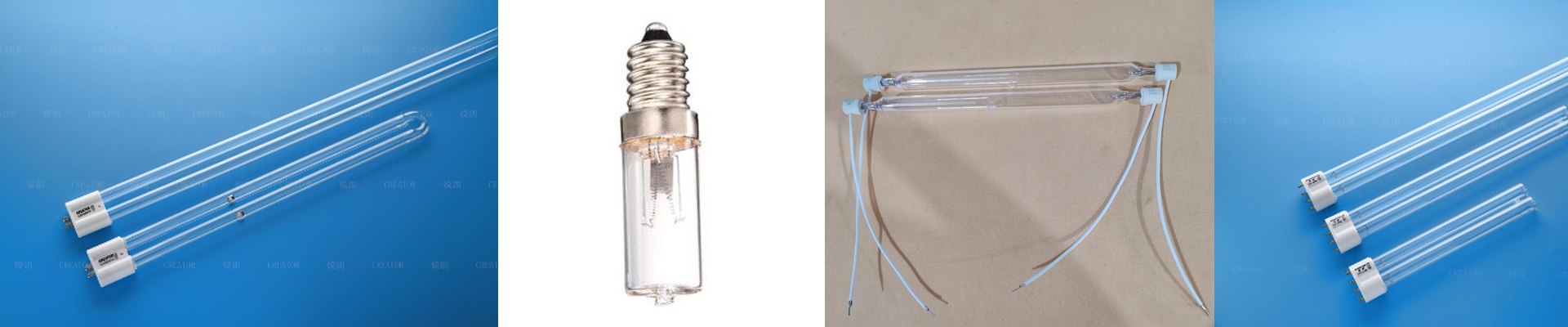
We use a quartz body because it can take high temperatures and still let UV through cleanly. Gallium doping hits the exact spectral band that polymers absorb, so you cure efficiently without wasting energy as broad-spectrum heat. And the R7s connector? It’s practical, not flashy. It gives solid contact and repeatable alignment, which cuts down on hot spots and connection resistance. A sloppy connection leads to arcing, localized heating, and early failure. The lamp is designed as a drop-in replacement, but it still needs a cooling system that matches the heat load. That part is non-negotiable.
What this means on the shop floor
On the screen printing line, this setup gives you stable power—so cure speed and ink adhesion stay consistent. The trade-off is honest: packing 2500W into a 300mm envelope makes a lot of heat. Your machine’s cooling has to be sized for it, and it has to keep the area around the lamp controlled. If the cooling is undersized, power drift creeps in and the lamp takes a beating. Match the cooling to the lamp, and you get output you can trust—again and again—with longer intervals between service.