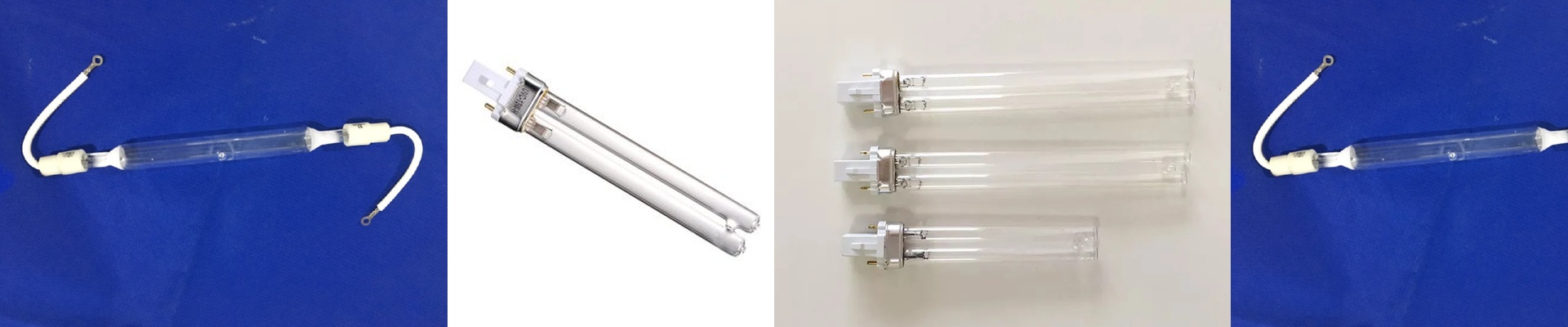
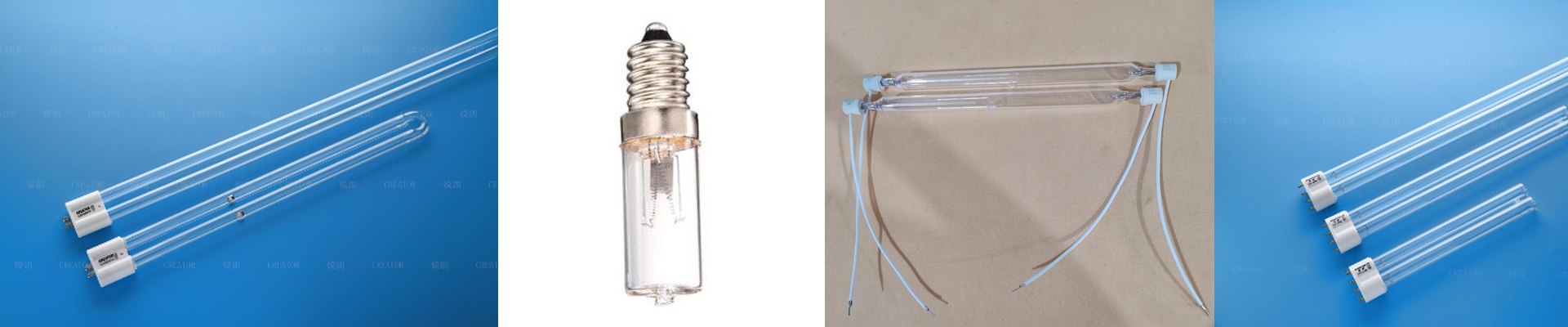
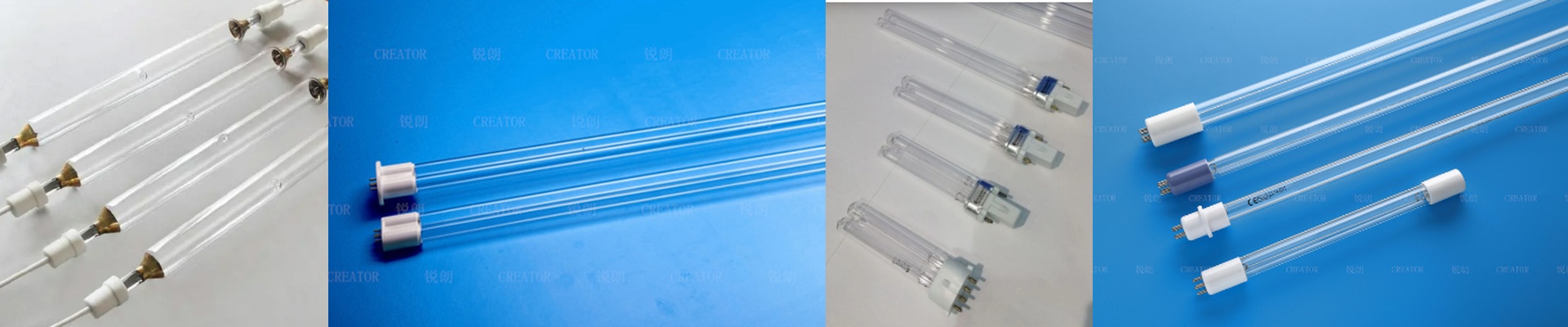
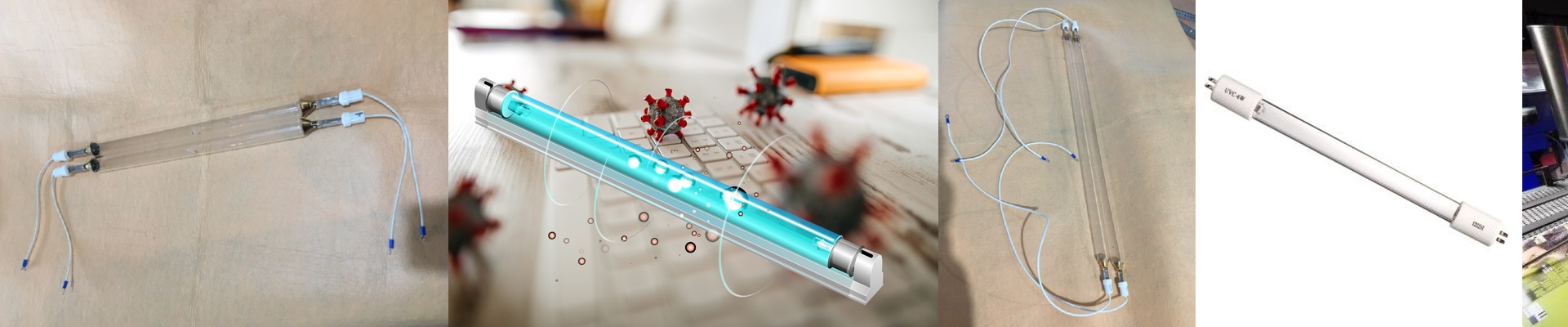
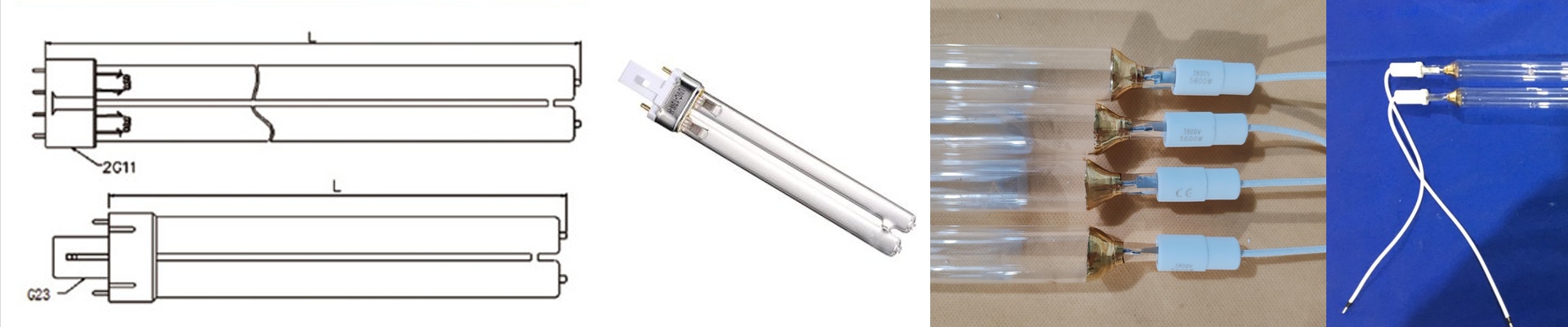
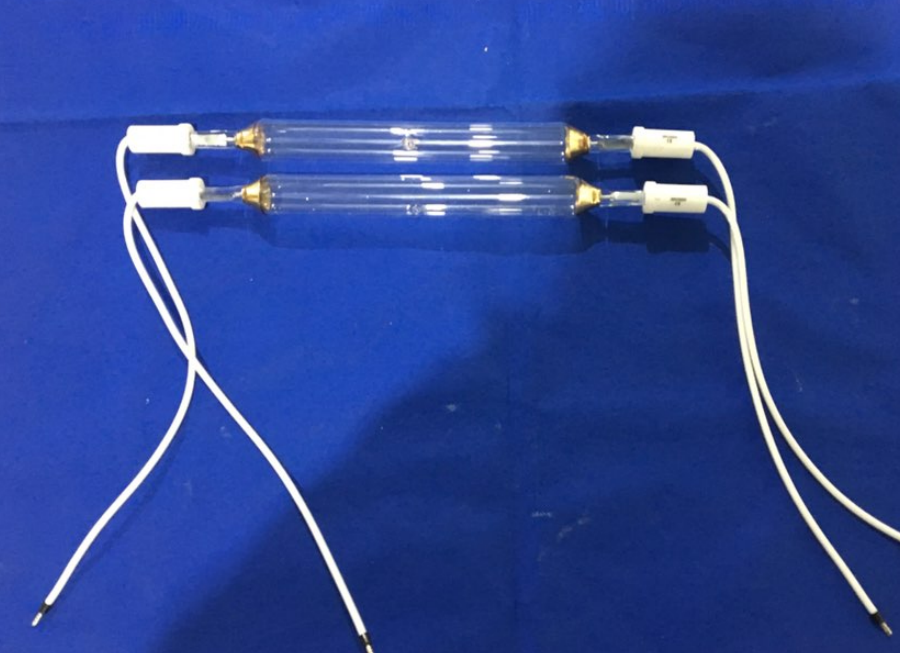
On the floor, uptime is measured in minutes, not hours. Running out of UV lamps isn’t a “risk” — it’s a line stop. We supply UV lamps for screen and flexo systems, and we built this aging solution the way the schedule demands: predictable output, predictable lamp life, and supply that keeps up with the workload. What matters, technically We run a high-pressure mercury vapor lamp engineered for plastic aging and curing, with a dominant spectral line at 365nm and stable output across the UVA band. Peak irradiance at the workspace is held steady by a reflector geometry and a dichroic coating optimized for high reflectance at 365nm, with controlled infrared rejection. Set power density and lamp-to-substrate distance so the delivered energy density (mJ/cm²) repeats within tight tolerances. That’s what gives you consistent cross-linking and accelerated aging without overheating thin parts. Output stability is monitored at <3% drift over an 8-hour shift, and the arc gap geometry supports rapid start with no hot-restrike delays. Why it holds up in production High-throughput printing lines can’t absorb long lamp changeovers or cure that drifts. The 365nm profile keeps photon flux consistent, shift after shift, so cure speed and aging severity stay repeatable — fewer scrap and rework tickets. Pair that with a supply program sized to your printer fleet, and you get fast replenishment that supports just-in-time scheduling, without tying up working capital in big safety stocks. The details that bite you if you skip them Installation has to be exact. Irradiance changes with the inverse square of distance, and a few millimeters of misalignment can throw off delivered dose. Check dimensional compatibility with your fixture and reflector, and make sure your power supply matches the lamp’s ignition and operating requirements. For stable output, keep the lamp within its rated warm-up window and keep reflectors clean. Dust and oxidation cut output faster than the lamp’s own end-of-life.