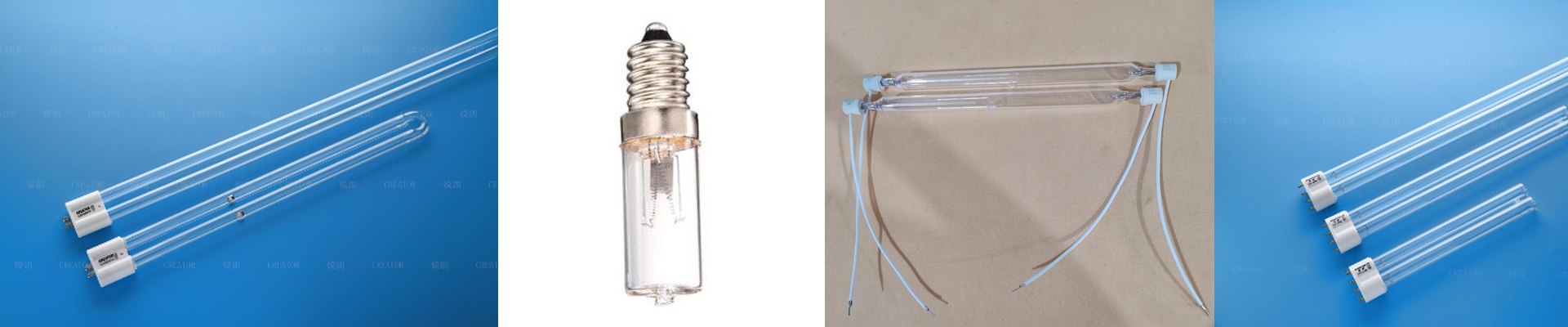
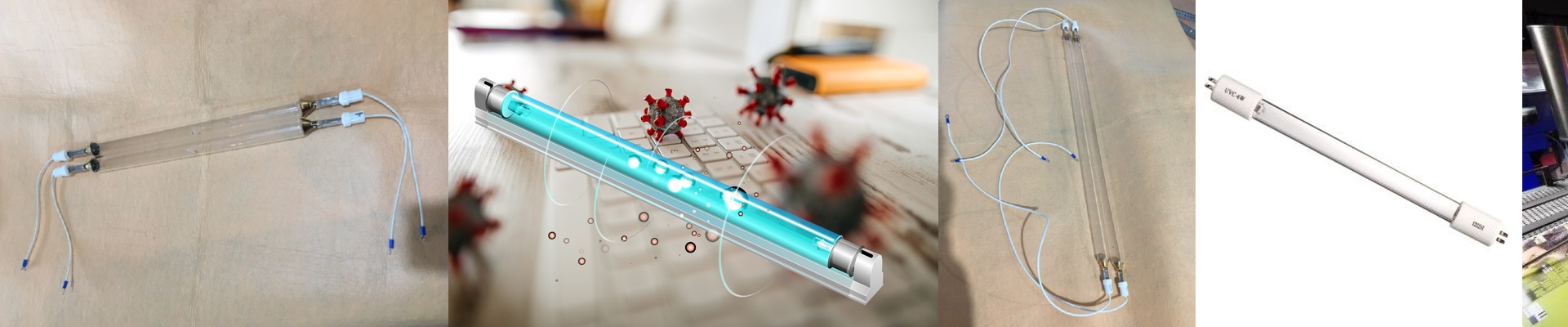
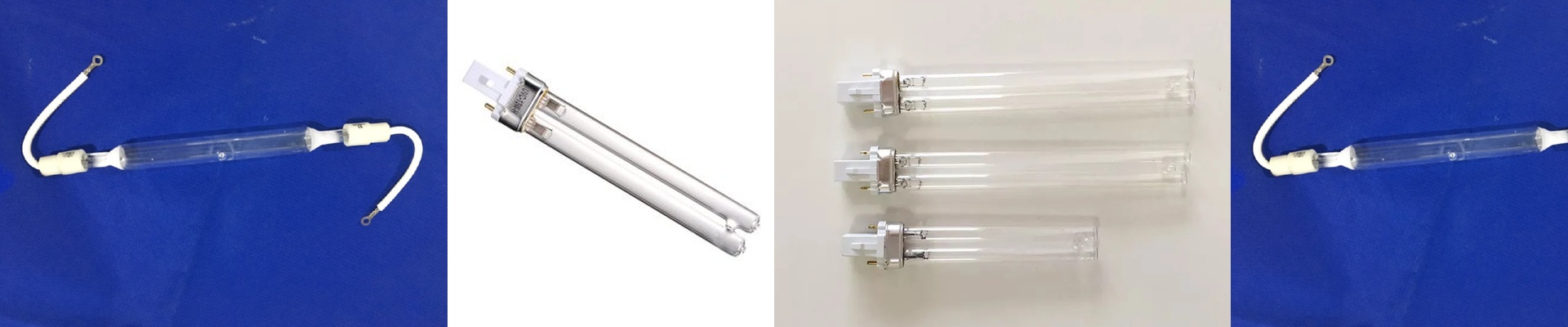
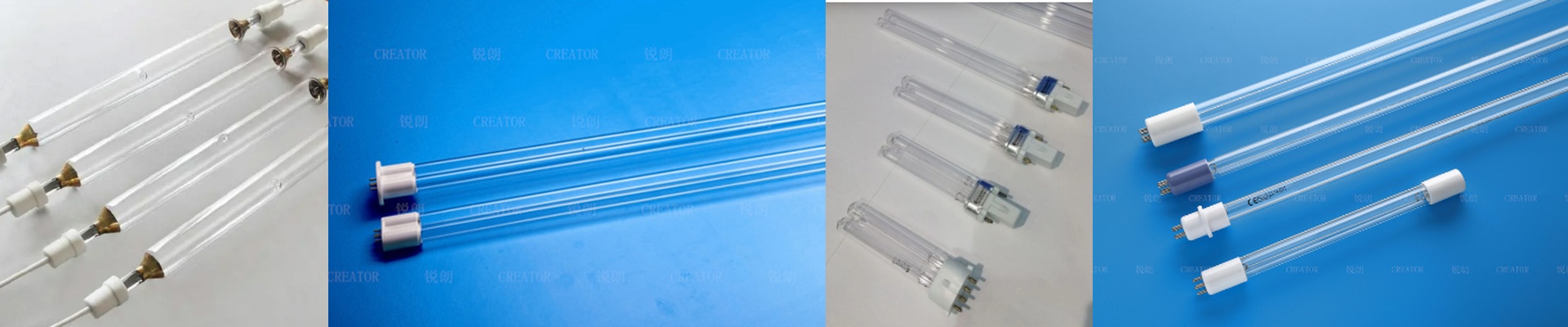
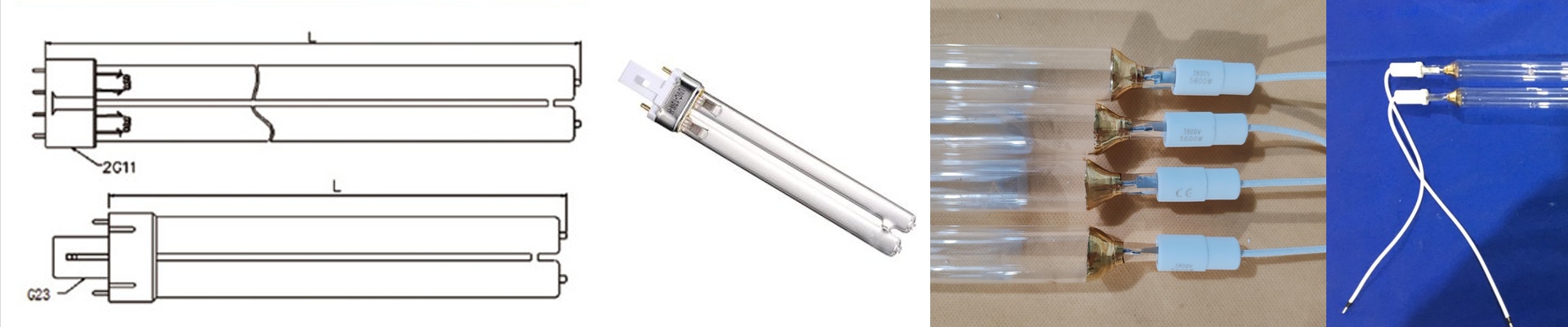
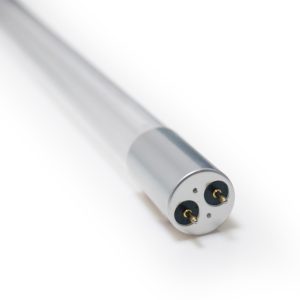
In a small-to-medium shop, you don’t have the luxury of margins. One uneven cure, one coating that drags its feet, and you’re burning time, energy, and trust—one rejected sheet at a time. We built our UV lamps for that reality, because accelerated durability testing shouldn’t require a lab-grade setup. It should just work, with spectral control you can count on. What matters, technically We hold the output steady at 365 nm, right where most photoinitiators in UV coatings are tuned. Peak irradiance hits 1200 mW/cm² at the substrate plane, so you get an instant surface set without sacrificing depth—enough penetration to drive full cross-linking. Energy density stays repeatable within ±3% across the exposure window, so your mJ/cm² numbers don’t wander from run to run. The reflector uses a dichroic coating to push UV forward and keep infrared waste from heating up the substrate. Rated life is 5,000 hours, with output drop under 5%. And the arc stays stable even when you’re cycling the lamp on and off all day. Why it holds up on the floor This lamp was built for real workflows. It comes up to full output in seconds, so you can run short test strips without waiting around. The cure is immediate—no waiting for a dry-to-touch moment—and the penetration is enough to finish the cross-linking even on pigmented coatings. That means faster cycles, fewer scrapped batches, and less energy burned per cured meter. Because the energy density is repeatable, you can tie lamp settings directly to abrasion and adhesion results, turning trial-and-error into a controlled process. A few practical notes Match the lamp to your reflector geometry and ballast. A mismatched reflector will drop irradiance and chew up lamp life. Check substrate reflectance and spacing, too—peak irradiance falls off with the inverse square of distance. Dense substrates will see a small temperature rise. Manage it with airflow or a duty cycle. For ozone-free operation, we use a quartz envelope with a specific cut-off, but ventilation is still a must in tight enclosures.