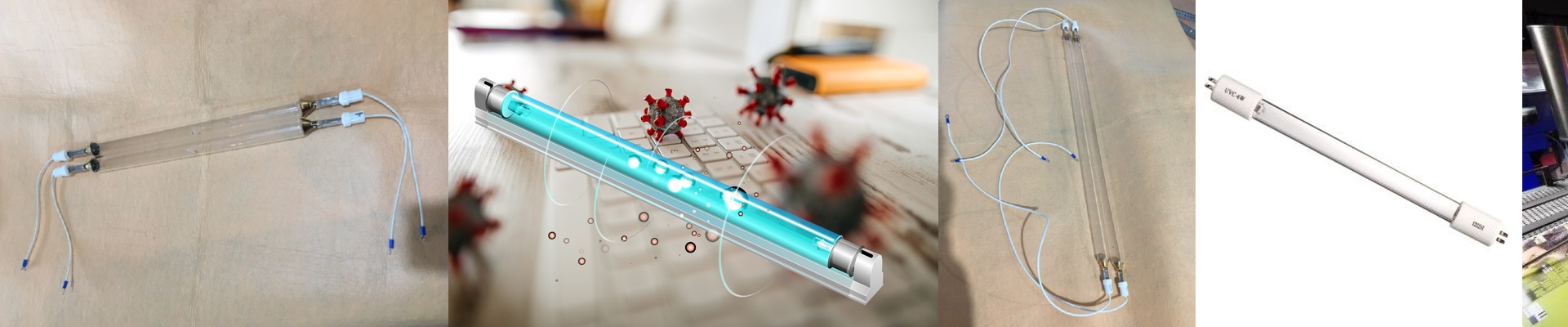
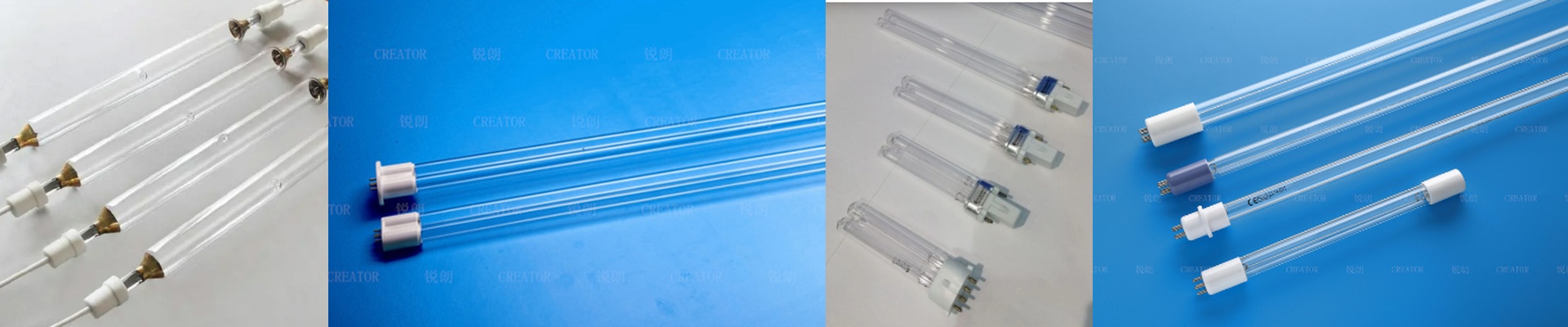
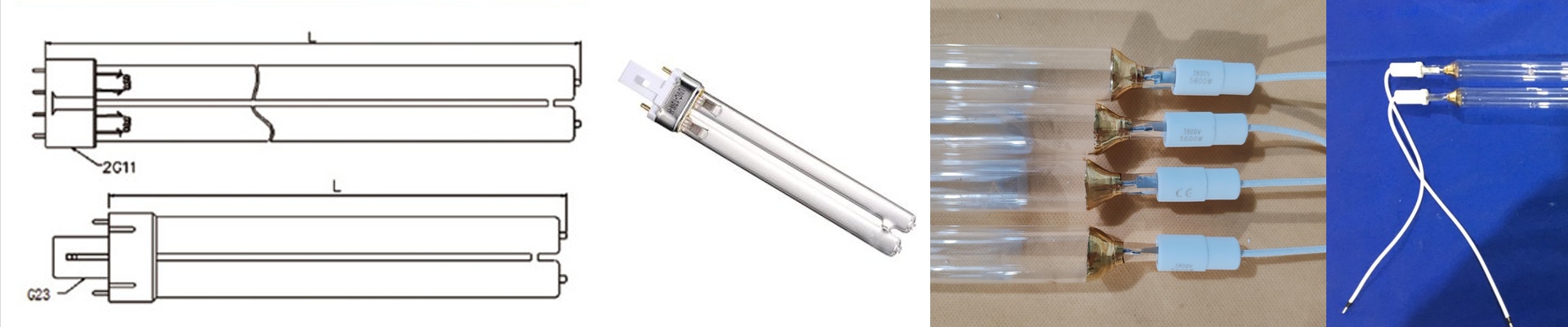
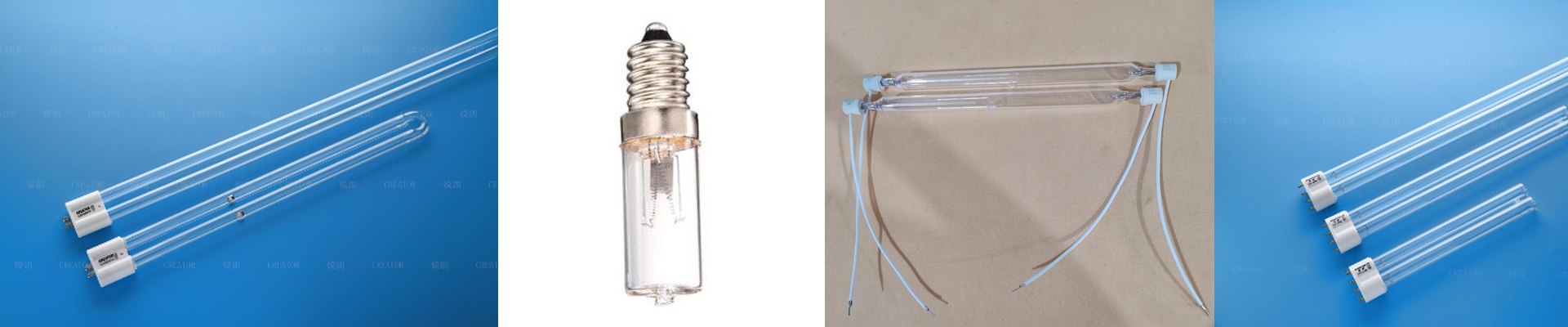
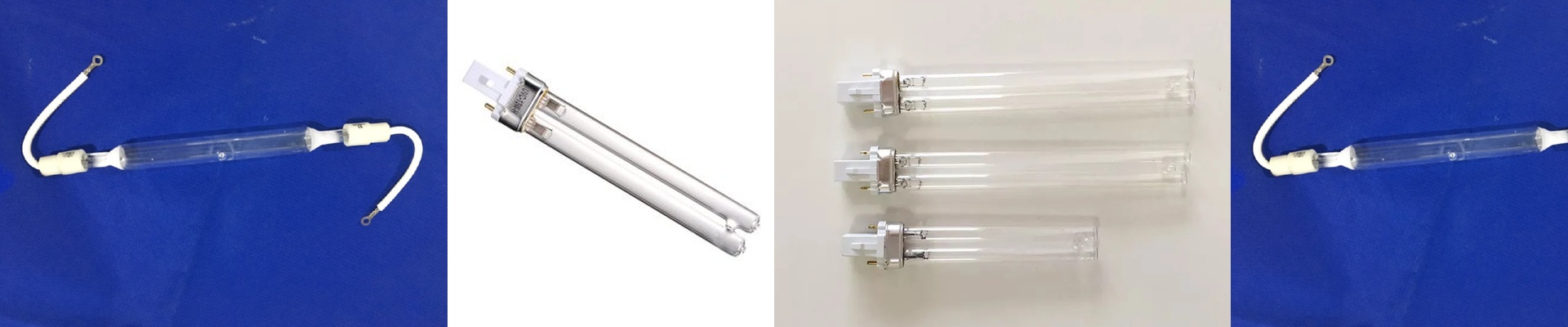
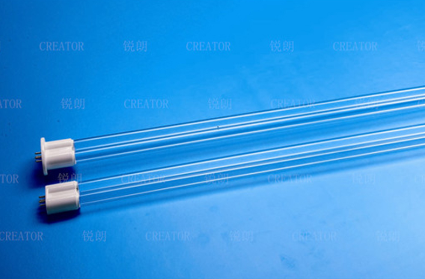
On the press floor, the scheduler is hunting for changeovers in minutes, not hours. Meanwhile, quality is tracking cure consistency from the start of the roll to the very end. When UV output drifts, color shifts follow, and scrap starts piling up. That’s where our dimmable mercury UV lamp system earns its keep. It gives you repeatable control over spectral output, without forcing you to live with the compromises of a fixed-power setup. What actually matters under the hood We’re running a high-pressure mercury vapor lamp with a stable arc. The output is broad spectrum, centered on 365nm and 385nm—right where the photoinitiators in UV offset, flexo, and screen inks need it. Peak irradiance stays consistent across the curing window, so the energy density hitting the substrate doesn’t wander. Dimming here isn’t just about brightness. It’s a controlled reduction of arc power that keeps the spectral balance intact. Expect stable output after 2,000 hours, and a full lamp life of 5,000+ hours. Within rated thermal conditions, irradiance drops less than 5%. The reflector uses a dichroic coating to push more usable UV onto the web and keep IR heating down. Why it plays well in printing The payoff is practical, day-to-day performance. Match the cure to the ink and the press speed, and you cut down on over-curing—the kind that hardens the surface and gives you adhesion headaches. You also reduce under-curing, which leads to blocking and poor scratch resistance. Dimming also trims energy use on short runs and lowers the cooling load. That stabilizes lamp temperature and stretches service intervals. Fewer lamp changes mean less downtime, and steady spectral output keeps density and finish consistent shift after shift. A few shop-floor details to keep straight The system is sensitive to thermal management. Stick to the specified airflow and keep the reflector in its temperature window. Overheating accelerates output decay, while excessive cooling can shorten ignition life. Before installation, confirm fixture compatibility and lead polarity. Dimming performs best when it’s synchronized with press speed and ink chemistry. Set up your profiles once, then run them again and again.