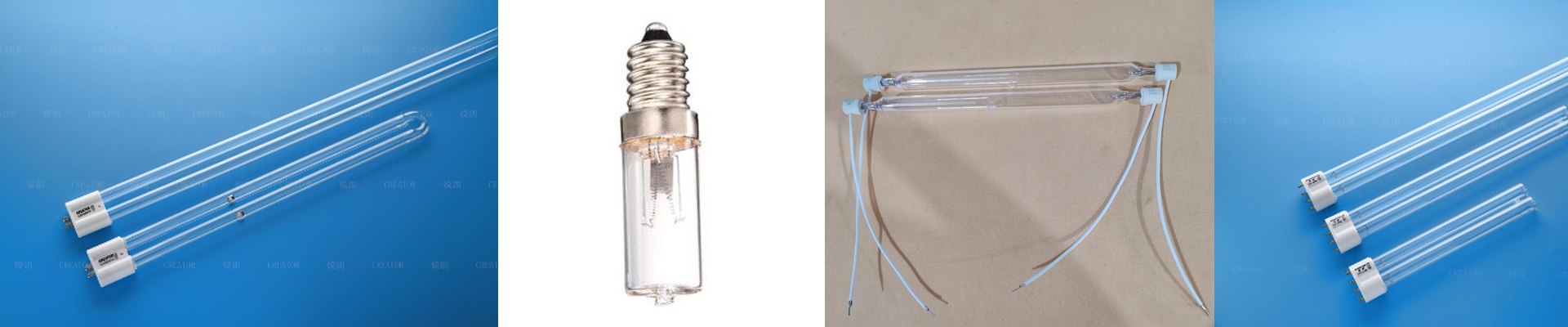
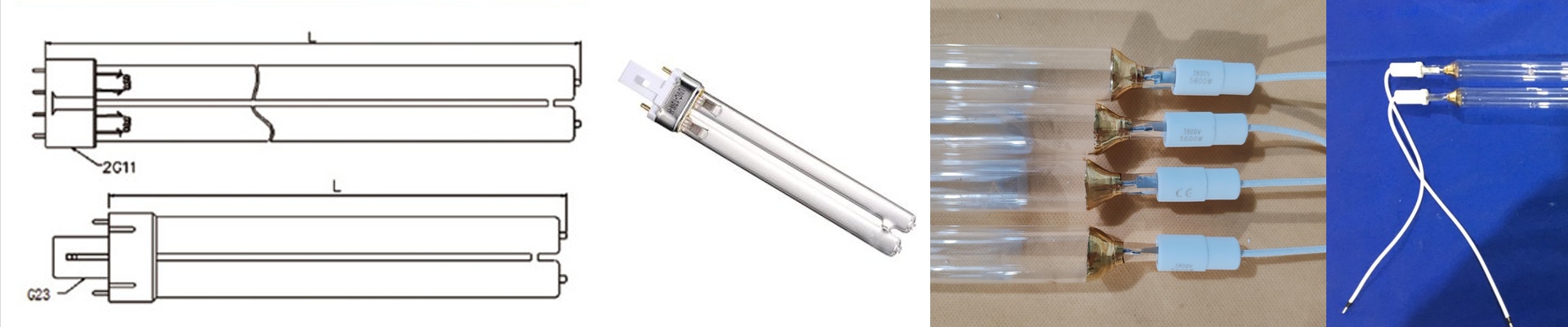
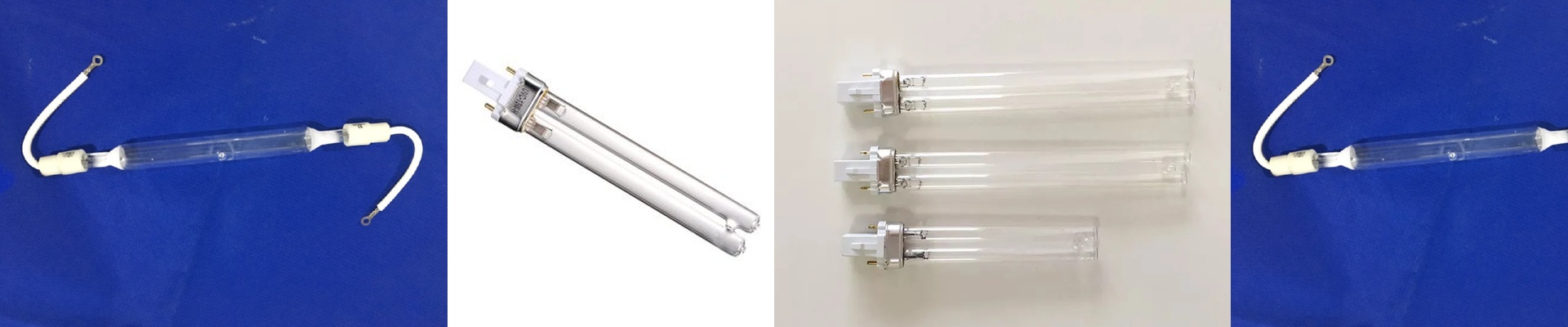
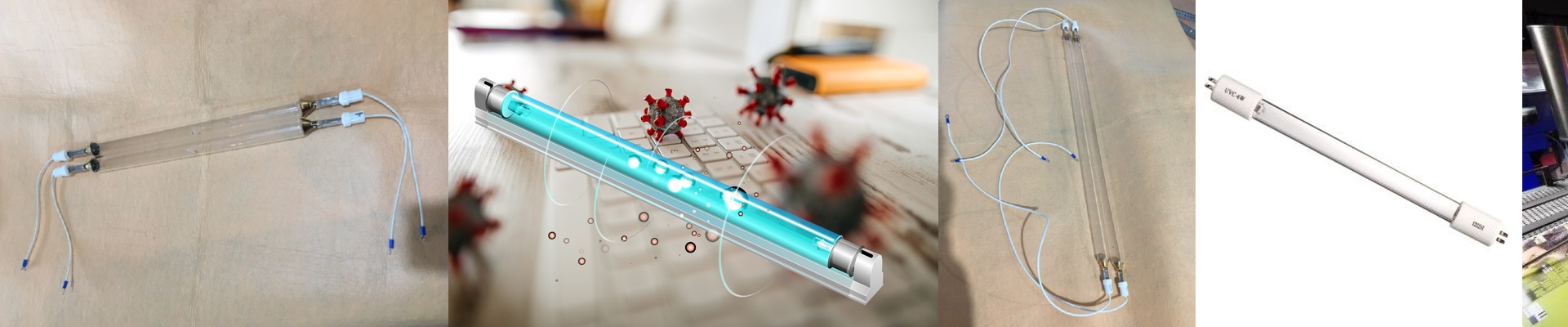
UV Mercury vs. Metal Halide Lamps: The Real-World Difference for Industrial Curing
When you’re building an industrial UV curing system, the heart of the matter is what’s happening inside that arc tube. Mercury lamps and metal halide lamps aren’t just two options on a parts list—they’re built for totally different kinds of work. For our wholesale partners who are building their own brand through our OEM setup, knowing this difference is what separates a system that just works from one that’s always fighting its own design.
Power and Light: What Each Lamp Actually Brings to the Table
Mercury lamps give you a classic, solid spectrum with strong punches in the UVC (254nm) and UVB range. That’s why they’re the go-to workhorse for general curing—reliable, consistent, and perfect for standard inks and coatings. Metal halide lamps are a different beast. We add metal salts into the mercury mix, and that changes the whole output profile. The spectrum fills in the gaps, giving you intense UVA (365nm) and a good amount of visible light. And that power doesn’t come free. Metal halide lamps usually run at higher wattages—think 2500W and up—because that’s what it takes to drive those specific curing reactions. They also need higher voltage, around 400V, to keep the arc stable across the doped fill. It’s a trade-off: if you want that targeted spectral energy, you’ve got to supply the electrical muscle to back it up.
The Physical Reality: Arc Tubes, Heat, and Connections
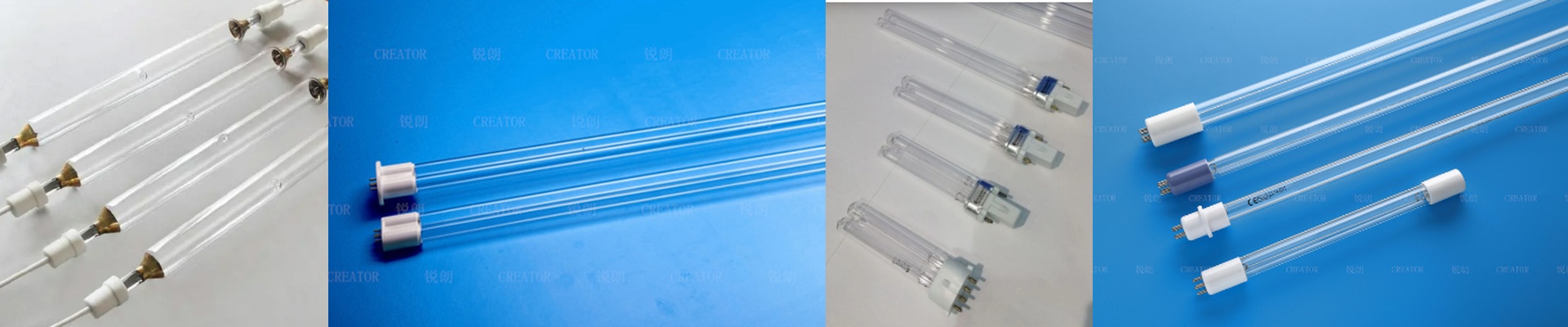
Both lamp types use a quartz arc tube, but what’s inside changes how the whole thing behaves. Quartz has to handle serious thermal shock, no matter what. With metal halide, those internal salts push the design harder—we have to make the arc tube tougher to prevent crystallization and keep the spectrum steady. Then there’s the hardware. We use connectors like R7s or Sk15 for a reason. They’re built to handle high current, and they give you a connection that’s secure and repeatable. That means the lamp sits right in the reflector, with minimal resistance at the contacts—no hot spots, no shortened life, just solid performance.
Matching the Lamp to the Job (and Your OEM Build)
Mercury lamps are your safe bet when you need general-purpose curing and a broad UV spectrum does the job. Metal halide is what you choose when your formulation needs deep through-cure, or when you need to activate specific photo-initiators in the UVA band. In an OEM build, we don’t just pick a lamp—we match it to your process. If your line runs standard coatings, we go with mercury. If your chemistry is tuned for deep penetration, we spec metal halide. Just know this: metal halide gives you targeted spectral power, but it runs hotter and demands a cooling system that can handle the heat. We bake that requirement into the design from the start, so your engineers get a drop-in solution that performs without drama.