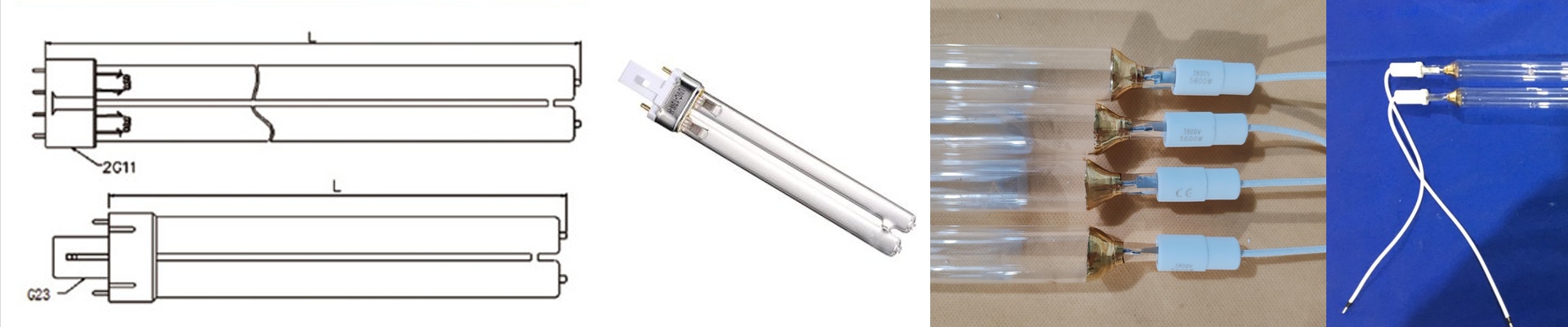
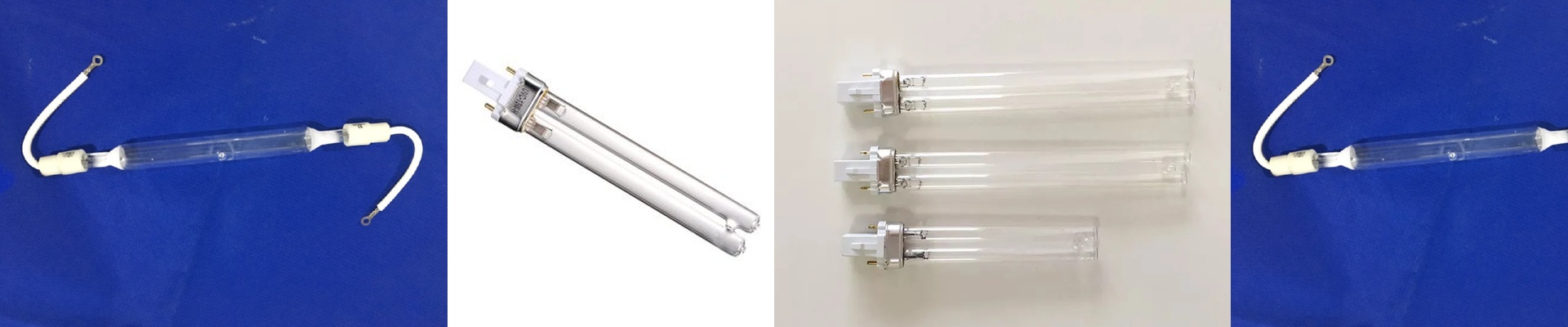
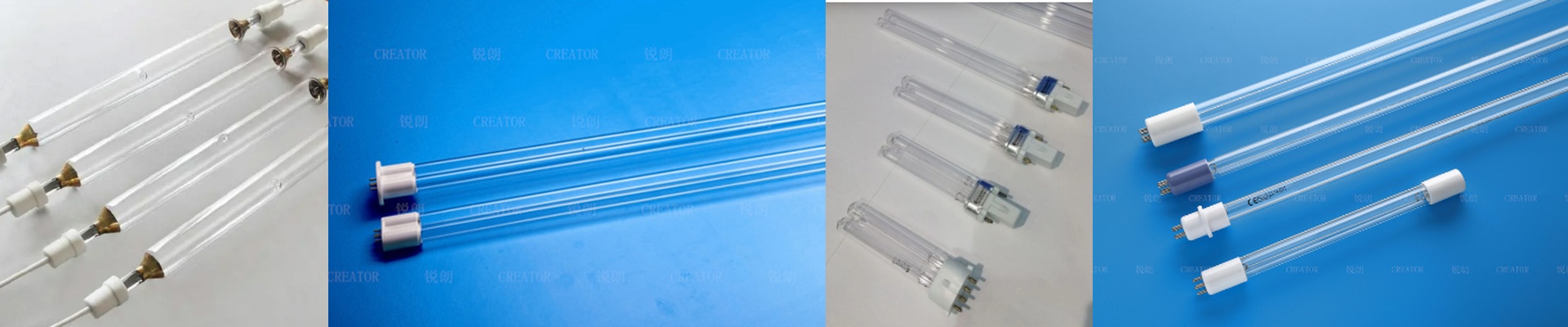
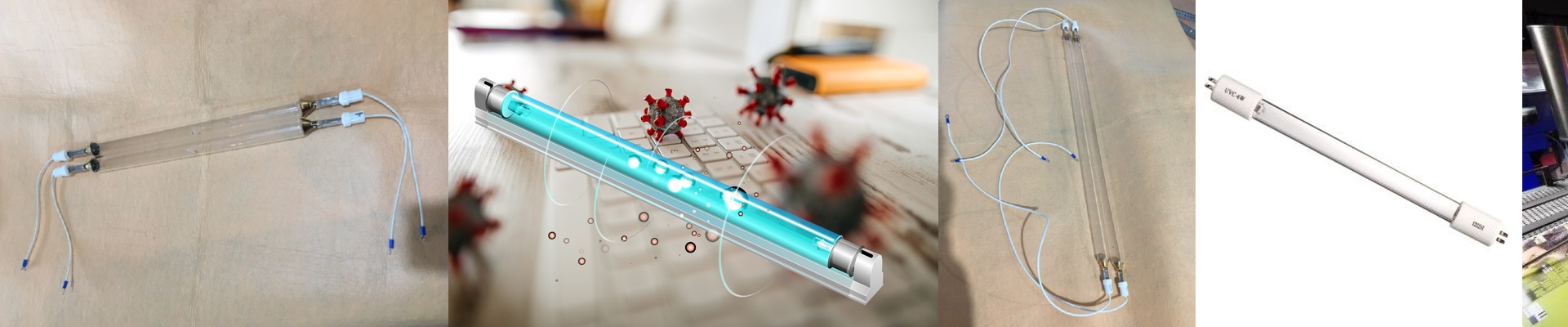
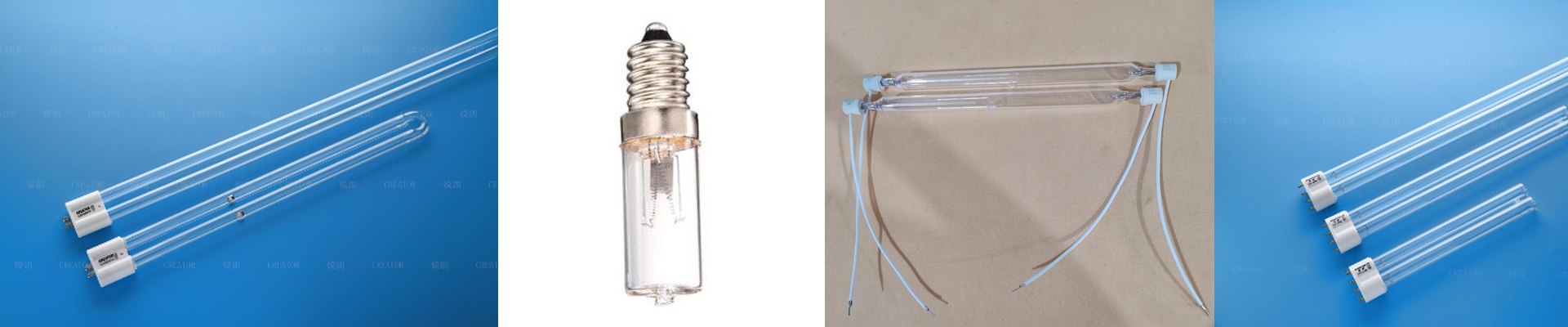
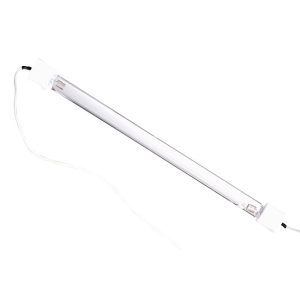
On the floor, printing metal or glass isn’t a choice—it’s a straight-up test of curing control. When the substrate won’t take the ink, you don’t just eat material cost; you lose the schedule. And nine times out of ten, the ink isn’t the problem. It’s the delivered energy. What actually matters under the hood A replacement mercury UV lamp has to put out a stable spectrum and real, measurable intensity. We target the dominant mercury lines—365nm, 395nm, and 436nm—so they line up with the photoinitiators in tough ink formulations. Peak irradiance is engineered to exceed 12 W/cm² at the arc midpoint, which means more photons and faster cross-linking. Dose gets measured in mJ/cm², not vibes. A quartz body and a high-reflectivity dichroic reflector keep the dose consistent across the web, so you don’t get the fall-off that leaves edges under-cured. Metal and glass are unforgiving. Surface energy is uneven, and you’re often laying down thicker ink films. High-intensity exposure drives deeper penetration and finishes the polymerization, so you don’t walk away with residual tack that scratches or fails solvent resistance. The payoff is adhesion that holds up—cross-hatch and tape tests pass, even on textured glass and anodized aluminum. You also get a steadier process: fewer rejects, color that stays consistent, and cycle times that keep up when the line speeds up. Here are the practical details you can’t skip. High-intensity lamps run hotter, and that tightens the tolerances on power supply, shutters, and cooling. Confirm your system voltage, ignition method, and lamp length, and make sure the reflector geometry matches the print width. You’ll get a shorter warm-up, but don’t shortchange thermal management. Running at full power without proper airflow cuts lamp life and pushes wavelength stability off target. We spec compatibility by machine model—match the arc length and terminal configuration, or the intensity simply won’t land where the ink needs it.