Stop the Drift: Getting Your Brake Pad Curing Right
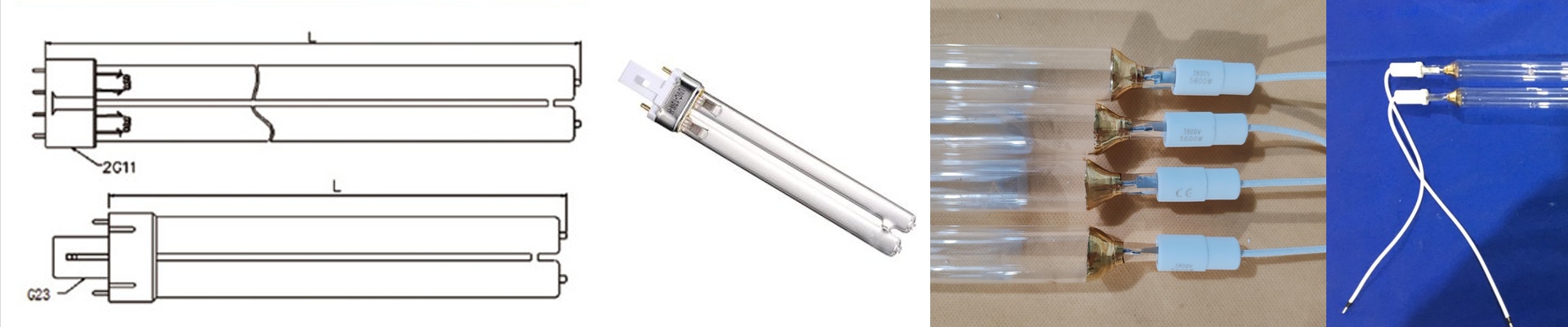
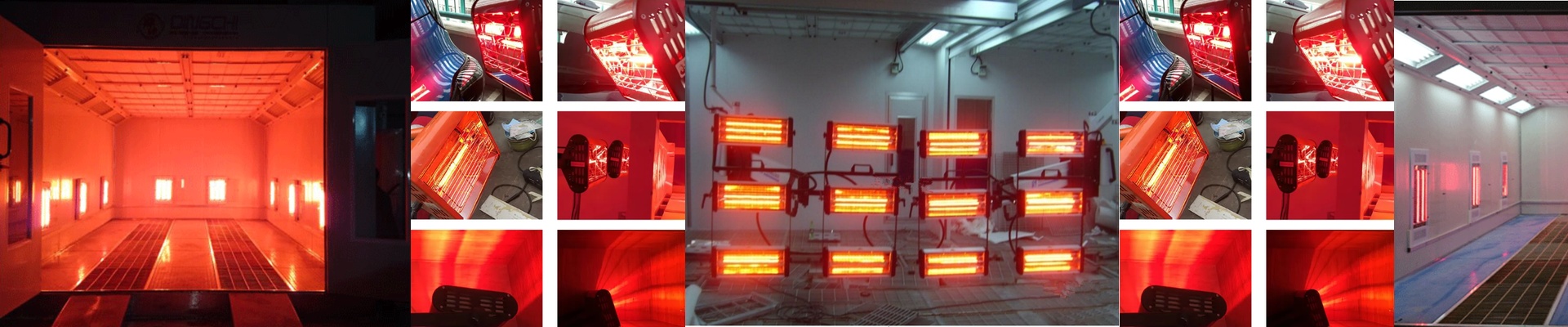
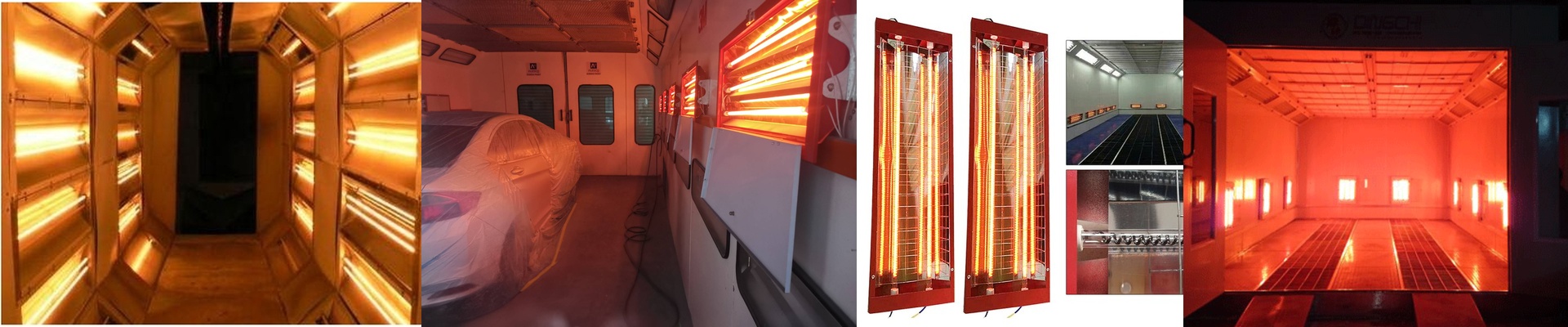
If you’re running a brake pad line 24/7, you already know the nightmare of thermal drift. One tiny dip in your infrared output and suddenly you’ve got uneven curing. That leads to structural defects in the friction material, and that’s a problem you can’t afford. We build our infrared modules to stop those power swings cold, specifically designed to survive the grit and grime of a real factory floor. Keeping the heat steady Here’s the thing about keeping power flat during a long shift: it all comes down to how your voltage and filament load play together. We stick with high-intensity shortwave lamps. But the trick is matching the wattage exactly to your conveyor speed. Why? Because it stops the lamps from cycling on and off. You want them constant-on. That’s the only way to kill the fluctuations. Just make sure your power supply is clean. If you’ve got voltage spikes, you’re just burning through filaments for no reason. Built for the long haul We don’t use flimsy materials. We use heavy-wall quartz glass so the tubes don’t bow when things get scorching. Plus, we fill the filaments with halogen. This keeps the element alive longer and lets it run hotter without the tungsten evaporating too fast. For brake pads, we often add specialized coatings to tune the wavelength. It’s the difference between just scorching the surface and actually getting the heat deep into the pad where it belongs. The reality of the setup We use standard connectors, so these modules are basically drop-in replacements. It makes maintenance fast and keeps your downtime low. But there is a trade-off. All that intense heat has to go somewhere. If your housing isn’t vented or your fans are too small, your electronics will overheat and trip. It’s frustrating, but it happens. To keep that 24-hour uptime, you’ve got to make sure your cooling system can actually handle the total kilowatt load of the array. Get the cooling right, and the rest just works.