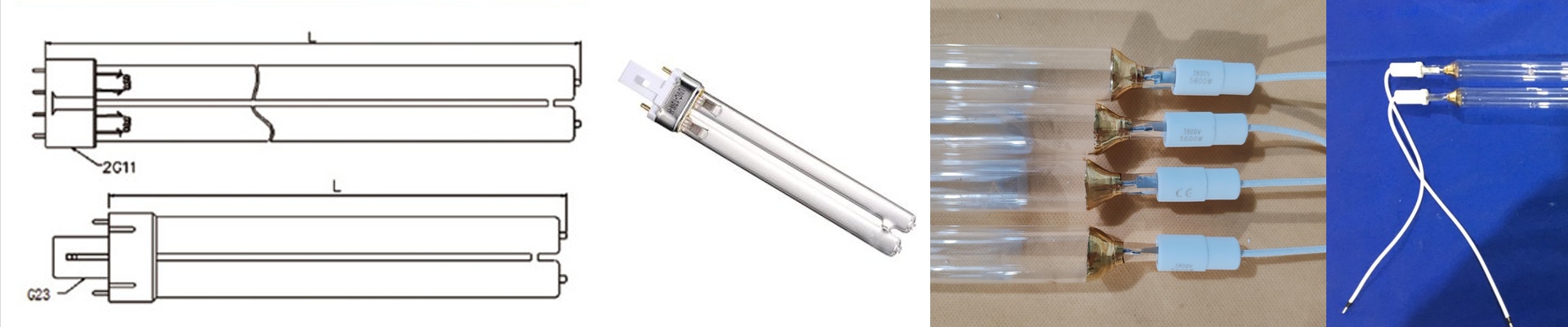
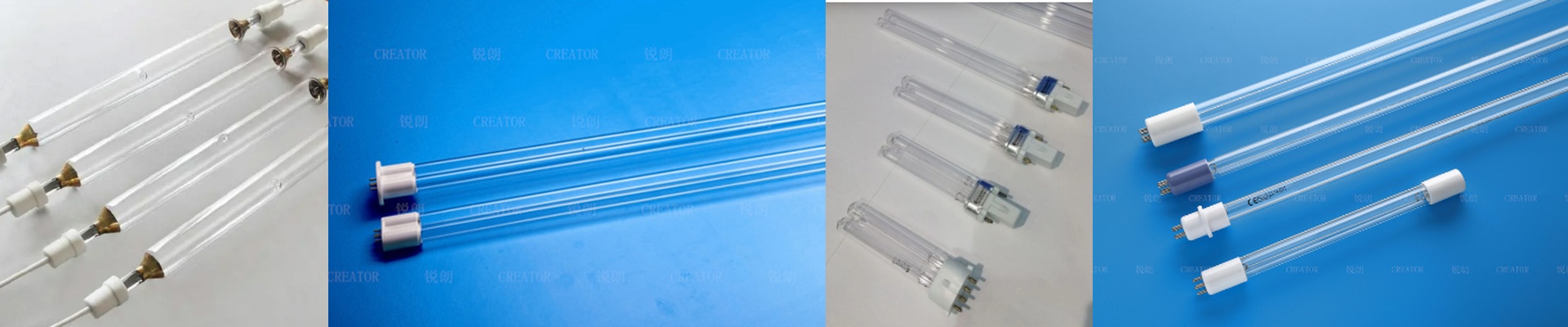
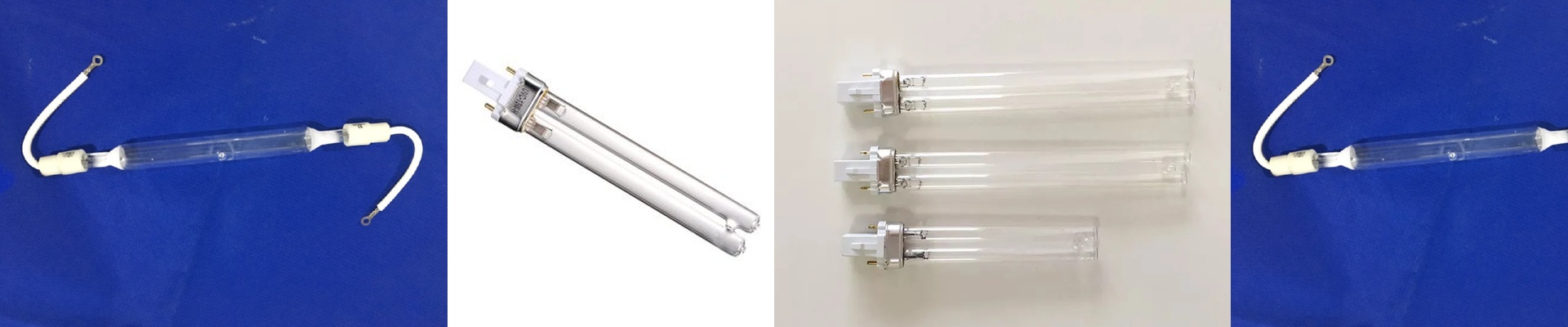
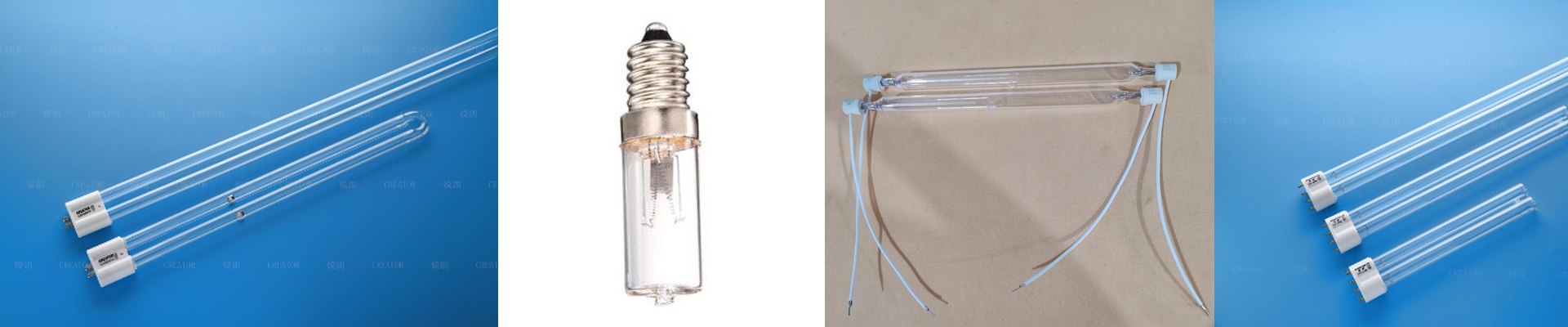
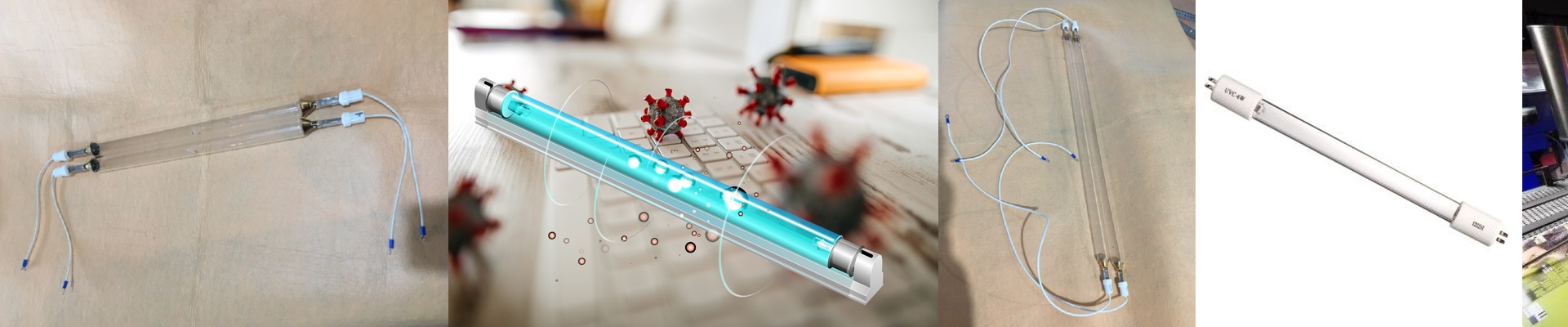
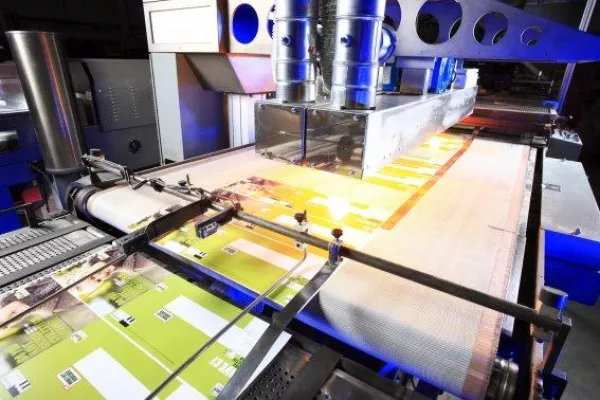
On press, downtime isn’t measured in minutes—it’s wasted sheets and missed deadlines. When a UV lamp goes down, you need a swap that brings back the right spectral output and energy density, right now. We built these handheld UV curing lamps around a modular setup with a quick-disconnect interface. Pop the lamp module in under two minutes, no tools, and you’re back to curing. What matters under the hood We spec mercury vapor lamps with stable spectral output at 365 nm for standard offset and screen inks, and 385–405 nm variants when you need deeper penetration—think thick flexo deposits and certain pigmented formulations. Peak irradiance stays above 1,200 mW/cm² at the working distance, hitting the dose needed for full cross-linking. A dichroic-coated reflector keeps heat off the substrate and keeps lamp efficiency consistent. The ozone-free quartz envelope protects both the operator and the materials. The handheld unit runs off a sealed battery pack sized for a full shift, with voltage and current regulation that prevents output sag when the duty cycle changes. Why this works on the floor The modular design is built for press-side reality: fast removal, clean alignment, and repeatable performance. You keep curing continuity across jobs, cut makeready time, and sidestep the scrap that follows under-cured ink. Offset runs clean when the 365 nm profile matches the photoinitiator absorption. For flexo and screen, the 385–405 nm options drive through-cure on thicker deposits without surface inhibition. A few shop-floor details Match the wavelength to your ink chemistry, and confirm the working distance your substrate actually needs. The battery needs disciplined charging—store it at 40–60% state of charge to minimize capacity drift over time. The quick-swap module is field-replaceable, but you still need to check reflector alignment after each swap. That keeps irradiance uniform across the cure window.