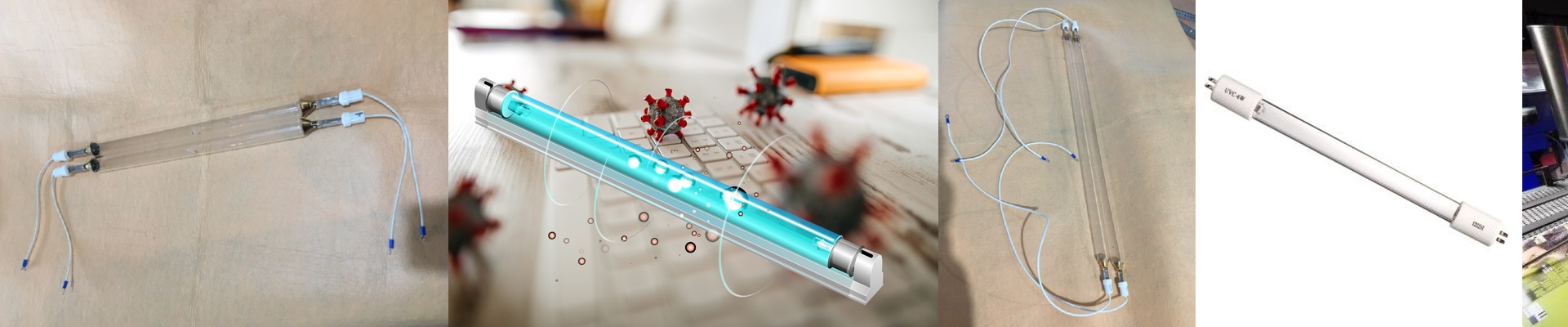
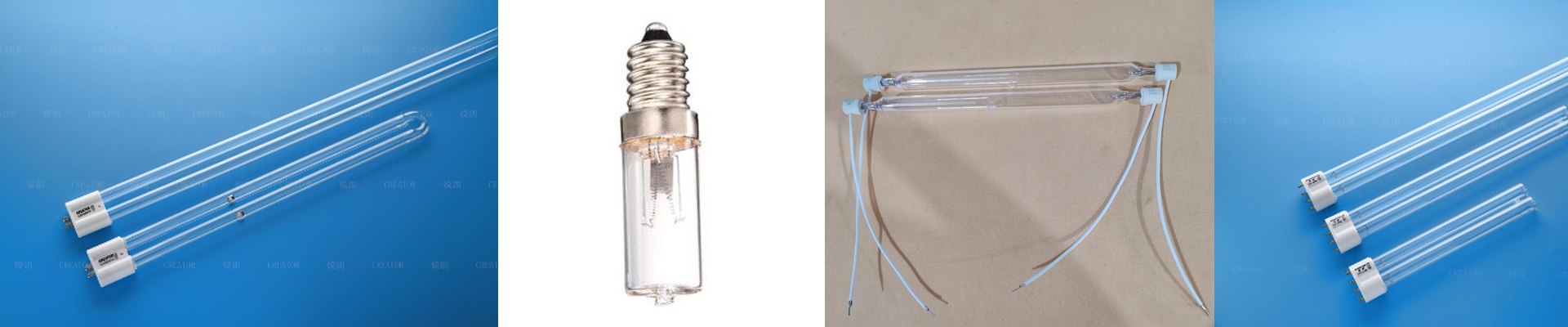
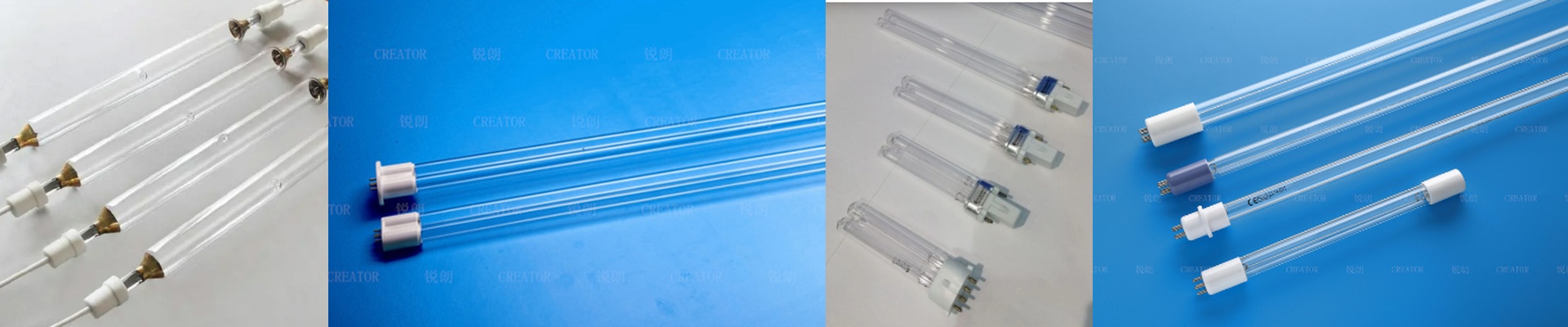
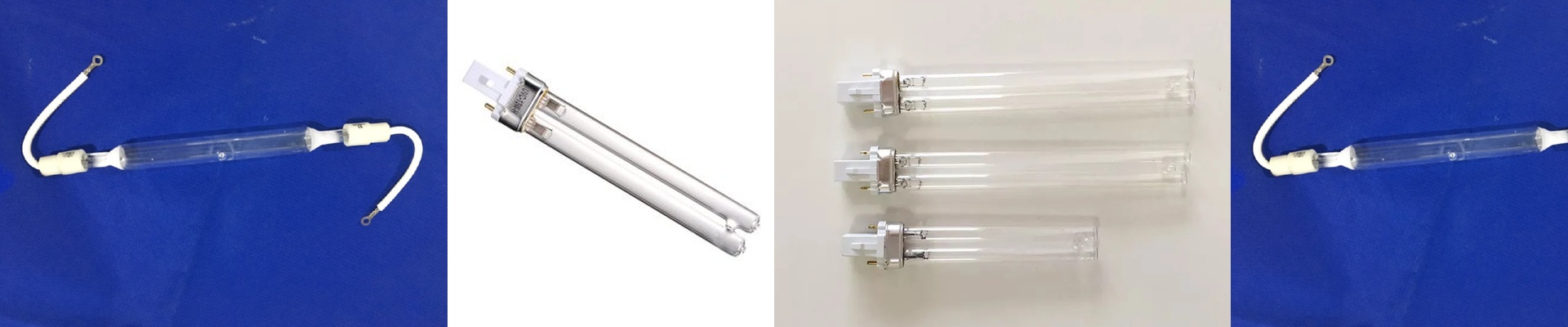
Out on the press floor, mismatched UV spectra are a silent profit killer. They eat into throughput and wreck adhesion. When your ink’s photoinitiators are asking for a narrow band, a broad-spectrum lamp forces your hand: slow down or risk under-curing. So we build 1000W, 2000W, and 3000W mercury vapor UV lamps with spectral output dialed into UVA, UVB, and UVC targets. We do it by tuning the arc-tube fill—mercury isotope ratio and additive blend—then finish with dichroic reflector coatings to tighten the emission envelope. What actually matters is controlling the photon budget. Peak irradiance comes down to arc geometry, electrode design, and reflector efficiency. The spectral shape is set by the lamp formulation and envelope transmission. A lamp biased at 365 nm is tuned for deep-layer cross-linking. Shift to 385–405 nm when you need through-cure on thick pigment, and you get less surface inhibition. Match the output curve to the photoinitiator absorption profile, and the delivered energy density (mJ/cm²) stays predictable across the substrate. Here’s the point: match the lamp spectrum to the chemistry, not the other way around. When the bands line up, you cut unnecessary heat, shorten exposure, and keep cure stable even as you change speeds. The payoff is straightforward: faster cycles, fewer rejects, and adhesion that holds on tough substrates. Energy draw tracks with the power class, but spectral precision means you don’t have to over-expose just to compensate. Installation has to fit the system envelope. Check reflector geometry, lamp length, and connector compatibility with your curing module. Go ozone-free where it’s required, and confirm the power supply can hit the ignition voltage and hold the operating current for the 1000W, 2000W, or 3000W rating you chose. Output stability lives or dies on fixture cooling. Maintain the rated airflow, and you keep electrode temperature—and spectral repeatability—within tolerance.