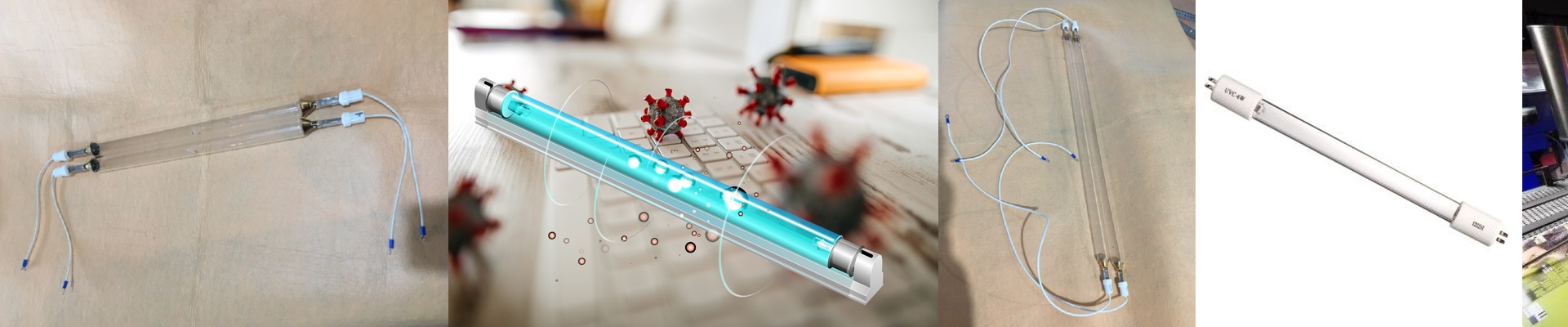
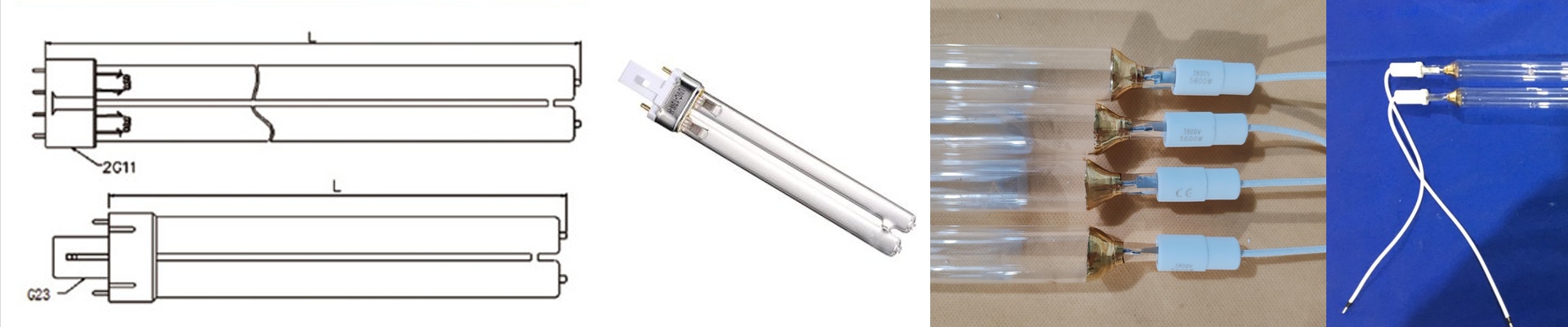
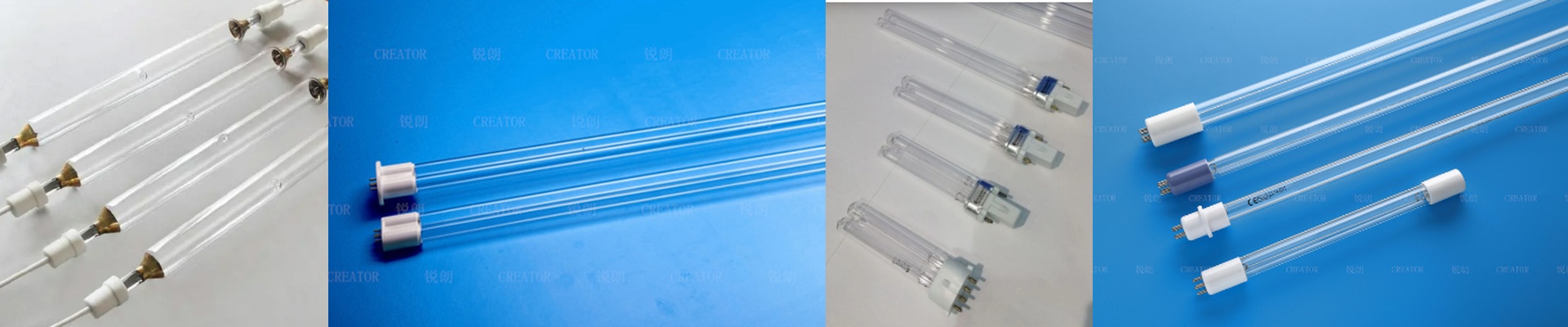
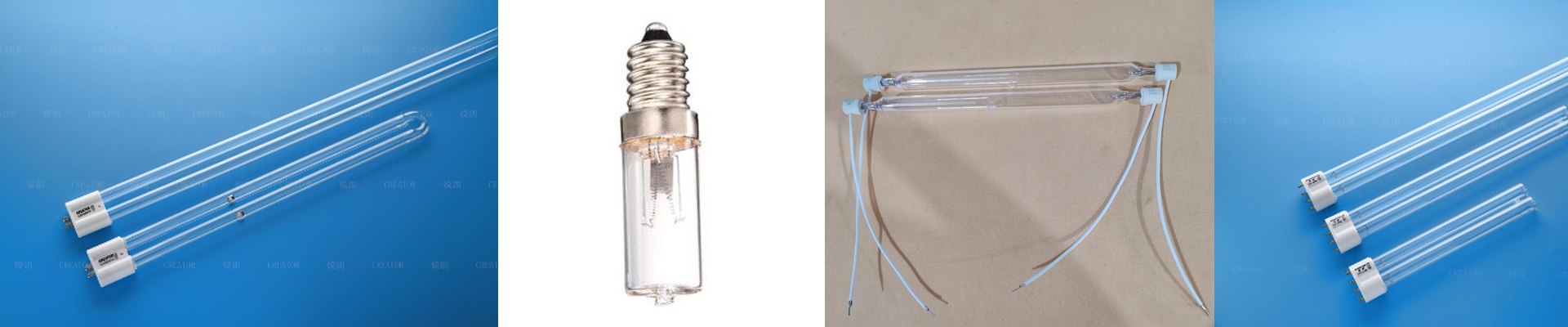
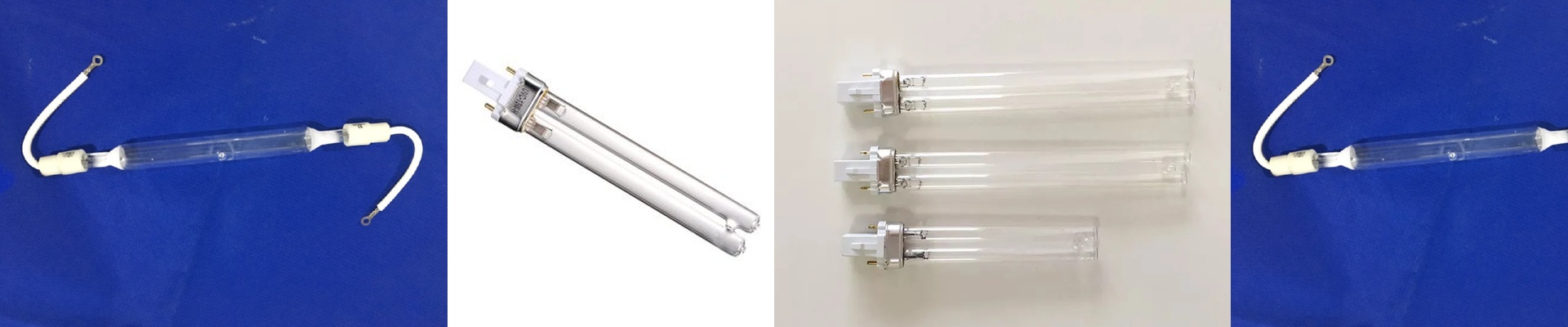
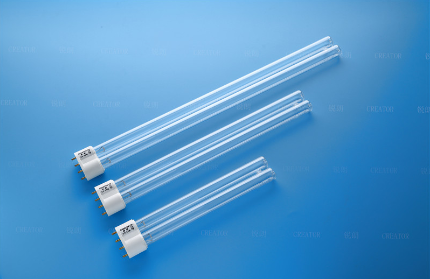
On the press floor, that blackening at the lamp ends is never just a cosmetic issue. It’s a real, measurable drop in spectral output — and a clear warning that curing failure is on its way. Often, it comes down to rapid start-stop cycles and ballast settings that don’t match the lamp’s electrical behavior. When the arc gets struck over and over without the proper warm-up, the fill gas chemistry shifts, electrode sputtering picks up, and the end-blackening gets worse. What actually matters under the hood Gallium iodide lamps are built around a specific spectral profile, with gallium emission centered around 365nm. That wavelength is what gives common photoinitiators the strong absorption they need, so you get fast cross-linking without having to throw excessive energy at the job. A lamp’s performance comes down to peak irradiance (W/cm²) at the substrate, spectral stability over its life, and the ignition curve the ballast enforces. If the ignition voltage is undersized, the current crest factor is wrong, or warm-up time is too short, the lamp runs in an unstable arc. The payoff? Faster end-blackening and a lamp that dies early. Here’s why this matters on UV offset, flexo, and screen lines: the cure window is tight. Ink transfer, penetration, and surface cure all have to happen within the press speed. Run a gallium iodide lamp at 365nm with a ballast that’s truly matched, and the spectral output stays stable, so the photoinitiator response stays consistent from job to job. You get repeatable cure at higher speeds, and the lamp ages predictably — output curves that drift down gradually instead of collapsing after too many cold starts. A few things to keep straight. Gallium iodide lamps are picky about ballast compatibility, so they have to be installed on equipment that meets the specified ignition and operating parameters. Check ignition voltage, operating current, and warm-up dwell against the lamp datasheet — mismatches will still push end-blackening. If you want maximum lamp life, keep start-stop frequency down, and make sure reflector alignment and cooling are right. Both of those directly shape peak irradiance and keep lamp temperature where it needs to be.