Let’s Talk About Custom UV Lamp Modules for Industrial Printing
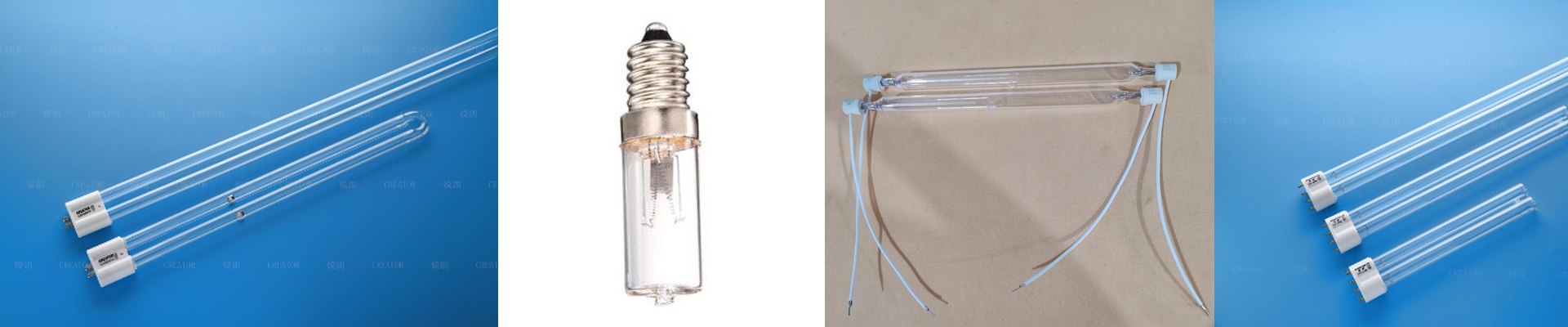
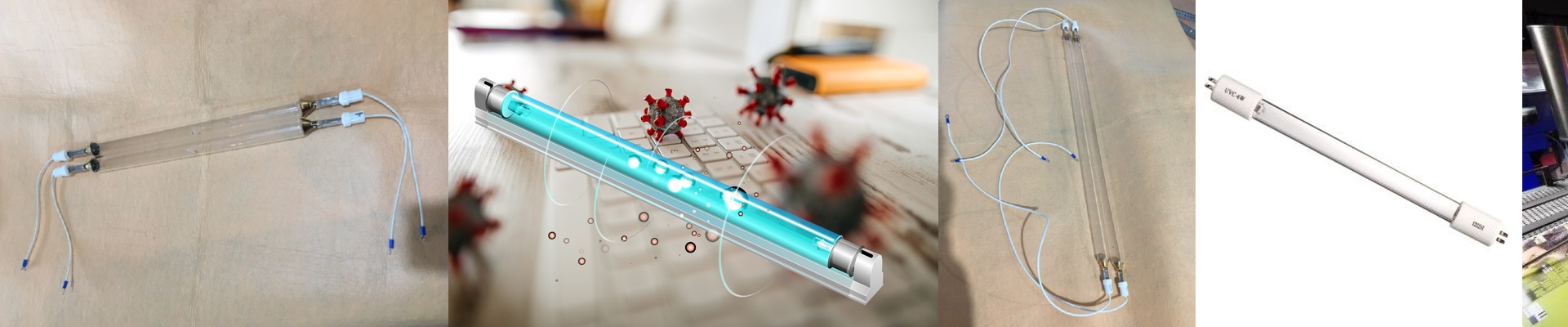
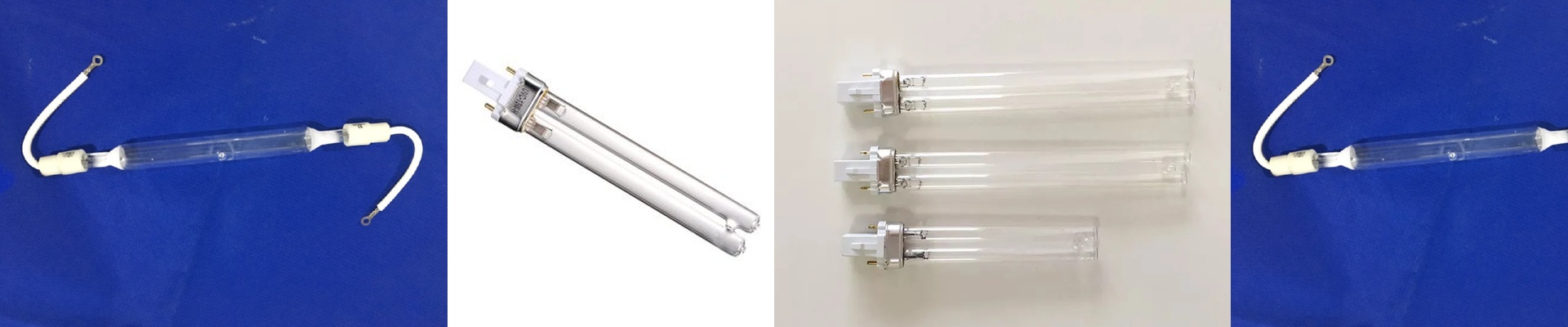
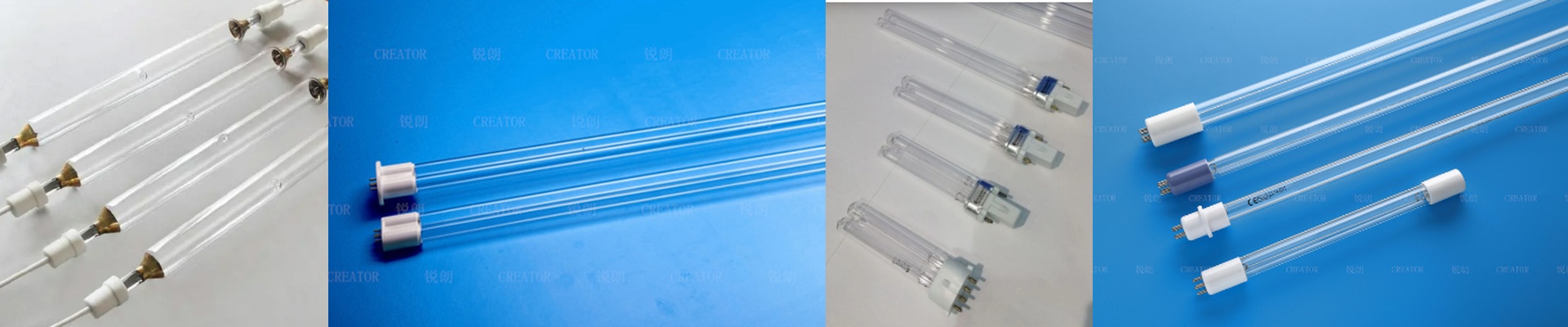
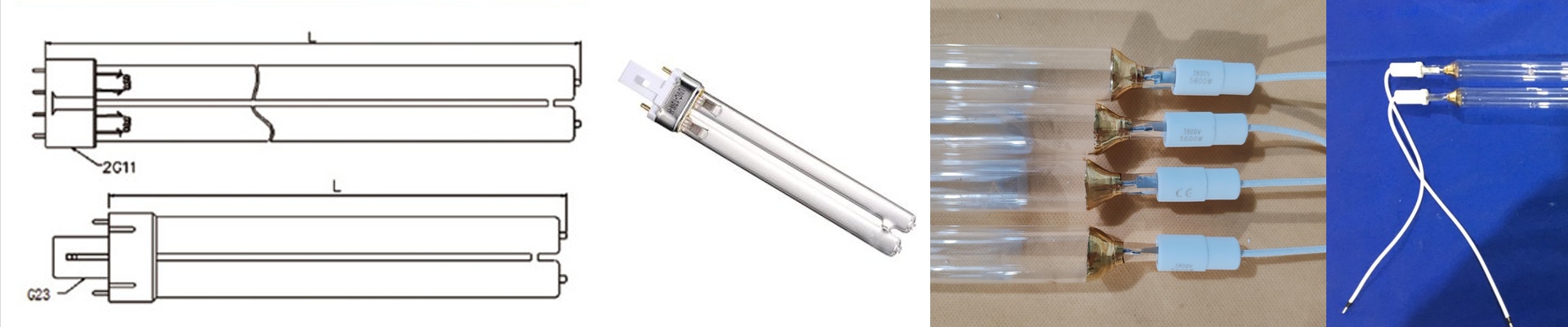
If you’re heading to the 2026 Printing Exhibition, you’ll notice something. It’s not really about the bulbs anymore. It’s about how those modules actually handle the heat and the speed when you’re trying to dry ink on a fast-moving line. That’s where we come in. We build the gear that connects the raw power of a lamp to the actual machine you’re running. Getting the power right Here’s the thing: every job is different. Depending on what you’re printing on, you might need a short-wave hit just to cure the surface, or something with a bit more punch to get through a thick coating. We dial in the wattage and voltage to fit your specific power supply. Now, high-wattage tubes are great for speed, but they gethot. Really hot. If you’re pushing for maximum intensity, you’ve got to make sure your cooling fans or water jackets can keep up. Otherwise, you’re looking at warped materials, and nobody wants that. Built for the long haul A lamp is only as good as the wiring holding it together. We use industrial-grade sockets and cables because we know these things run 24/7. There’s nothing worse than a burnout in the middle of a huge run. We also keep the footprint tight. We want these to be “drop-in” replacements that slide right into your existing presses without a fight. Plus, we use high-purity quartz glass. It lets more UV through and wastes less energy. We can even tweak the reflector shape to aim the beam exactly where the ink hits the page. It’s all about not wasting power. Living in the real world In a busy print shop, downtime is a nightmare. These modules are built to take a beating—dust, vibrations, the works. By bundling the lamp, reflector, and cooling housing into one single unit, we’ve made it way harder to mess up the wiring during installation. It just works. You get a consistent cure across the whole width of the web. One quick tip: pushing your intensity to the max will wear out your lamps faster. We usually suggest a balanced power curve. It keeps your maintenance schedule predictable so you aren’t surprised by a failure on a Friday afternoon.