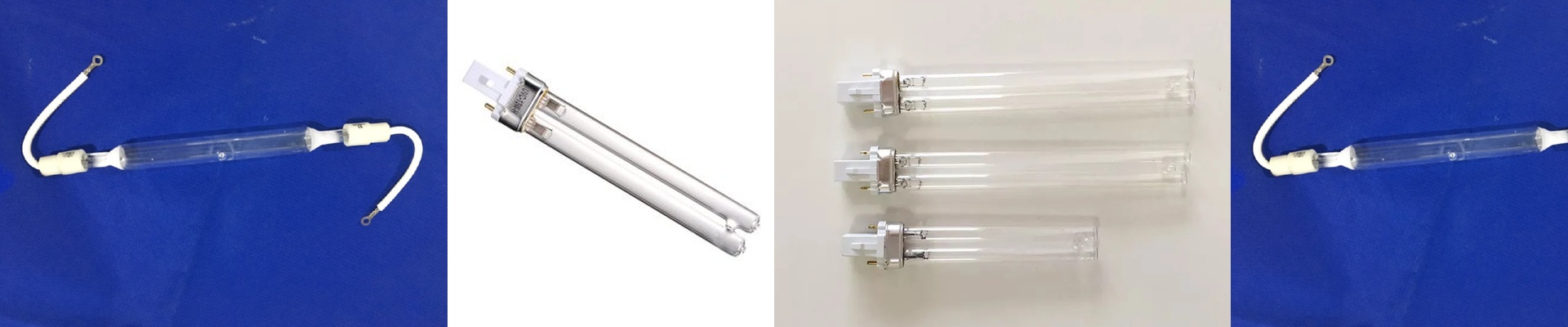
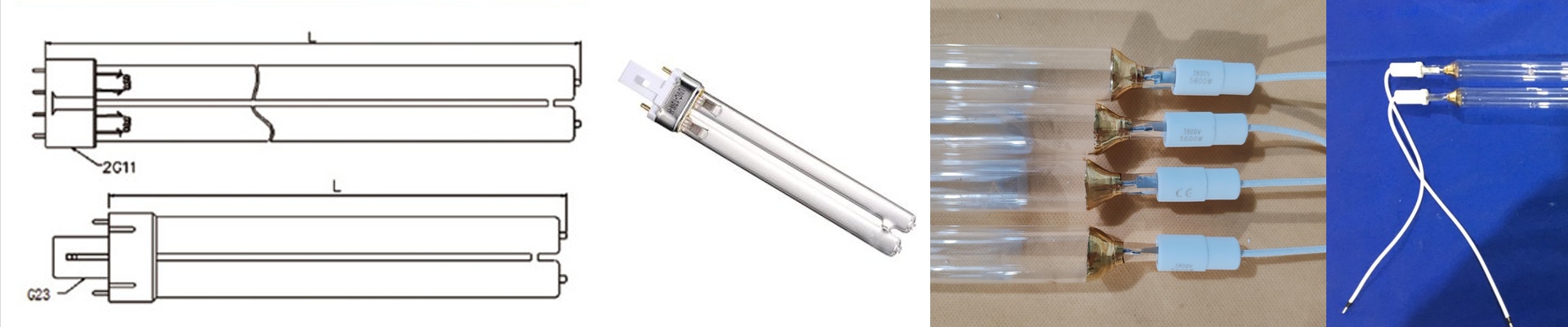
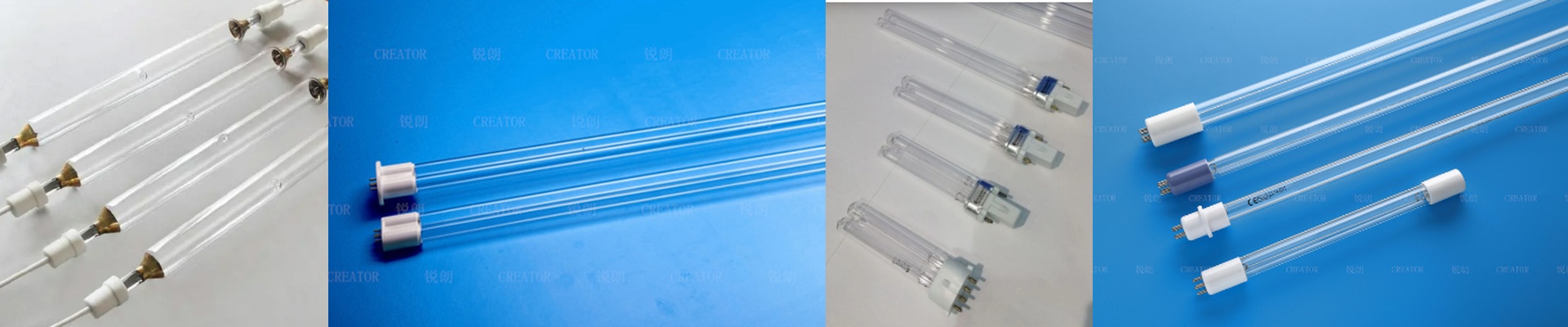
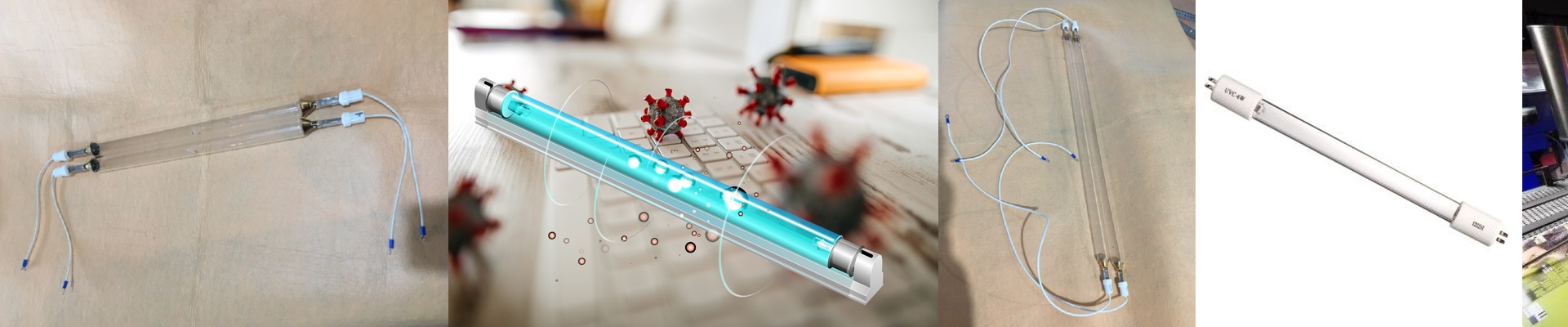
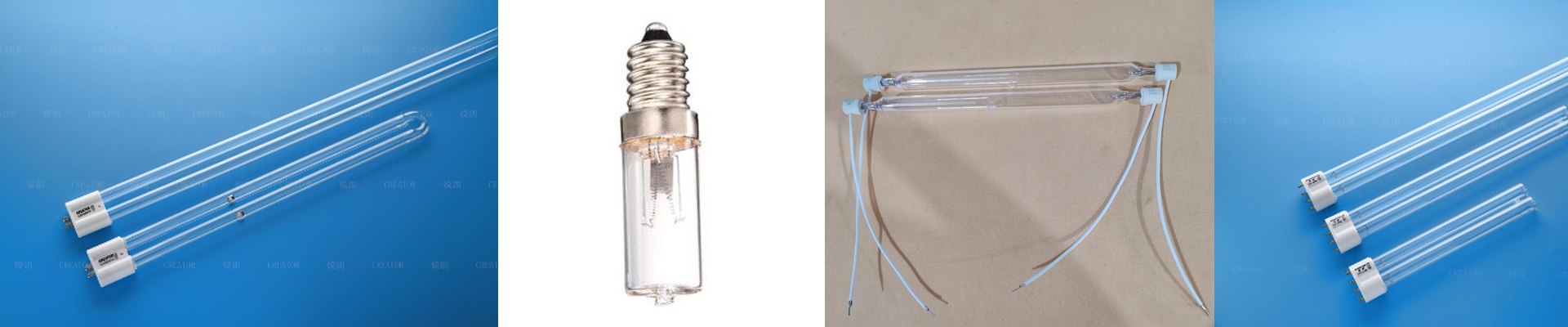
High-Power UV Lamps for PCB Manufacturing: Specs, Physics, and the Real-World Grind
We build high-power UV lamps for one reason: industrial curing on PCB lines that never slow down. On those lines, the cure window is tiny. The margin for error is basically nonexistent. You need a light source that’s steady, predictable, and tough enough to live inside a machine—one that fits the footprint and wires in cleanly without turning your maintenance schedule into a headache.
Power, Voltage, and Size: It’s All Connected
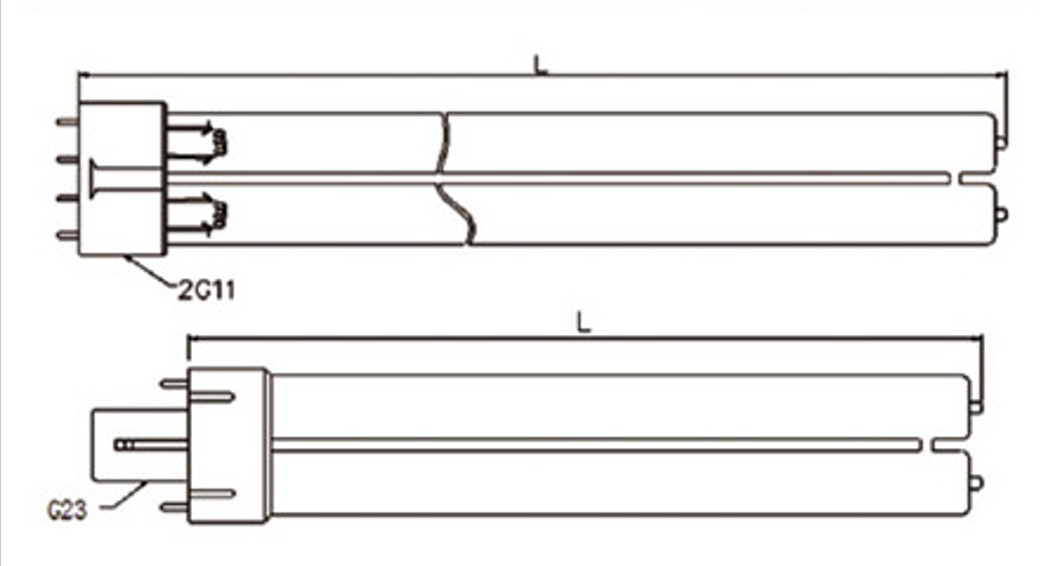
Here’s the thing about UV curing: it’s about dumping energy fast. A high-wattage lamp gives you the photon density needed to fully cure coatings in a single pass. No second chances. No “maybe it’ll dry later.” Voltage matters too. For the same power, higher voltage can mean lower current. That helps keep wiring losses and contact heating under control, which is a big deal when space is tight in a curing station. And the dimensions? They’re not decorative. Tube length and arc geometry shape the irradiance profile across the board. If your conveyor width and dwell time are fixed, the lamp length and power have to be matched so the peak intensity lands exactly where the coating needs it—without under-curing the edges or cooking nearby components.
Built to Survive the Heat Cycle
We run these lamps in quartz because it handles thermal shock and stays consistent with UV transmission. The internal fill and envelope geometry are tuned so output stays stable, even when the lamp is heating up and cooling down over and over. And yes, the real world fights you. Process atmosphere can create film buildup. So we use a specialized UV-transparent coating or treatment on the outer surface to help keep output steady. The payoff is simple: less output drift means fewer line stops for lamp maintenance. For the connector, we choose something like R7s because it makes the interface straightforward—mechanically secure, electrically clean, and easy to repeat. That translates to quick lamp swaps and repeatable alignment, which means changeovers don’t drag on.
The Lamp Is Part of the Process—Treat It Like One
In PCB manufacturing, the lamp isn’t just “a light.” It’s part of your process control. High-power UV gives you a fast, solvent-free cure. That’s the good part. But it also brings serious heat. So you have to manage it—with the right reflector design, airflow, and sometimes water cooling. If you push the power to hit higher line speeds, your cooling and shielding have to keep pace. Think of the lamp as a system component: spec the power, match the voltage, and make sure the thermal budget fits your machine. When you get that balance right, the line just moves. And that feels good.