Beyond Just Curing: How We’re Rethinking Light Energy for the Factory Floor
Here’s the thing. We don’t just make UV lamps. We build solutions for the folks we partner with—the OEM and ODM teams who need more than a simple bulb. They need a tool that truly belongs in a modern, 4.0 production line. So the real question becomes: how do you make light energy a dependable, integrated part of the process? It needs to be precise, repeatable, and totally under control. Our answer? We treat the whole package as one complete system. We engineer the entire thermal and optical setup—the voltage, the power, the materials, the interface—so the lamp stops being a disposable part and starts being a reliable, core component of your machinery.
Let’s Get Technical: Power, Voltage, and Size
We chose a 400V high-voltage rating for a reason. It gives you rock-solid ignition and keeps the arc under control, even in those compact, high-intensity UV sources. It also means a fast warm-up and steady output, even when the factory line’s voltage dips and spikes. That’s a huge deal when your entire cycle time is measured in seconds. Pair that with a 300mm tube length and a 2500W rating, and you’ve got serious power packed into a small space. This lets you focus the energy exactly where it’s needed—right on the part—without having to tear apart your whole machine bay. But here’s the trade-off: that much power creates a lot of heat. Your fixture needs to be smart about airflow and heat rejection to keep both the lamp and the nearby electronics running safely.
The Inside Story: Materials and Design
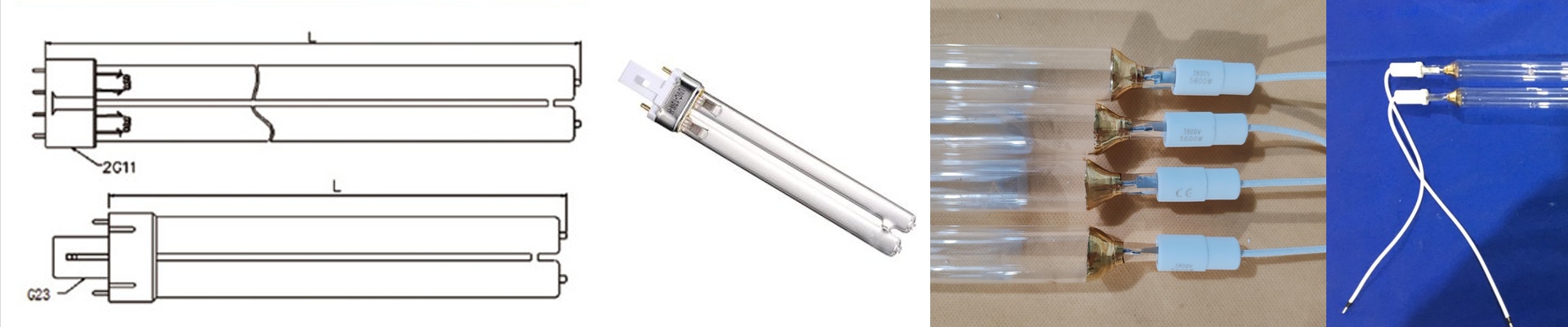
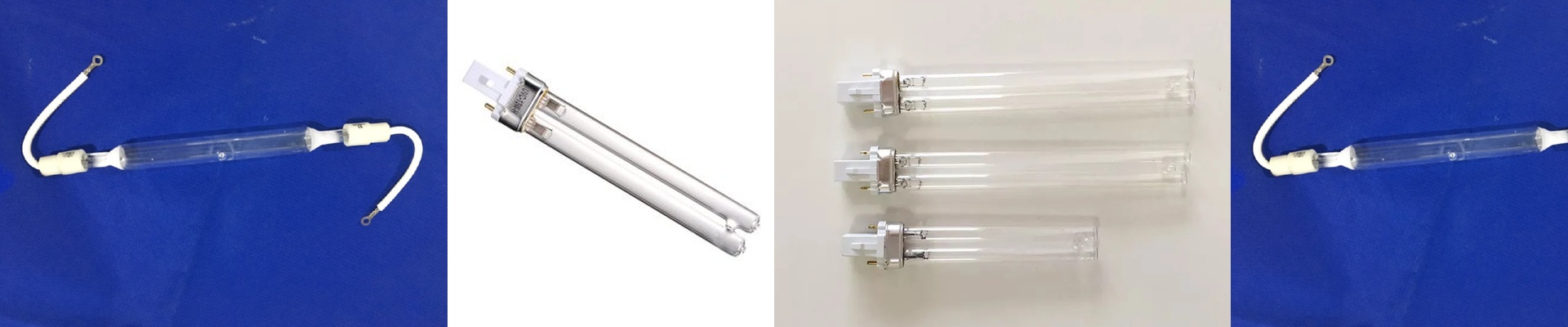
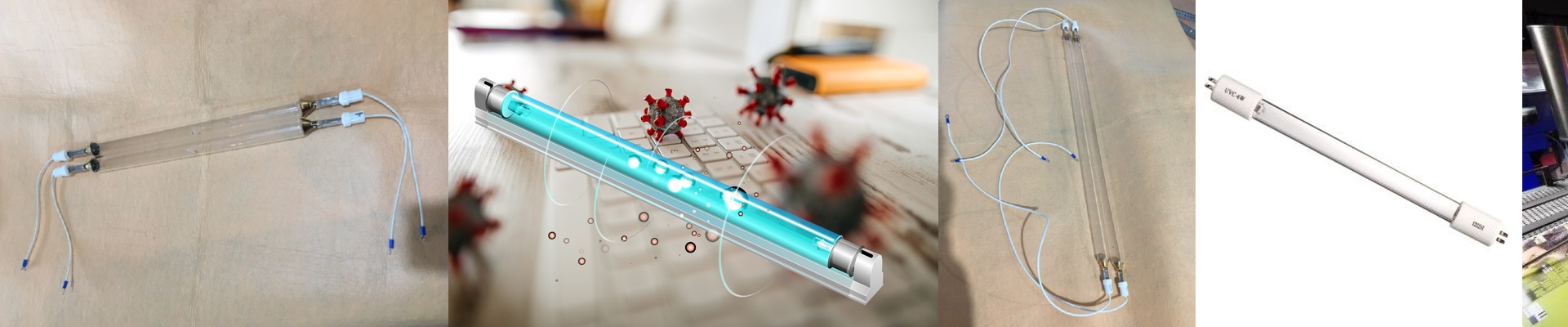
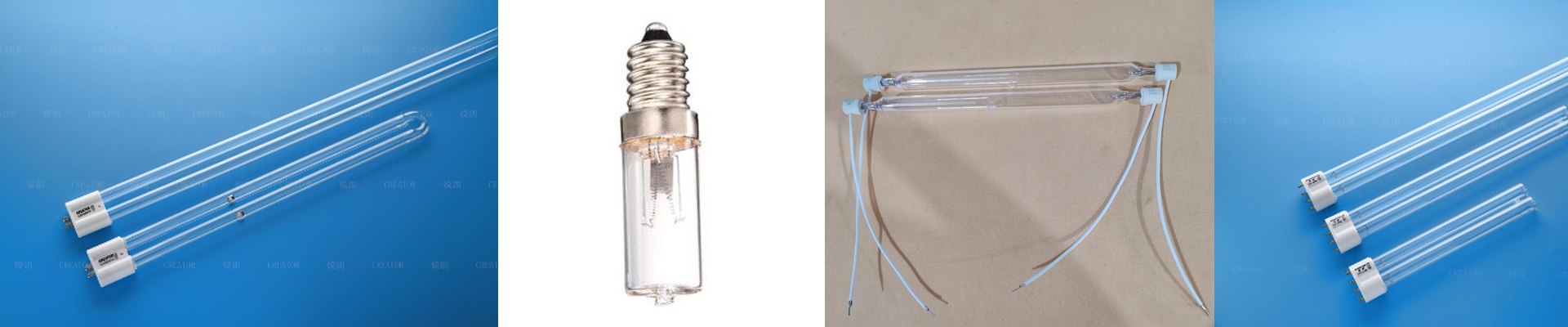
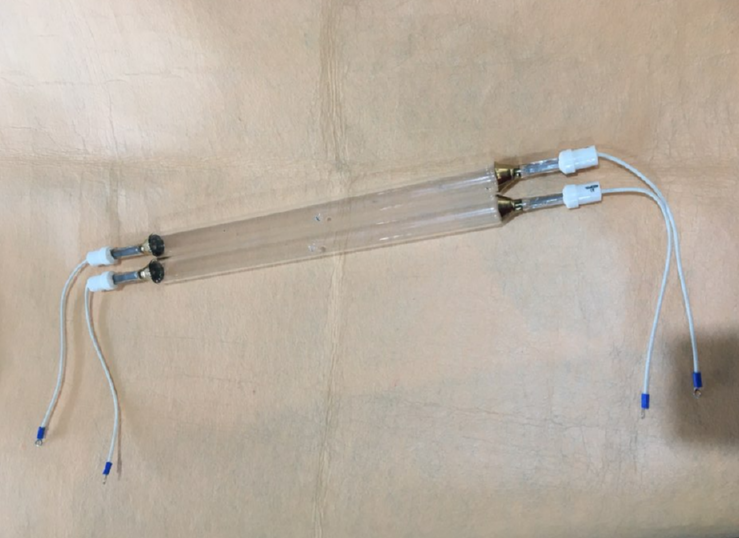
Inside, we use halogen technology housed in a quartz envelope. This combo gives you a stable spectrum and a long, predictable life. The quartz itself is tough as nails—it handles thermal shock and stays crystal clear, no matter how many times you cycle it on and off. We also apply a specialized coating that filters out the wavelengths you don’t want. This helps keep the process consistent, shift after shift. And for the physical connection, we use an R7s connector. It’s secure, handles high temperatures, and is a breeze to wire up. It holds its alignment even in high-vibration environments. It’s built to take a beating on the factory floor, day in and day out.
Built for the Real World: Application and Benefits
This whole setup is built for industrial work where heat and light have to work together in harmony—think adhesive curing, coating drying, or polymer processing in lines like PET blowing. The compact 300mm length makes retrofits a snap, and that R7s interface means it’s often a simple drop-in replacement for what you already have. What you get is predictable output, reliable starts every single time, and a design that shrugs off harsh conditions. For the OEM/ODM teams, this means fewer headaches in the field, lower service costs, and a solution that fits cleanly into your automated, data-driven equipment.