Keeping Your UV Lamps Steady When the Shop Gets Loud
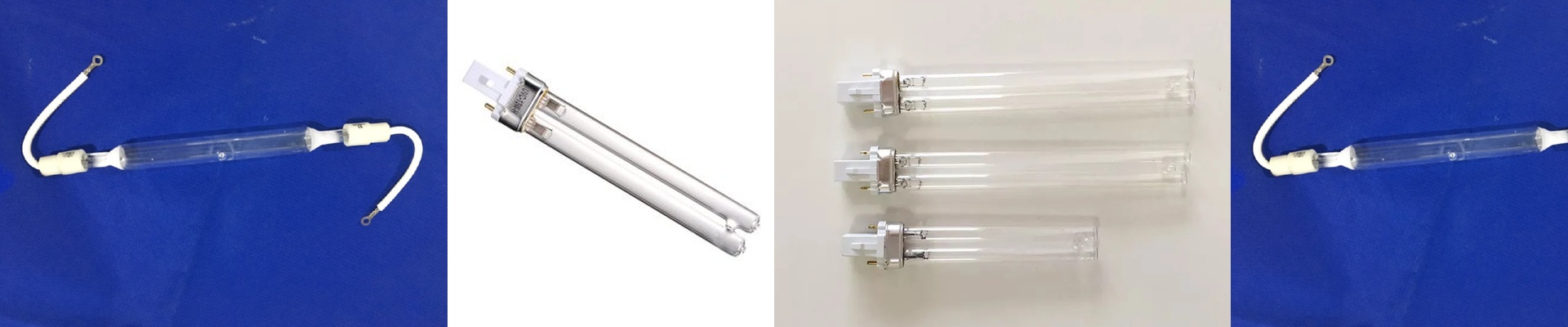
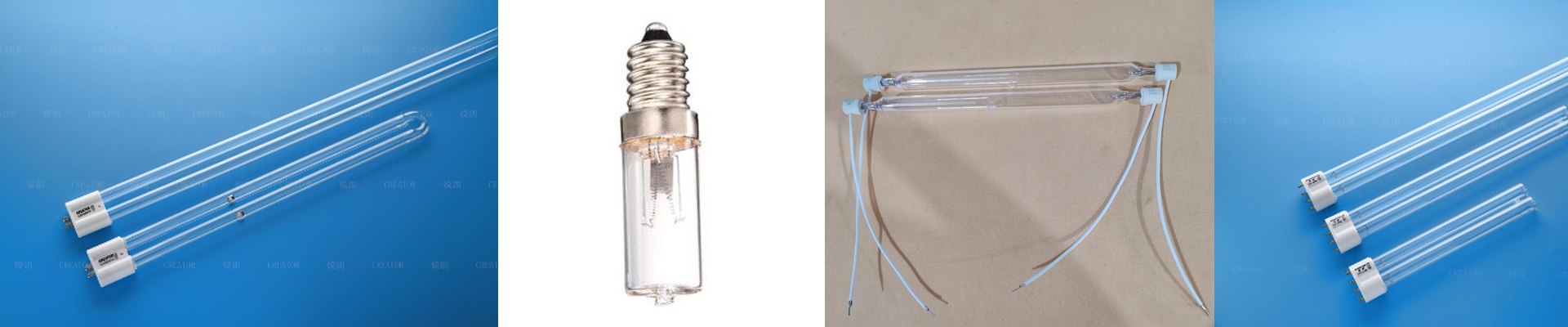
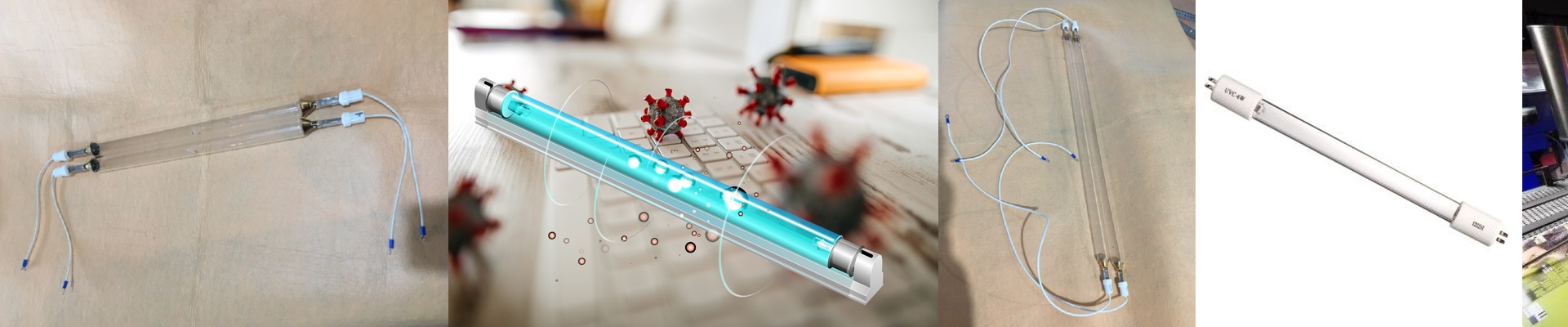
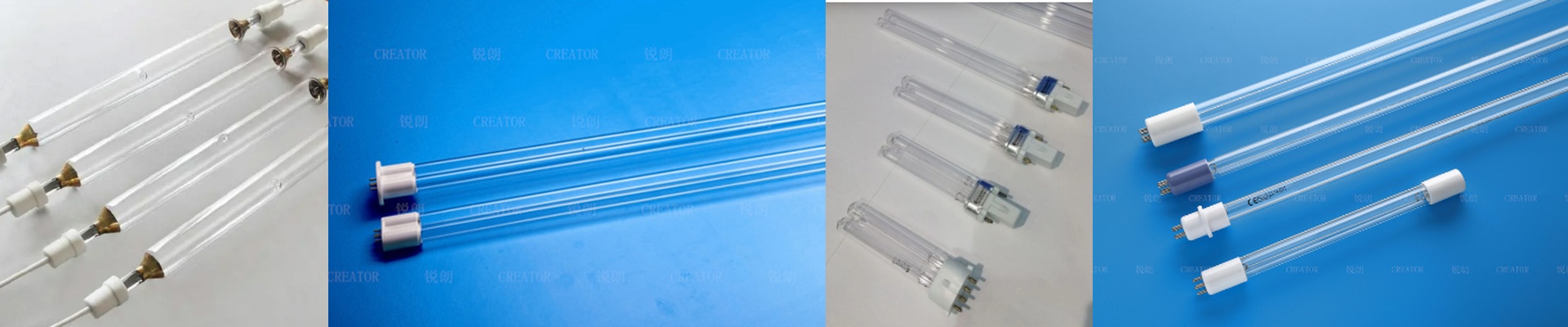
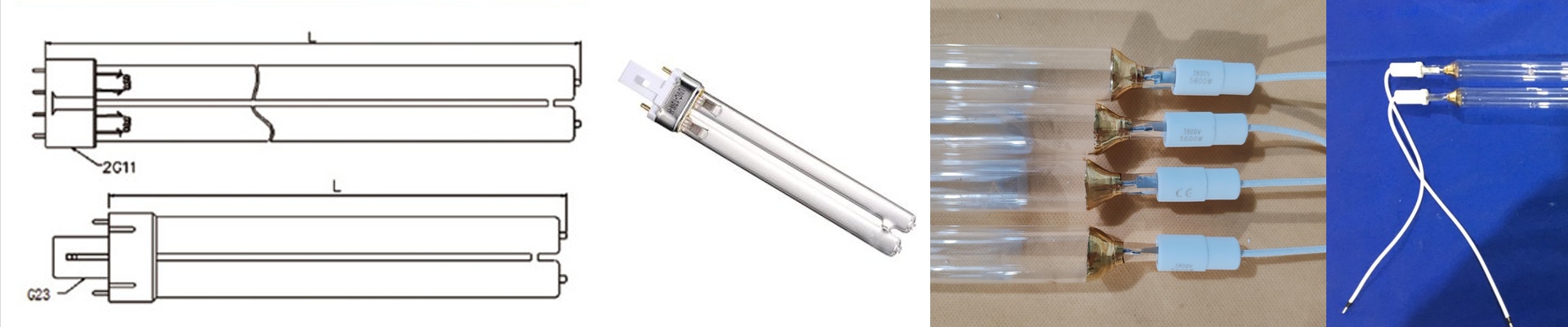
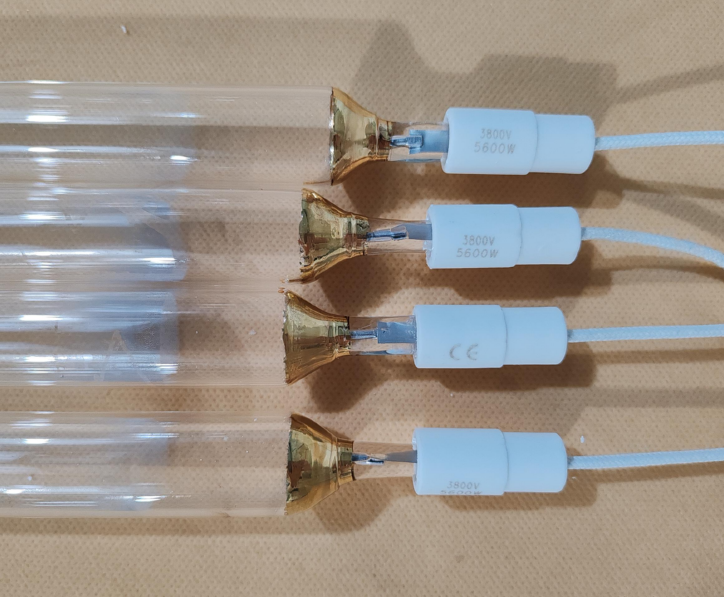
If you’ve ever worked in a busy print shop, you know the vibe. You’ve got multiple massive presses humming away, motors kicking in and out, and a power grid that’s basically fighting for its life. All that electrical noise—what the engineers call EMI—is a nightmare for UV lamps. It can make a standard arc flicker or, even worse, just quit on you right in the middle of a run. That’s why we built our 80W/cm mercury lamps to be tough. They’re designed to handle the chaos of a real industrial floor without breaking a sweat. The sweet spot of 80W/cm Hitting 80W/cm is all about balance. You need enough punch to cure your inks at high speeds, but you can’t blast it so hard that you melt your substrate. We dial this in by tweaking the mercury vapor pressure and the thickness of the quartz. Here’s the thing: if the lamp and the ballast aren’t perfectly in sync, you get “hunting.” That’s when the lamp struggles to stay steady, and you end up with splotchy curing and a pile of wasted material. Nobody wants that. Fighting the flicker We focused heavily on arc stability. By using high-purity quartz and a very specific electrode shape, we keep the plasma centered. It means when five different presses are pulling from the same bus and the voltage dips, your lamp just rides it out. It doesn’t jump, it doesn’t quench, and it doesn’t leave you staring at a dead tube while the clock is ticking. A few tips for the floor These lamps fit into most standard systems without any fuss. But keep in mind, 80W/cm puts out a lot of heat. If your cooling fans are choked with dust or your chiller is struggling, that quartz envelope is going to take a hit. That’s a one-way ticket to a premature burnout. And while you’re at it, do yourself a favor: check your reflector alignment every few months. It’s easy to lose 20% of your power just because a mirror shifted an inch and is now hitting the machine frame instead of your product. Lastly, keep your wiring tight. A loose connection at the lamp head is the fastest way to kill a high-wattage tube. Simple, but it happens all the time.