Stop the Squeal: Why Your Brake Pads Need Better Heat
Ever wonder why some brake pads just won’t stop squealing? Usually, the problem starts way before the pad ever hits a car. It happens in the curing oven. Most shops use standard hot air ovens. The problem is that hot air only hits the surface. It takes forever for that heat to crawl into the center of the pad. By the time the core is warm, you’ve often got “soft spots” or internal stress. That inconsistency leads to uneven wear and those annoying vibrations when you hit the brakes.
Getting into the Core
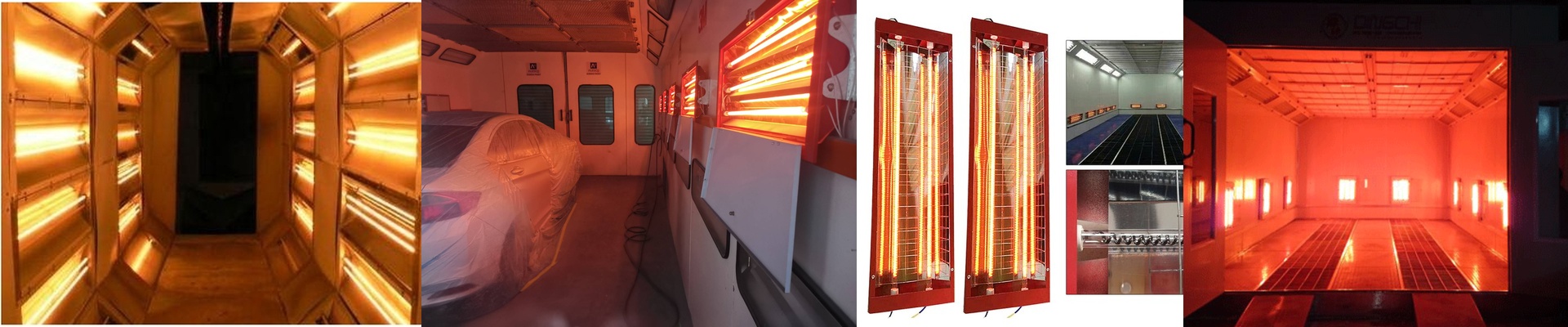
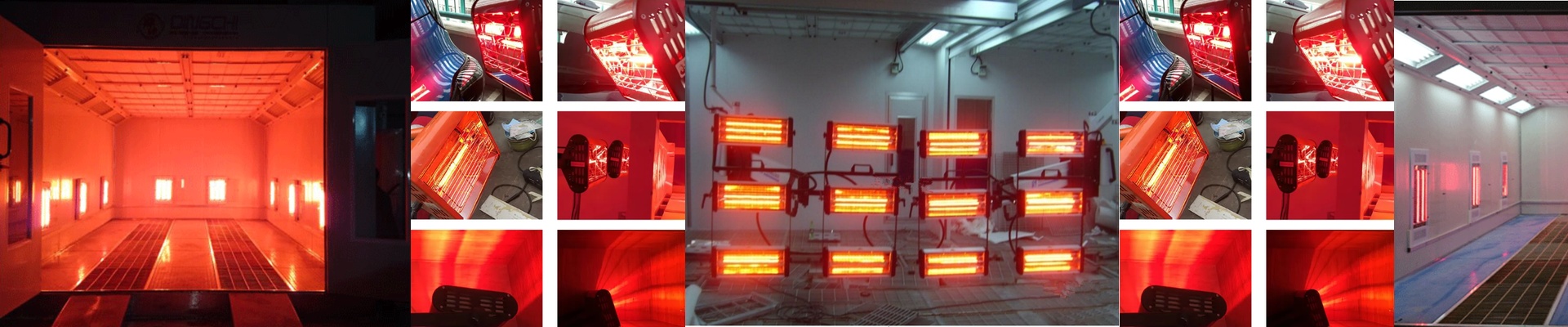
We handle this differently. Instead of blowing hot air around, we use shortwave infrared (IR) lamps. Think of it like the sun hitting your skin on a summer day. It doesn’t just warm the air around you; it penetrates. The IR radiation goes straight through the phenolic resin and metallic fibers. The heat hits the core and the surface at the same time. You get a solid, uniform cure all the way through the pad. No guesswork. No soft centers.
The Gear You Actually Need
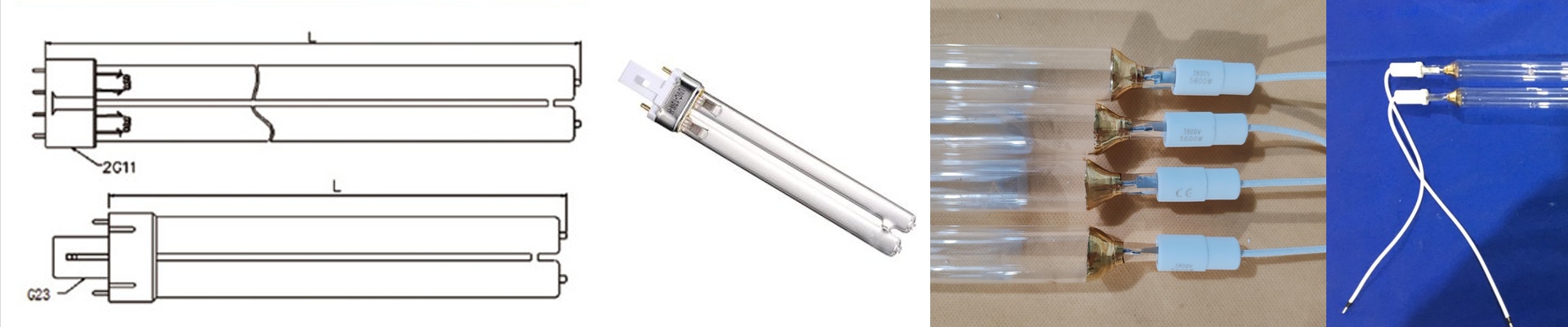
To make this work, you can’t just use any old heater. We use high-watt density quartz halogen tubes. The trick here is speed. You want a rapid ramp-up. If you heat too slowly, you get “skinning”—where the outside hardens into a shell and traps gases inside. Not a good look. Now, a quick heads-up on the setup: you’ve got to balance your voltage and wattage with how fast your belt is moving. Higher wattage means a shorter tunnel, which saves space. But, it does put more pressure on your electrical panels. And if you’re pushing high output, don’t skimp on the cooling fans. If those reflectors warp, you’re in trouble.
Making it Work on the Floor
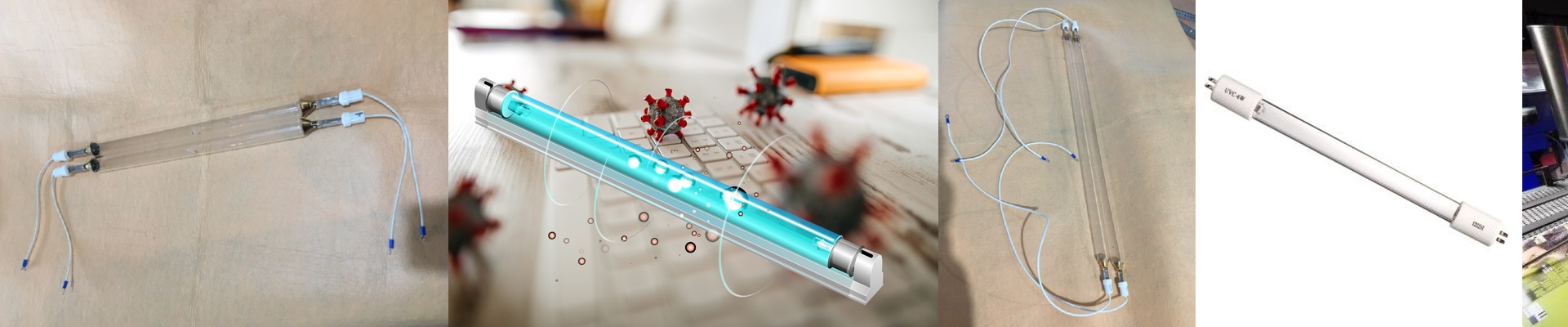
The best part? These lamps are basically drop-in replacements. We use standard connectors, so you aren’t spending all weekend rewiring your shop. Just remember one thing: IR is all about the line of sight. If your pads are crammed too tightly or your reflectors are covered in grime, you’re going to get cold spots. You need a clear path from the lamp to the pad. Keep it clean, keep it clear, and your resin will cure perfectly every single time.