Getting the 253.7nm Peak Right: The Real Story Behind Our UV Bulbs
A lot of bulbs call themselves “germicidal.” But there’s a huge gap between a basic lamp and a tool you can actually trust in a lab. For us, it all comes down to a specific number: 253.7nm. That’s the sweet spot. It’s exactly where DNA and RNA soak up the most energy, which is what actually snaps the molecular bonds of germs and shuts them down.
The Struggle for Purity
We don’t just throw a filament in a tube and call it a day. Getting that precise light output is a bit of a battle. First, we have to nail the mercury vapor pressure. Then, there’s the glass. We use high-transmittance synthetic quartz because standard glass is basically a wall—it absorbs the UVC photons before they even leave the bulb. If the glass purity dips even a tiny bit, your output tanks. We spend a lot of time calibrating our production runs to keep things tight. Why? Because you shouldn’t have to mess with your sensors every single time you swap out a bulb. You just want it to work.
The Honest Trade-off: Power vs. Life
Here’s the thing: pushing for high-intensity output is hard on the hardware. It puts a lot of stress on the electrodes. We use specialized alloys to keep them from burning out too fast, but physics still wins in the end. If you push for the absolute maximum microwatts per square centimeter, the quartz will eventually “solarize.” The glass gets cloudy. It’s just the nature of the material.
Making it Work in the Real World
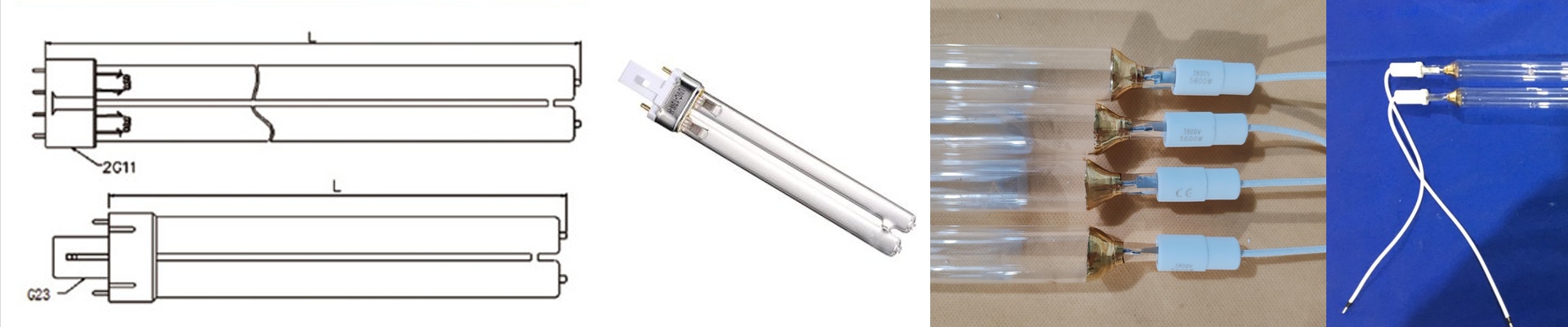
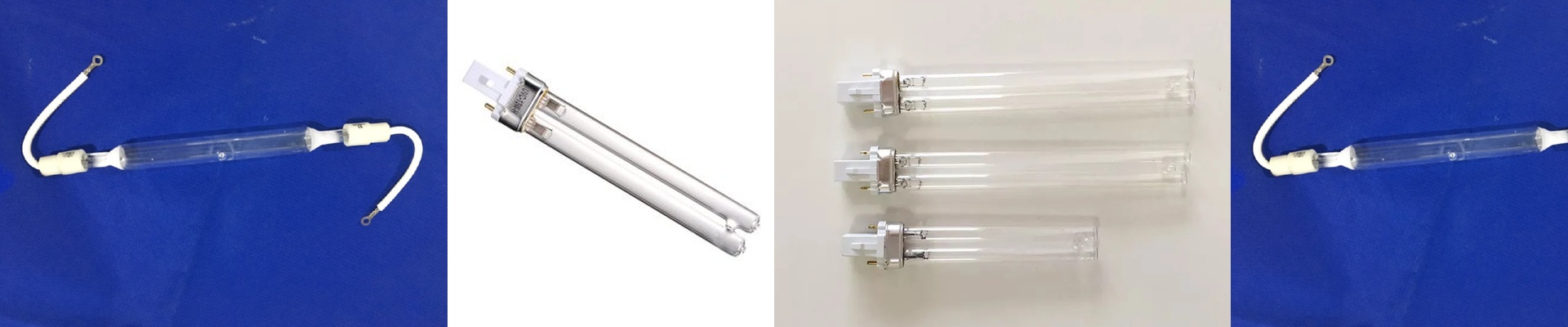
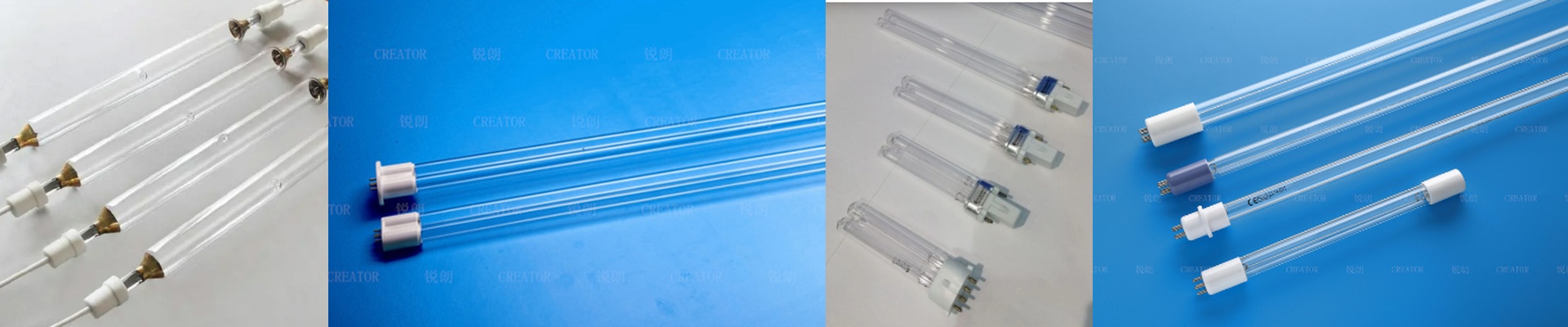
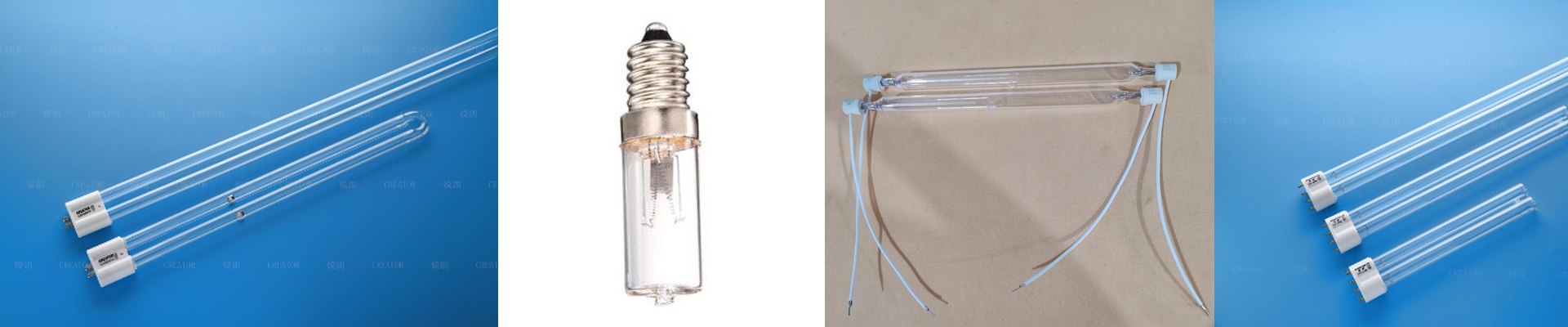
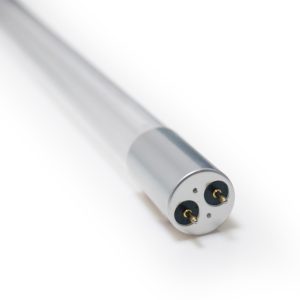
When you’re setting up a massive sterilization array, you’re usually fighting two things: space and power. We designed our bulbs to be simple drop-in replacements for industrial reactors and HVAC banks. No weird custom adapters. No headaches. We kept the pin configurations standard so you can just wire them up and go. One quick tip: if you’re running hundreds of these on one circuit, double-check that your ballasts match the wattage. You don’t want your lamp ends overheating.