The Real Deal on Industrial UV-C Lamps
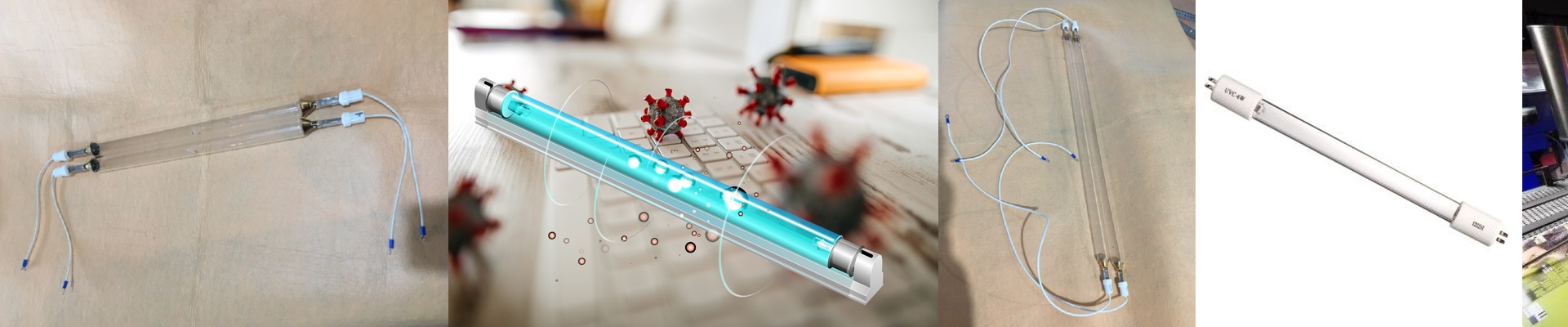
Here’s how it actually works: UV germicidal lamps hit microbes with short-wave radiation (usually 253.7 nm) to break their DNA. Simple, right? But when you’re scaling this up for a factory or a massive plant, things get messy. The real headache for most engineers is trying to keep costs down without accidentally buying junk that doesn’t actually kill the germs.
Why the Glass Actually Matters
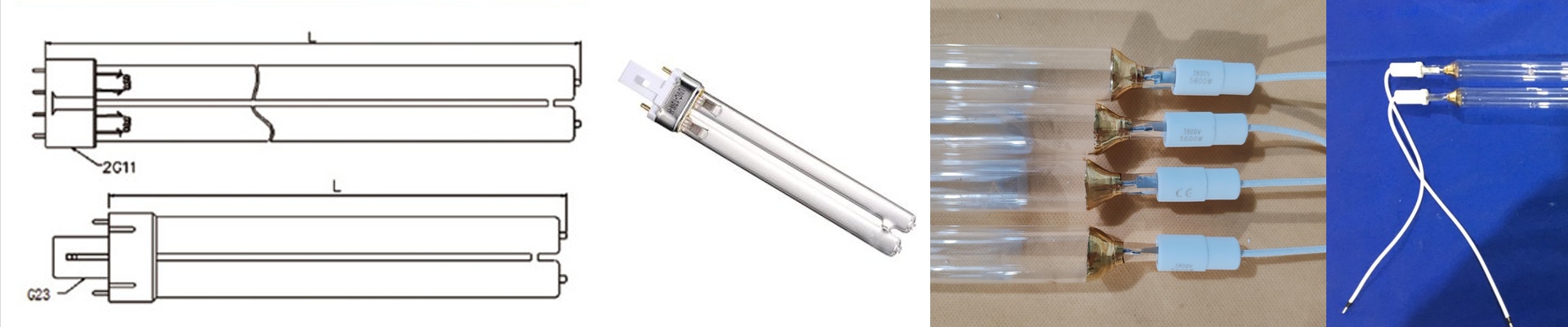
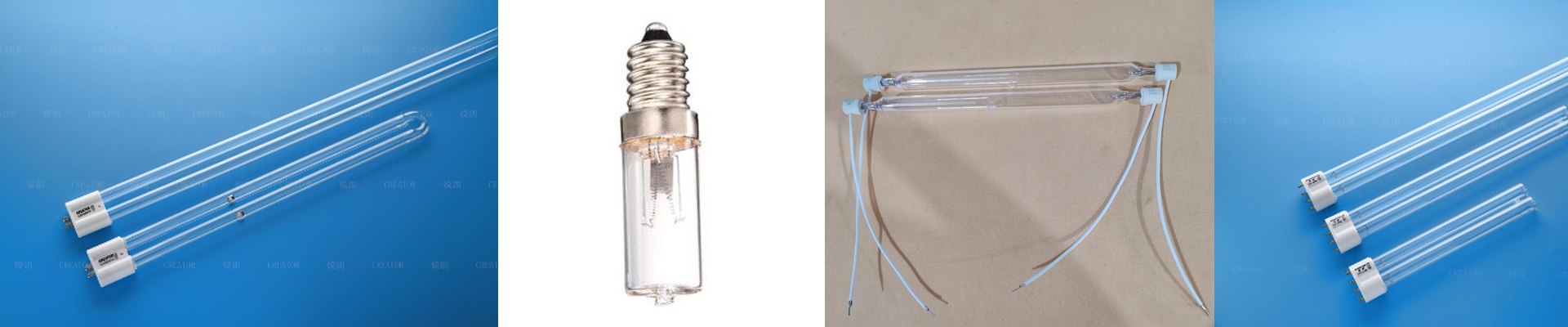
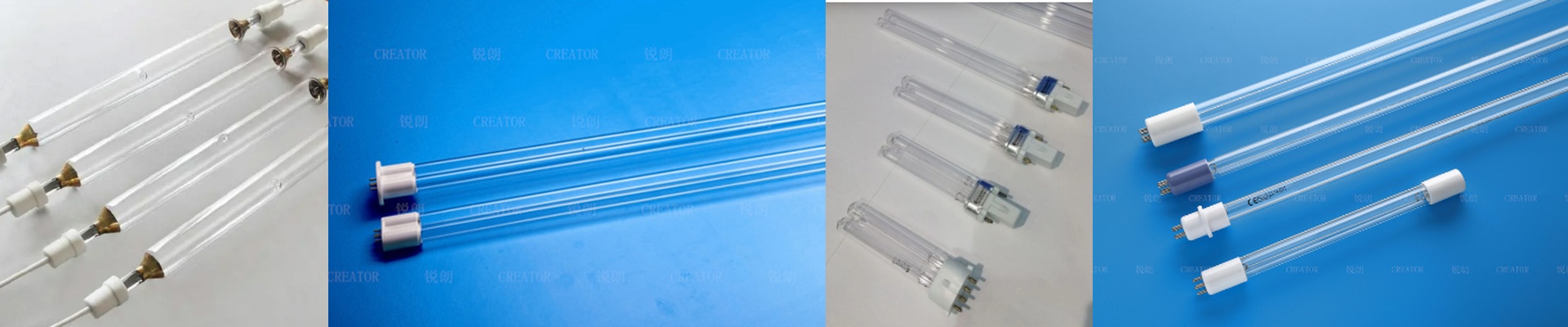
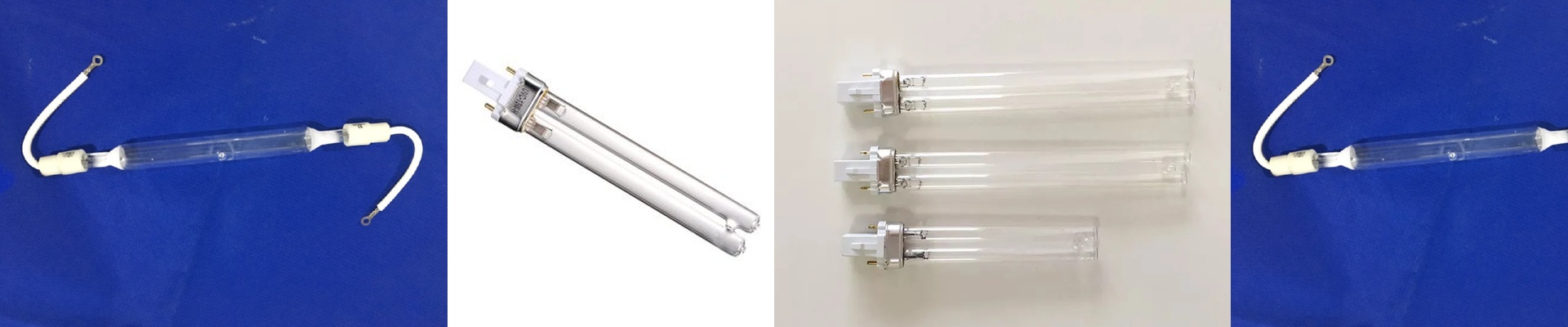
You can’t just use any old glass. Standard glass blocks UV-C. If you use the wrong stuff, the lamp has to work twice as hard—running hotter and hotter—just to get the light out. That’s a recipe for disaster. Your electrodes burn out way too fast, and you’re replacing tubes every few weeks. We use high-transmittance synthetic quartz. It lets the light flow through effortlessly. Because the purity is there, you get a steady 254nm peak. This means you don’t have to overstuff your array with extra lamps just to make up for poor quality.
Getting the Power Right
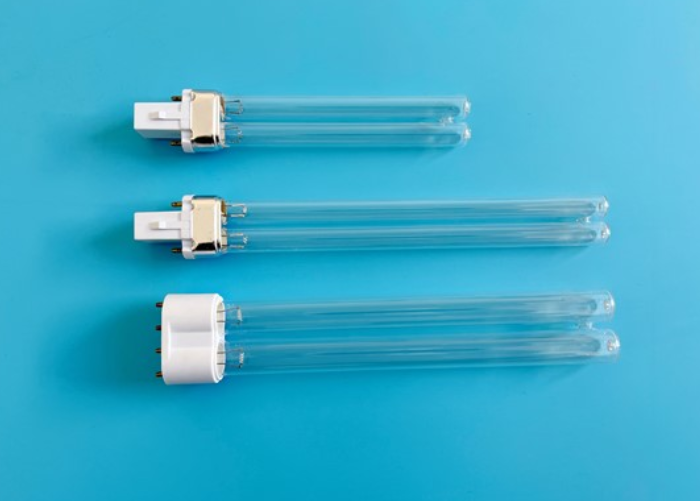
Most of our tubes are designed to slide right into standard ballast systems. But be careful here. If your starter and ballast don’t perfectly match the lamp’s wattage and voltage, you’ll get flickering. Or worse, your sockets will start to overheat. I’ve seen poor electrical matching shave 30% off a tube’s lifespan. It’s a waste of money. And let’s talk safety. This isn’t about reading a manual; it’s about not blinding your staff. UV-C is brutal on the skin and eyes. Do yourself a favor: build physical interlocks and leak sensors into your chassis. The second a technician opens a panel, the power should kill instantly. No exceptions.
Scale vs. Quality
We handle everything from sourcing the quartz to coating the electrodes. No middlemen, no weird markups. You get a solid vacuum seal without paying a “premium” brand tax. But a word of warning: be wary of the absolute cheapest options on the market. Usually, “cheap” means the glass walls are thin. Thin glass hates thermal shock. If your airflow isn’t perfectly steady, those tubes can crack. Also, double-check your mounting brackets. If they’re too tight, they put mechanical stress on the glass, and pop—there goes your production line.