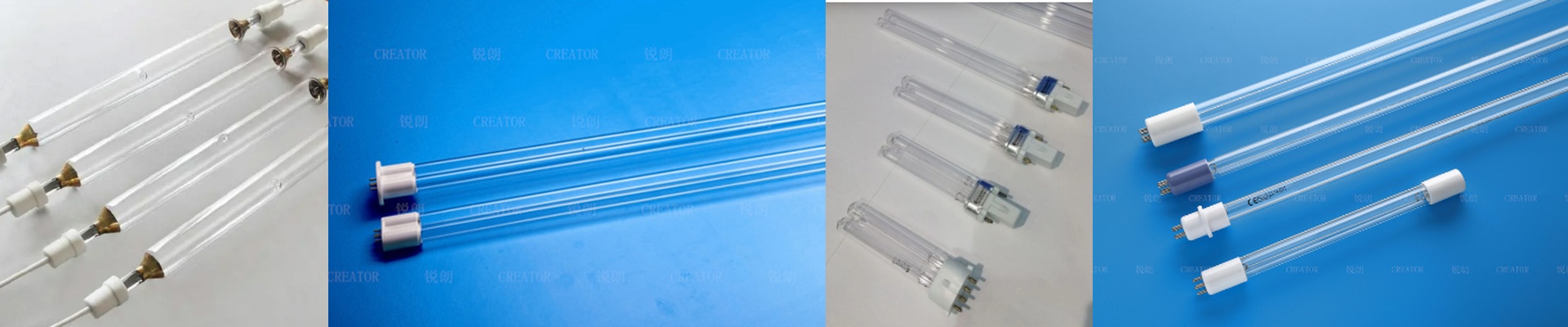
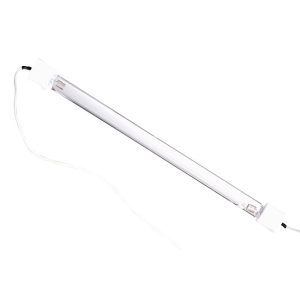
Getting the Wavelength Right in UV Systems
Here’s the thing about germicidal UV: it’s all about the details. We spend most of our time obsessing over a tiny sliver of the light spectrum. To actually kill germs, your lamp needs to hit exactly 253.7 nm. That’s the sweet spot. It’s where the light actually breaks apart the DNA and RNA of microorganisms. If you’re off by just a few nanometers? You’re basically just shining a fancy light on a germ. It doesn’t work. That’s why we use high-purity synthetic quartz for the glass. Regular glass would just soak up all that UVC power before it ever hit the target.
Why Stability Matters
In the lab, we’re always hunting for “spectral drift.” It sounds technical, but it’s simple: we’re checking if the light shifts over time. Mercury vapor pressure and wearing-down electrodes can mess with the output. And heat is the enemy here. If the lamp runs too hot, that peak wavelength slides, and your sterilization power drops. To stop that, we’re very picky about the ballast. You have to match it to the lamp’s operating voltage perfectly. If you over-drive the lamp, you’ll fry the electrodes in no time.
Keeping Things Safe
Let’s be honest: UVC is nasty stuff. It’ll burn your skin and wreck your eyes if you aren’t careful. We build our housings to be absolute vaults. We use aluminum shielding and tight gaskets so not a single leak of light gets through the seams. Plus, we add safety interlocks. It’s a simple fail-safe: if a door swings open, the power cuts instantly. No accidents.
The Trade-offs
You might think “more power equals better,” and while higher wattage does kill germs faster, it creates a lot of heat. If you don’t have a way to move that air, your lamp’s lifespan will tank. You’ve got to pick cooling fans that keep the bulb within the limits we set. If that quartz gets too hot, the seals at the end caps can actually fail. We’ll give you the thermal limits. All you have to do is wire it up and keep it cool.