Getting Your UV Lamps Right in Textile Printing
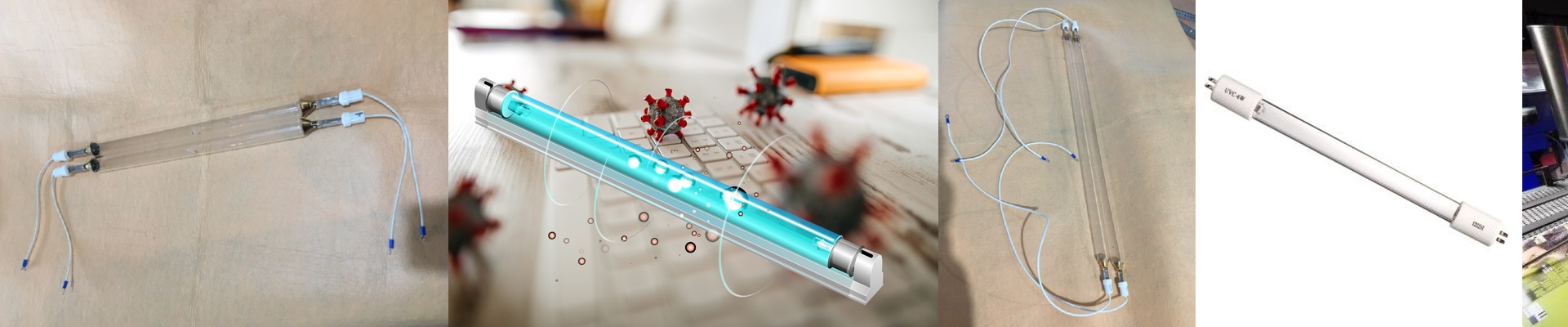
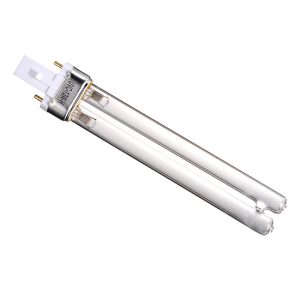
When people hear “UV-C germicidal lamps,” they usually think of sanitizing a hospital room. But in the textile world, these lamps do a lot more than just kill germs. We use them to lock the ink into the fabric, making sure the design stays crisp and doesn’t smudge or fade. But here’s the catch: you’re working with high-energy radiation. If your hardware isn’t dialed in, you risk ruining a pricey piece of fabric or, worse, hurting someone on your team. Finding the Sweet Spot For this kind of work, 254nm is the magic number. It’s where the lamp is most effective, giving you the energy you need to cure the ink properly. The tricky part is the balance between your wattage and how fast your conveyor belt is moving. If the belt crawls too slowly or the power is cranked too high, you’ll literally burn the fabric. Too low? The ink stays tacky and ruins the batch. You also want a lamp that puts out a steady stream of light across the whole tube. Otherwise, you’ll end up with “zebra stripes” across your print, and that’s a nightmare to fix. The Right Gear You can’t just use any old glass here. Standard glass blocks UV-C, which makes the lamp a glorified lightbulb. We use high-purity fused quartz instead. It lets the radiation slide right through without losing its punch. Then there’s the shielding. You’ve got to house these things in reflective aluminum. It’s a win-win: the aluminum bounces the UV light back down onto the fabric to make it more efficient, and it keeps the radiation from leaking out and hitting your eyes. Dealing with the Heat High-output lamps get hot. Really hot. The UV does the heavy lifting, but the infrared heat it kicks off as a byproduct can warp thin synthetic fabrics. That’s why you can’t skip the cooling system. Whether you go with forced air or water-cooled jackets, you need to pull that heat away fast. If you don’t have a plan for the heat, your lamps won’t last nearly as long, and you’ll likely end up with scorched fabric. Not a great look.