Why Your UV Lamps Actually Fail on the Press
I’ve spent time in about 3,000 different printing plants. After that many visits, you start to notice a pattern. There’s a huge difference between how a UV lamp performs in a clean, quiet lab and how it handles the chaos of a real shop floor. Usually, when an energy-saving lamp dies early, people blame the bulb. But that’s rarely the case. The real culprit? The design just wasn’t built for the heat and the constant shaking of a press in motion.
Getting the Power Right
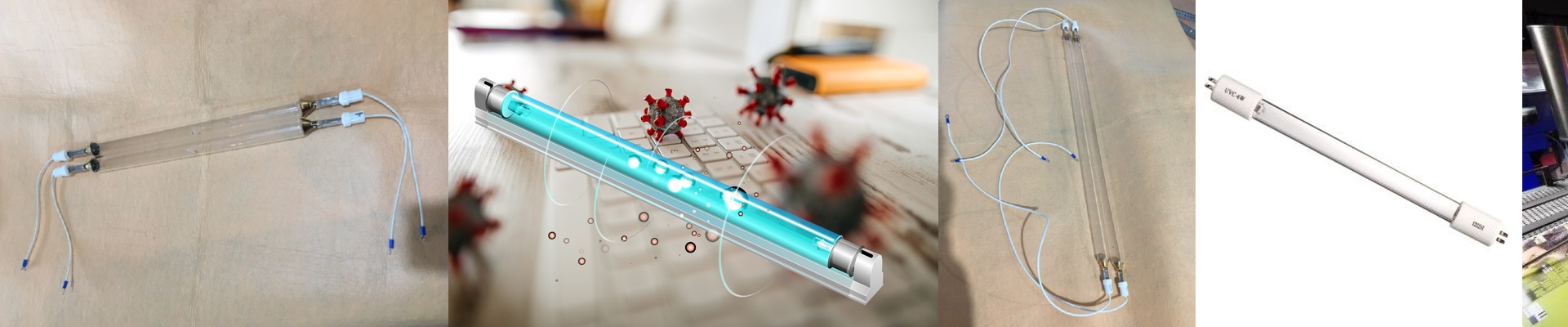
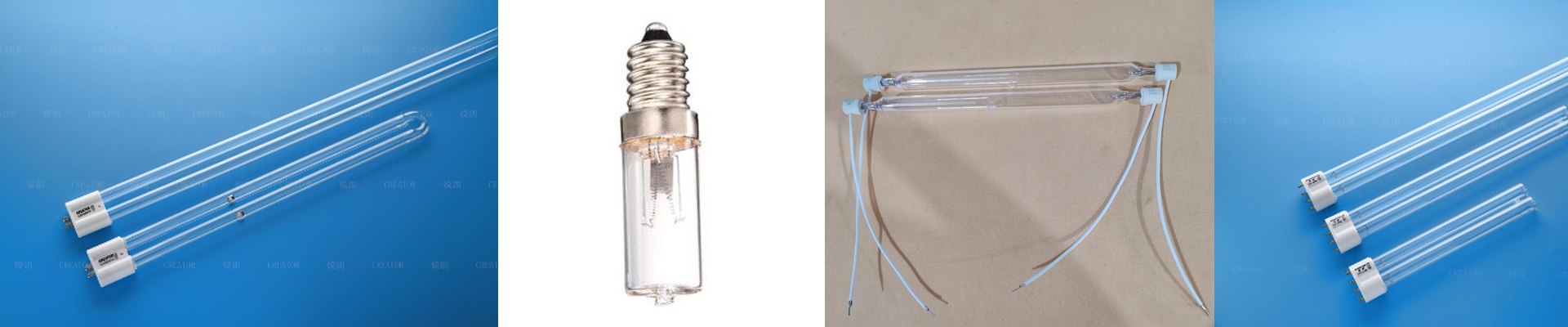
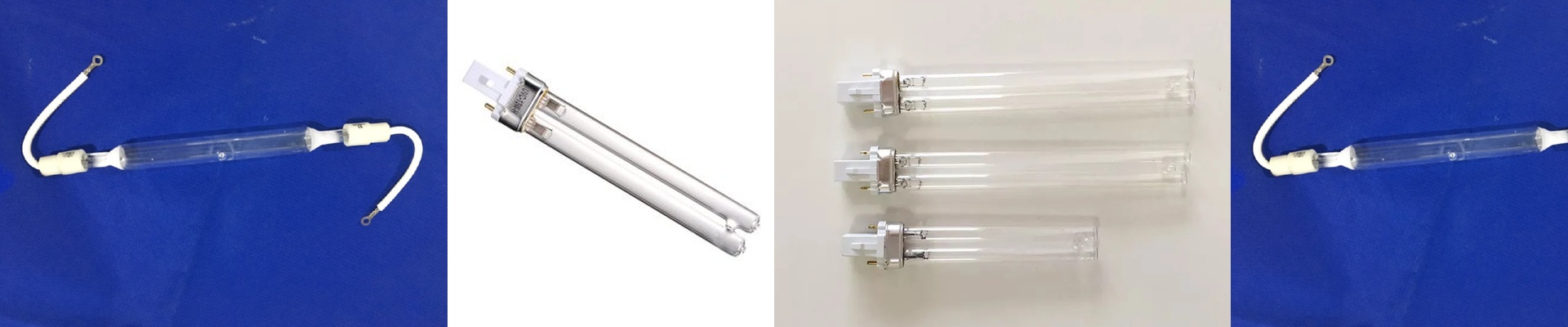
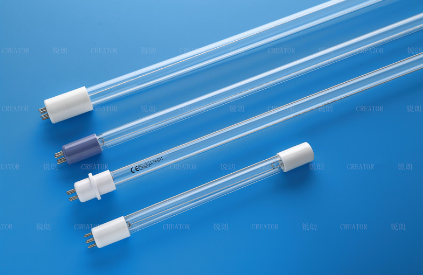
The goal is simple: get the most UVC punch possible out of every watt. In your world, you need enough power to kill microbes or cure ink, but not so much that you end up baking your substrate. We use high-purity quartz glass for this. It keeps that 253.7nm wavelength moving through the tube instead of getting trapped in the glass. We also ditched the old magnetic transformers. Those things flicker at 50/60Hz and waste a ton of energy as heat. Switching to electronic ballasts makes the lamps last longer and keeps things cooler.
Built for the Grind
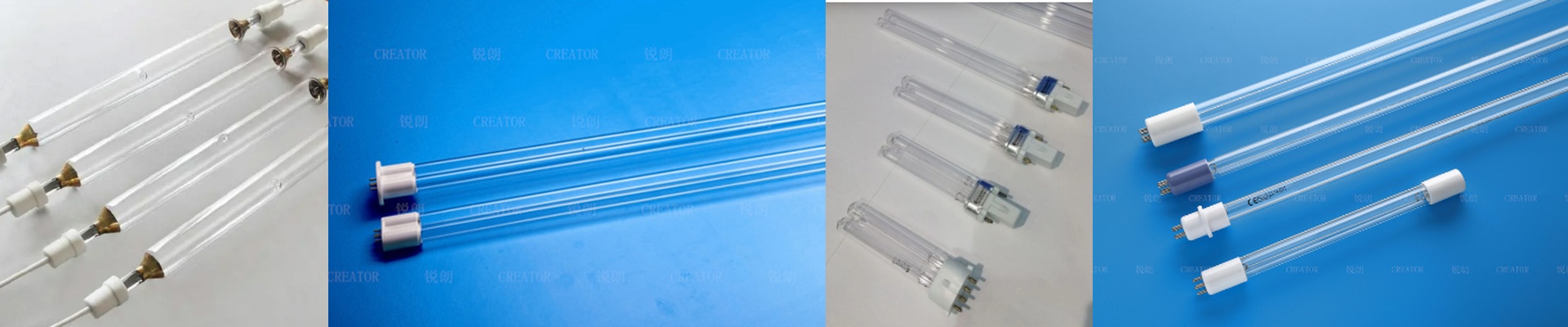
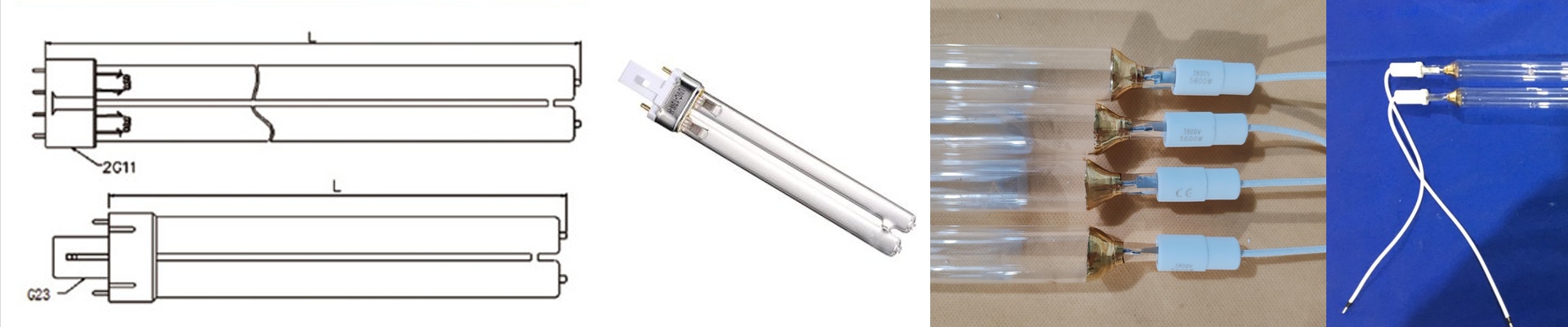
Industrial lamps take a beating. They live in a world of vibration and grime. To handle the heat, we use reinforced aluminum heat sinks. It’s a simple fix, but it works. If the quartz gets too hot, your UV output actually drops. Plus, we use locking connectors. Because the last thing you need during a high-speed run is a lamp shaking loose and shutting down your line. One heads-up on the power: these aren’t “plug and play” into just any old circuit. They’re picky. If your voltage jumps around by more than 5%, you’re going to see your bulbs burn out way faster than they should.
The Trade-offs
Here’s the thing about high efficiency—it usually comes with a slower warm-up. You can’t just flip the switch and expect full blast instantly. You’ll need to build that ramp-up time into your production schedule. And while these models will save you a decent chunk on your electric bill, those electronic drivers have a weakness: dust. They hate it. Keep your cabinets sealed tight, or just make it a habit to blow them out once a week. It takes two minutes, but it saves you from a total component failure right in the middle of a big job.