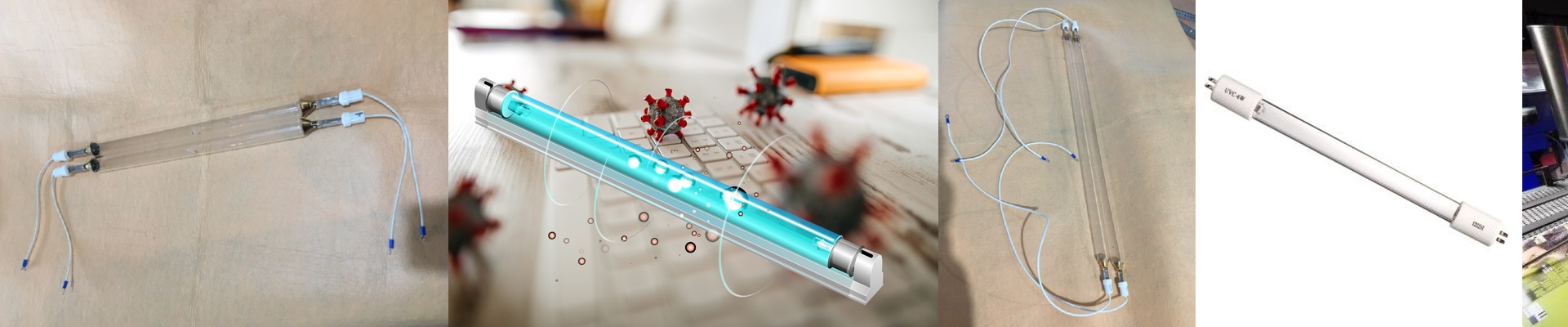
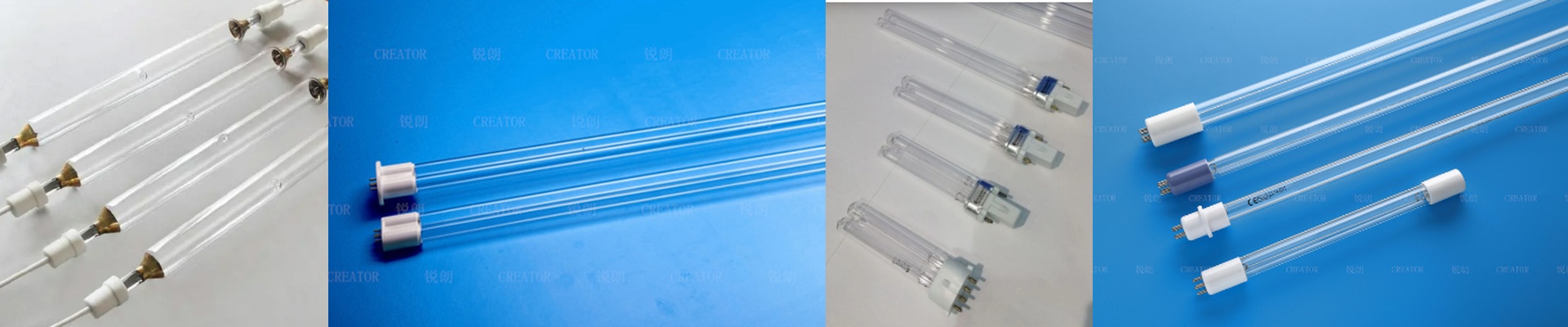
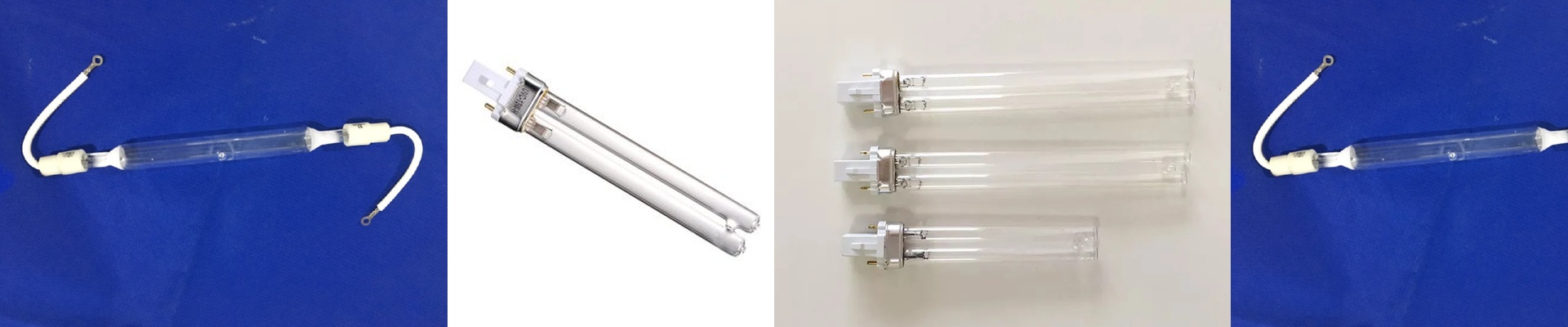
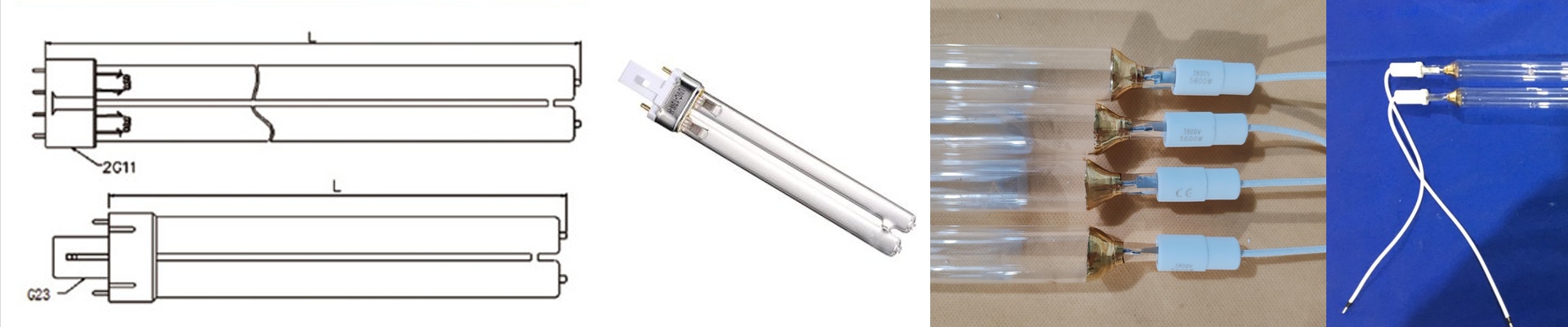
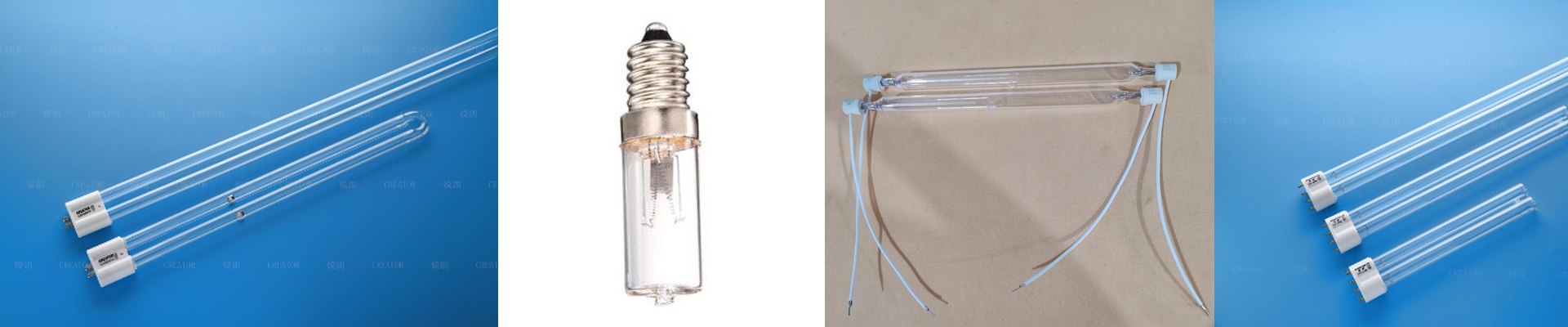
On the press floor, downtime and rework don’t just cost time—they eat margins. When the UV system isn’t pulling its weight, ink stays tacky, registration starts to drift, and the scrap pile grows. We built our 365nm UV curing lamp to cut those losses at the root: repeatable spectral output, shift after shift, with runtime you can count on. What matters under the hood This is a 365nm high-pressure mercury vapor lamp, built for industrial UV curing in offset, flexo, and screen. The spectrum is centered where the photoinitiators in common ink formulations absorb efficiently, so you get fast cross-linking without cooking the substrate. Peak irradiance stays steady thanks to a reflector with a dichroic coating and a stable arc gap, which keeps dose consistent at the web or substrate. In practice, that means fewer cure failures when you push speed, and less drift from one lamp warm-up to the next. Here’s why it holds up on real jobs We’re not just selling a lamp—we’re helping you tighten the process. With this unit, you get curing stability that supports higher press speeds and a tighter quality window. Energy use stays in check through efficient arc conversion and reflector design, lowering kWh per cured meter. Long lamp life cuts down on change-outs—units regularly exceed 5,000 hours with minimal output drop—so you carry less spare inventory, spend less labor, and log less downtime. That’s lower total cost of ownership and more predictable throughput. A few practical notes from the floor Match the lamp to the system. Output is only as stable as the power supply and reflector geometry allow, so stick with the specified ballast and make sure the focal plane is aligned to the substrate. Expect a brief warm-up to reach stable spectral output, and keep cooling in place to hold the arc tube temperature in range. The lamp runs ozone-free, but UV exposure still demands proper shielding and interlocks. For best results, confirm compatibility with your press model and validate cure with a radiometer at your actual line speed.