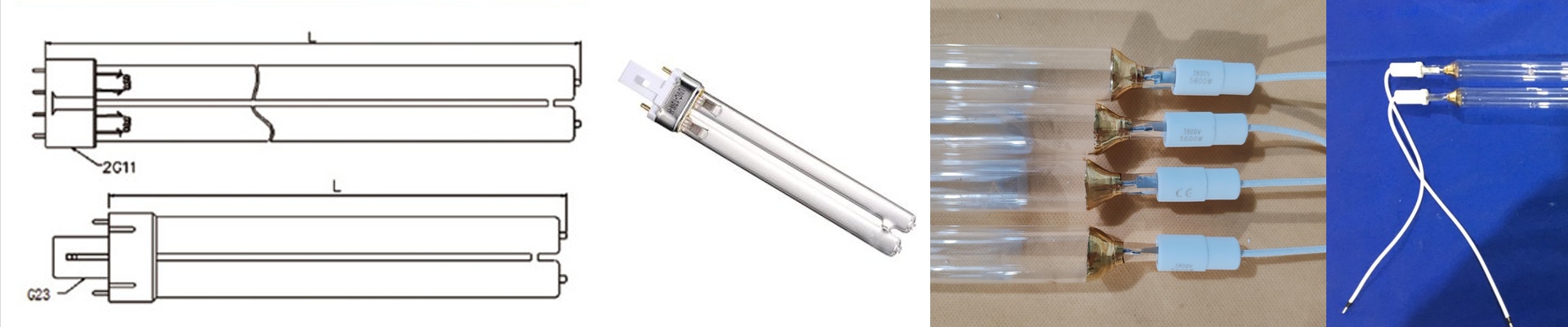
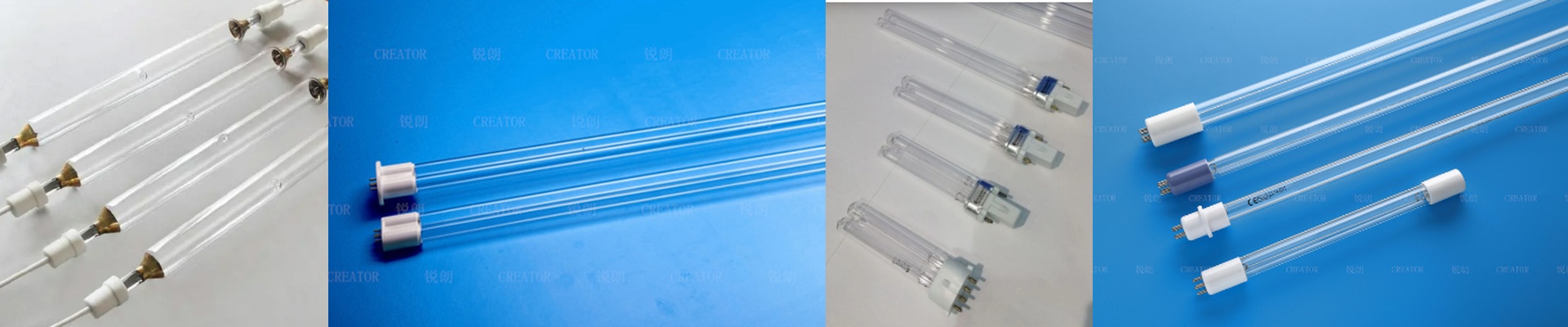
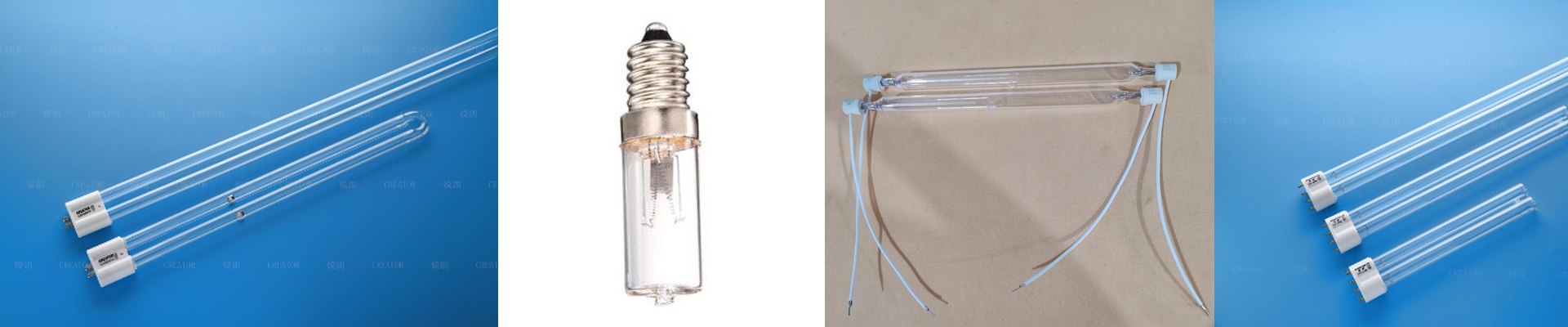
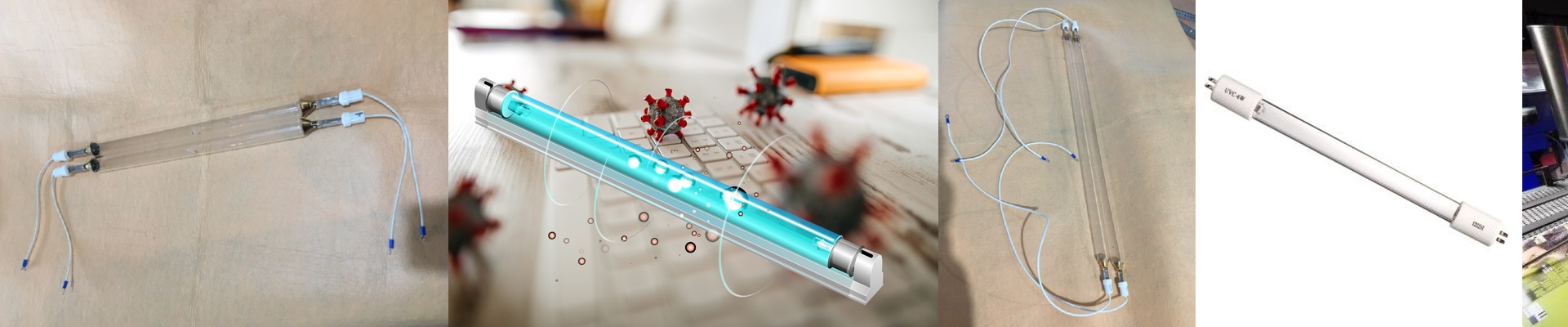
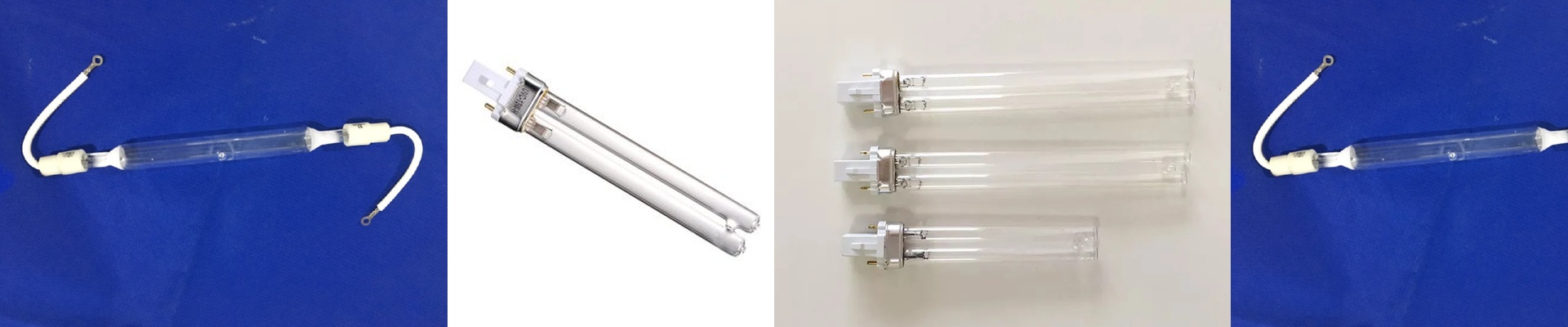
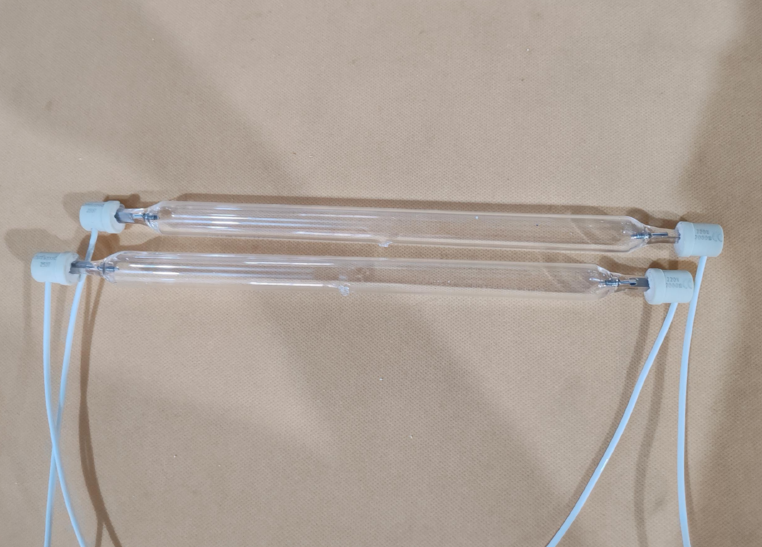
On the flexo floor, when you see pattern blur and feathered edges, you can almost always trace it back to the same issue: the UV cure isn’t complete, or it’s drifting. If lamp output isn’t steady, the photoinitiators in the ink don’t fully react, and that dot gain you’re looking at is just uncured ink on the move. A high-stability UV lamp shuts that down at the source. What actually matters under the hood We tune the spectral output around 365nm and 420nm because those wavelengths line up with the absorption windows of the acrylate photoinitiators in most flexo UV inks. 365nm drives deep cross-linking, which gives you toughness. 420nm penetrates a bit deeper and evens out the surface-to-bottom cure, which cuts down on oxygen inhibition at the film interface. Stability, in practice, means the lamp holds consistent peak irradiance and spectral distribution over time, so the curing energy density (mJ/cm²) hitting the web is repeatable, job after job. A stable arc, a dichroic-coated reflector, and tight control of the junction temperature keep output flat. That prevents the gradual drop that forces you to slow the press or chase color. Why this matters on a label press Label flexo means thin films, foils, and coated papers, running fast with registration that has to be tight. When the UV system is stable, dot edges stay clean because the ink cures inside the dwell window, not after it smears. You can hold finer screens, cut down on ghosting, and keep color density consistent from start to finish. The payoff is fewer scrapped rolls, less make-ready, and predictable press behavior when you push for higher speed. What you need to get right on the floor Matching wavelength is only half the equation. The lamp has to fit your curing module—arc length, geometry, and airflow profile. Some presses run hotter at the dryer, so confirm the lamp’s operating window, connector type, and ozone management actually match your machine. Plan for reflector cleanliness and schedule intensity checks. Even the most stable lamp will underperform if the reflector coating degrades or the curing chamber is out of alignment.