Stop Just Swapping Bulbs: The Truth About UV Curing
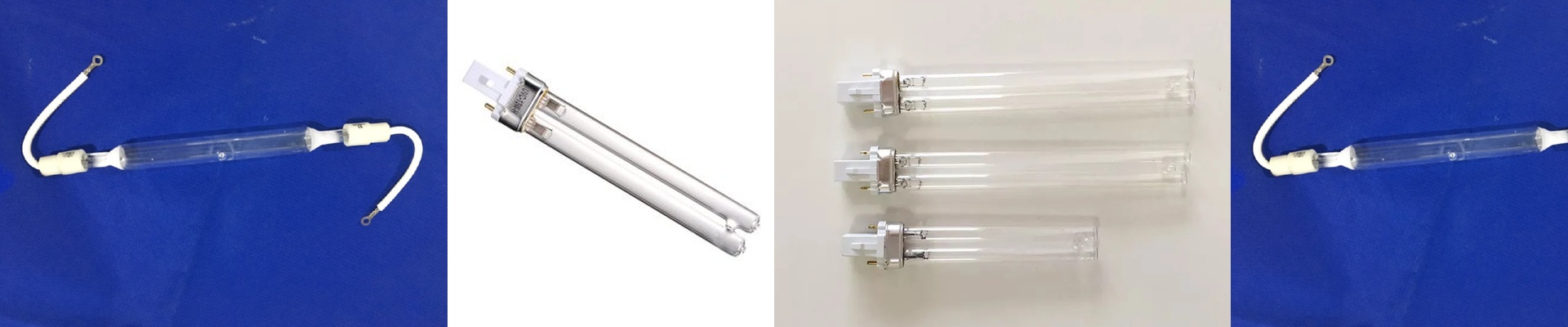
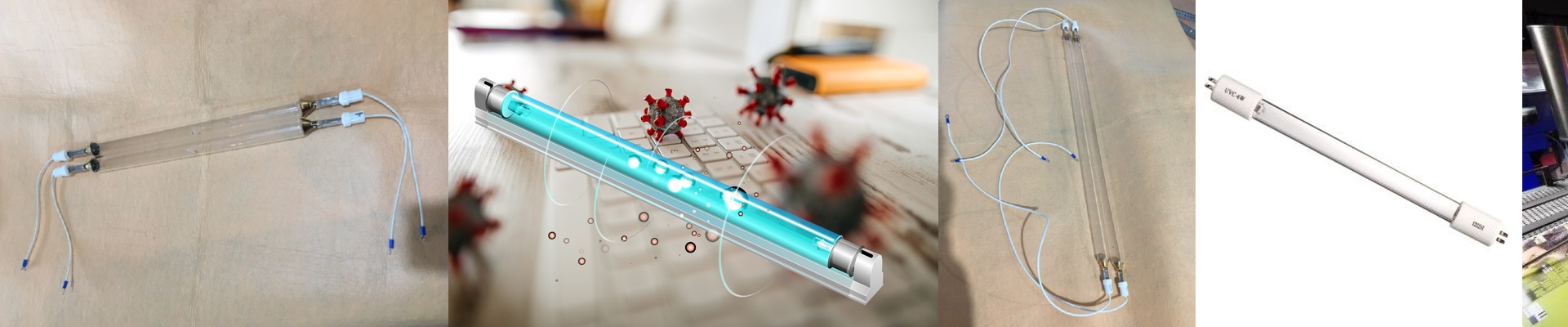
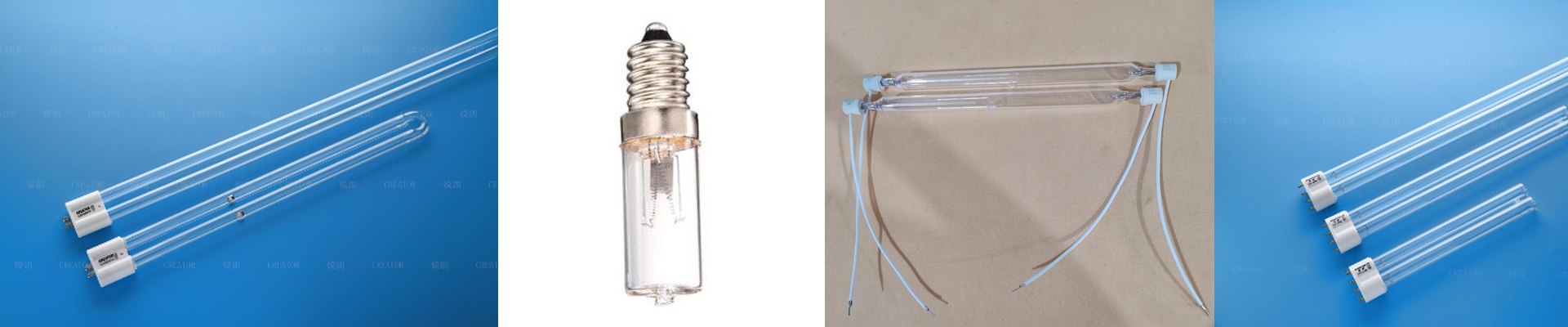
Most people shopping for UV lamps in China are just hunting for a cheap part to plug in and forget about. But here’s the thing: a lamp isn’t just a spare part. It’s the heart of your entire line. If your ink is bubbling or your coating feels sticky, just popping in a new bulb is like putting a new tire on a car with a broken axle. It doesn’t fix the actual problem.
It’s all about the physics
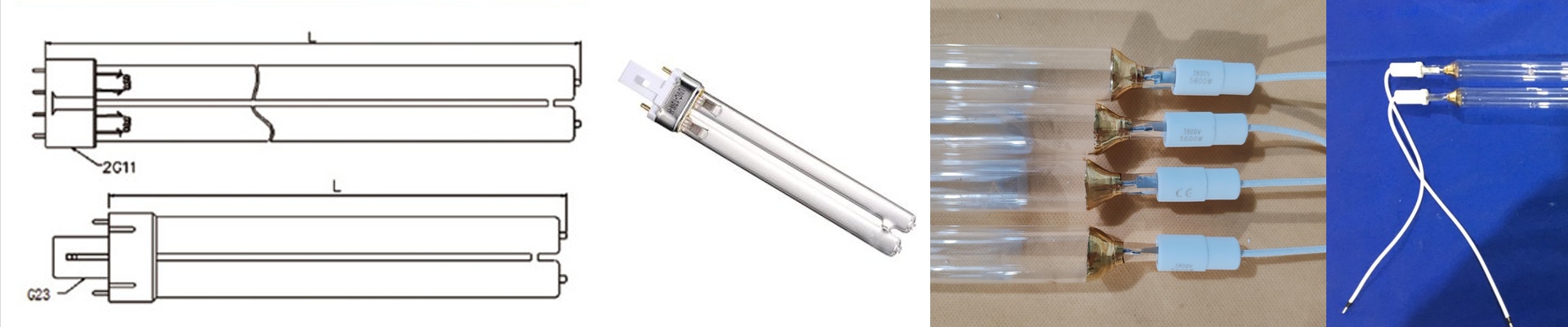
Curing speed comes down to how much energy actually hits your product. We don’t just guess; we look at the specific wavelength your photoinitiators need. Some jobs need UVC to snap the surface shut, while others need UVA to soak deep into the pigments. If the wattage and voltage don’t play nice with your ballast, you’re just wasting electricity. And watch out for the heat. If you cram too many watts into a short tube, things get hot. Fast. You might end up scorching your material or warping the whole piece. You’ve got to find that perfect rhythm between the power output and how fast your conveyor is moving.
The stuff people forget
We don’t just throw tubes in a box and ship them. We care about how you’ve actually wired things up. Think about your connectors and reflectors. If those reflectors are off by even a little bit, you get “cold spots.” You’ll pull a print off the line and find a tacky patch that just won’t dry. That’s not a lamp problem—that’s a setup problem.
The balancing act: Power vs. Life
Here is the trade-off. You can push your lamps to the absolute limit to get lightning-fast cure times, but your electrodes will take a beating. Your lamps will burn out way faster. It’s a bit of a headache. Do you want raw speed, or do you want to stop replacing bulbs every two weeks? We spend our time helping you find that “sweet spot.” It’s about keeping your production moving without spending your whole budget on replacements. That’s why talking through the technical side beats just buying a part from a catalog.