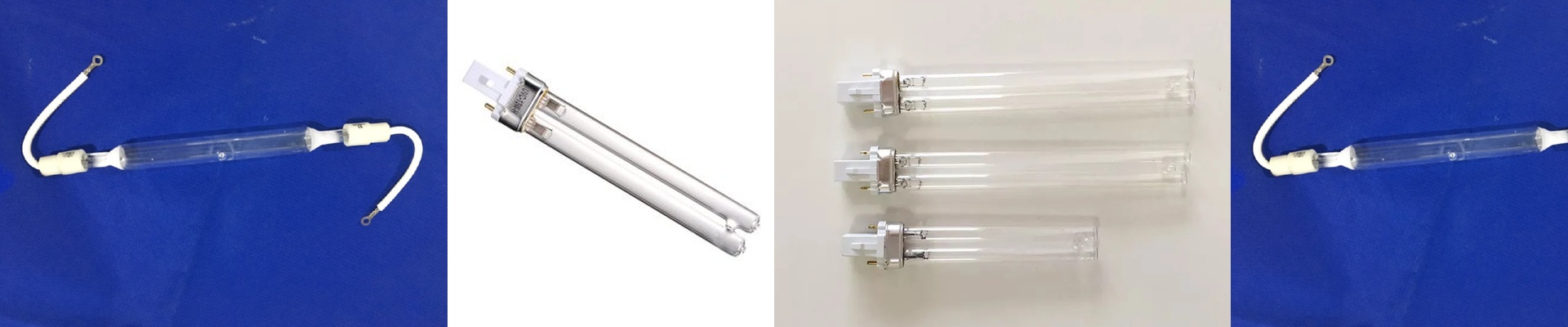
Getting UV Curing Right on Your Printing Line
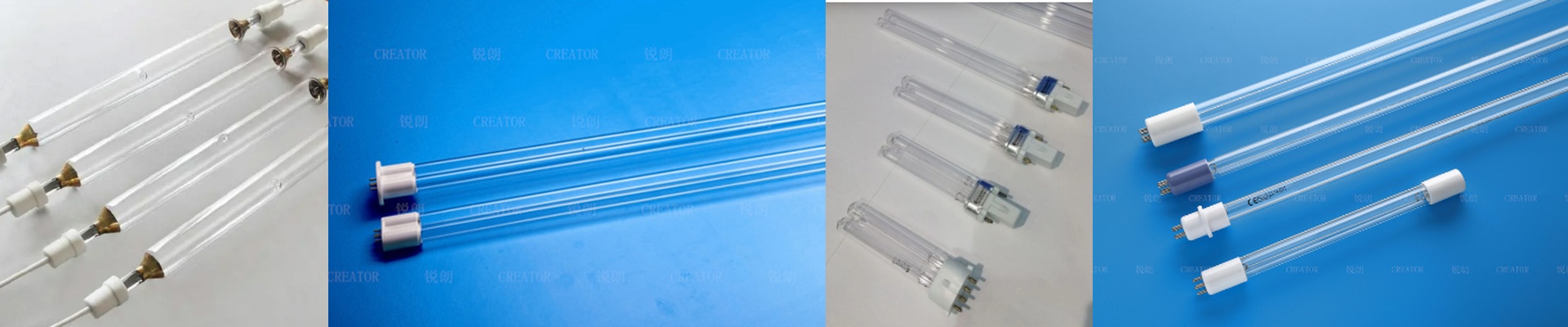
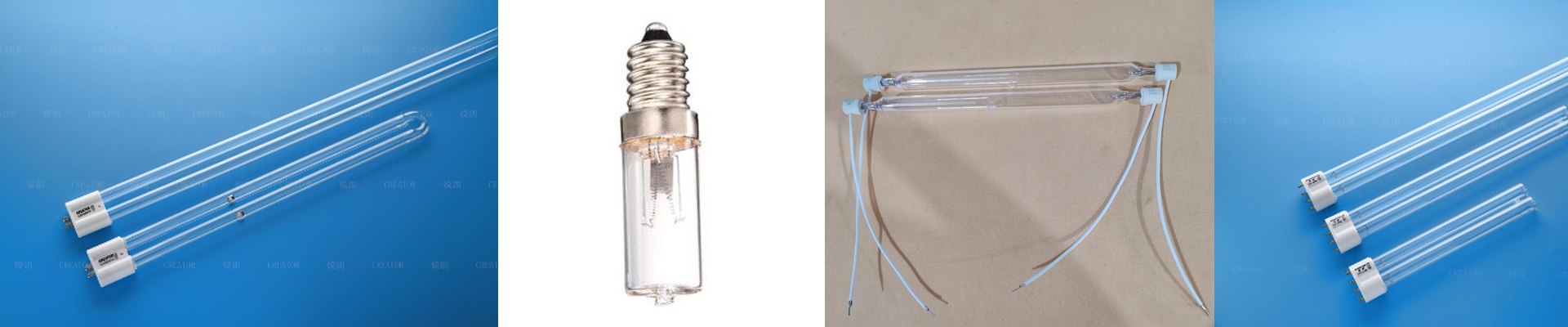
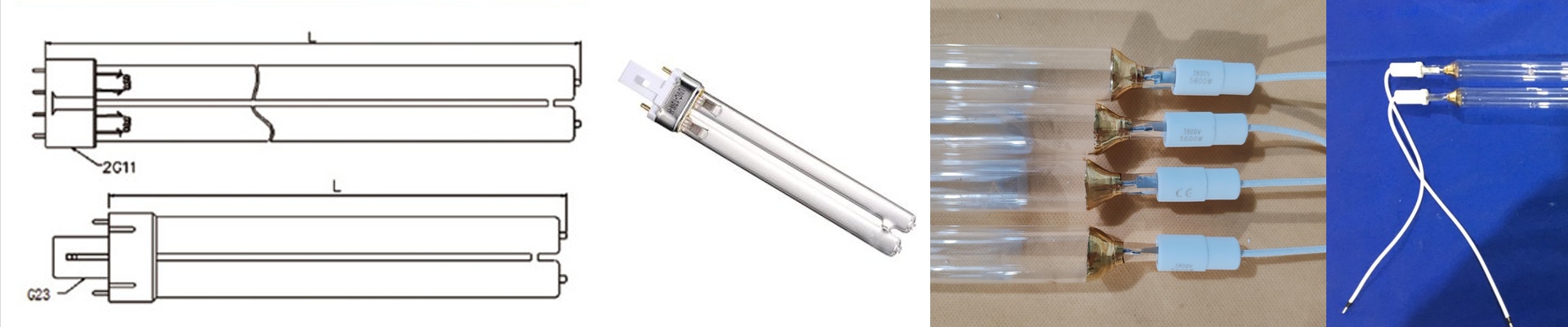
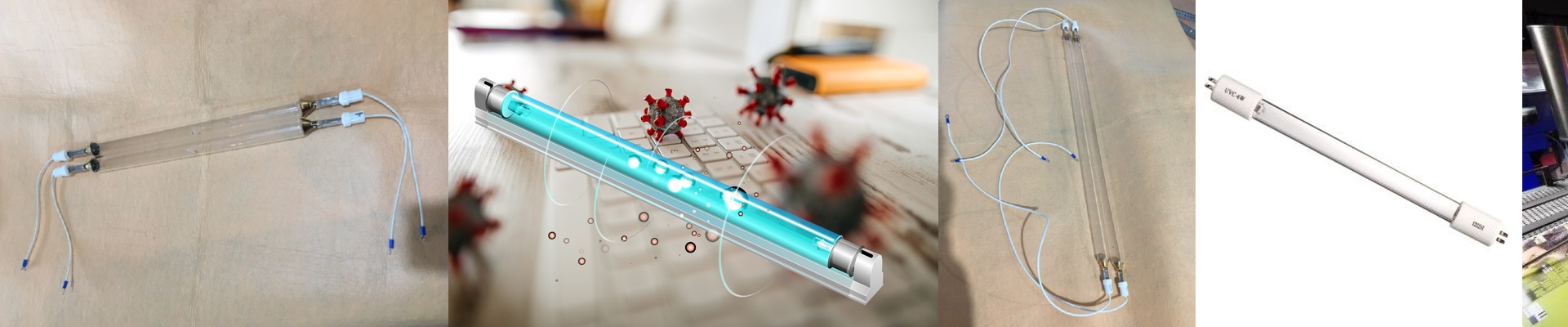
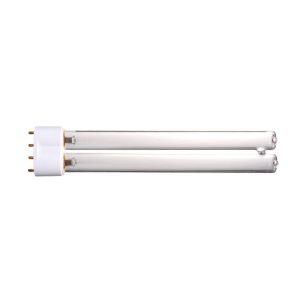
We spent some time visiting about 3,000 printing plants, and the same problems kept popping up. Most shops are fighting a losing battle with substrates that warp from the heat or ink that just isn’t curing all the way through. For a long time, the “solution” was just to crank up the wattage. But that’s a mistake. We found that the real secret isn’t more power—it’s about controlling exactly how much light hits the surface. The battle between speed and heat When you’re running a high-speed line, you need that ink to set now. We aim for a very specific power density at the surface of the material. But here’s the catch: more power in a small space creates a massive heat bottleneck. If you throw a high-wattage mercury lamp at a thin piece of PET film without a proper cooling jacket, you’re going to warp your product. It’s a nightmare. We fix this by balancing the UV output with forced-air cooling. It keeps the material cool enough to stay flat, but the ink gets exactly what it needs to dry. Picking the right hardware Depending on your ink, you’ll want either Gallium-doped bulbs or UV-LEDs. Gallium is great when you need that surface to be rock hard. LEDs are the way to go if your materials are sensitive to heat. We also use reinforced quartz glass. Why? Because printing halls are dusty and messy, and that grime kills bulbs early. And we kept the electrical side simple. We use standard connectors. No proprietary nonsense. If a tube pops mid-shift, you can just swap it out and get back to work without calling in a specialist. Making it all play nice The trickiest part is the timing. Your lamps have to be perfectly synced with the conveyor. If the line slows down and the lamp stays at full blast, you’ll over-cure the ink. That makes it brittle, and then it cracks. To stop this, you need sensors that adjust the power in real-time. It makes the control board a bit more complex, sure, but it’s a lot cheaper than throwing away a thousand ruined sheets. One last thing: these systems are power-hungry. If your plant has voltage spikes, your ballasts will fry. Make sure your power conditioning is solid before you try to scale up. It’ll save you a lot of headaches down the road.