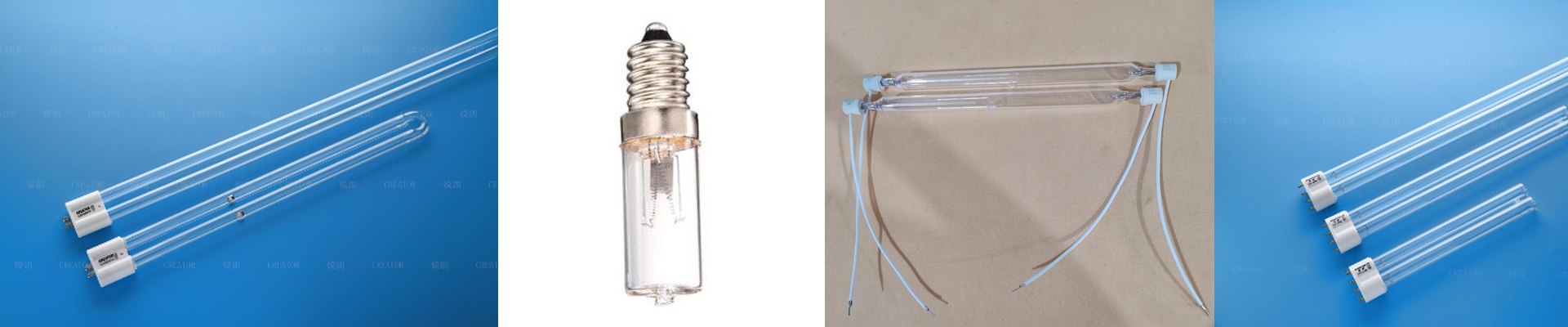
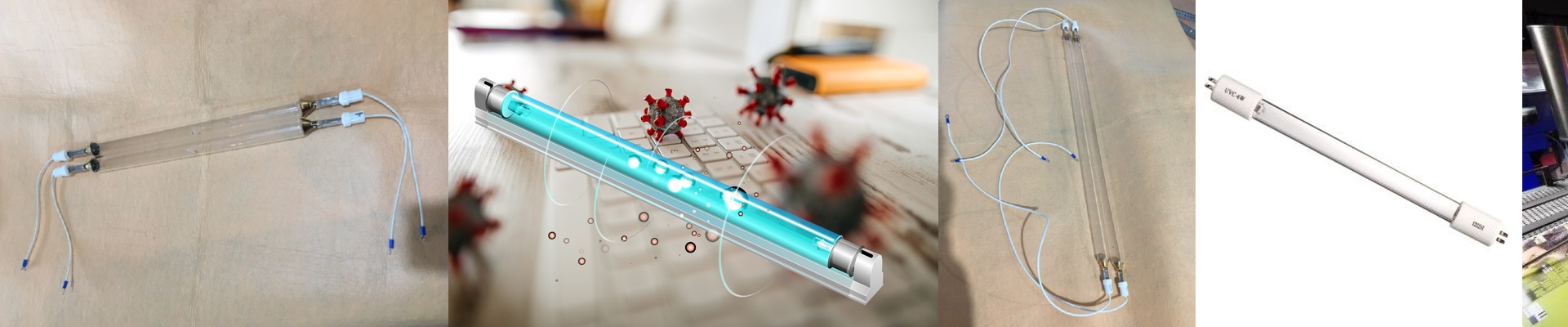
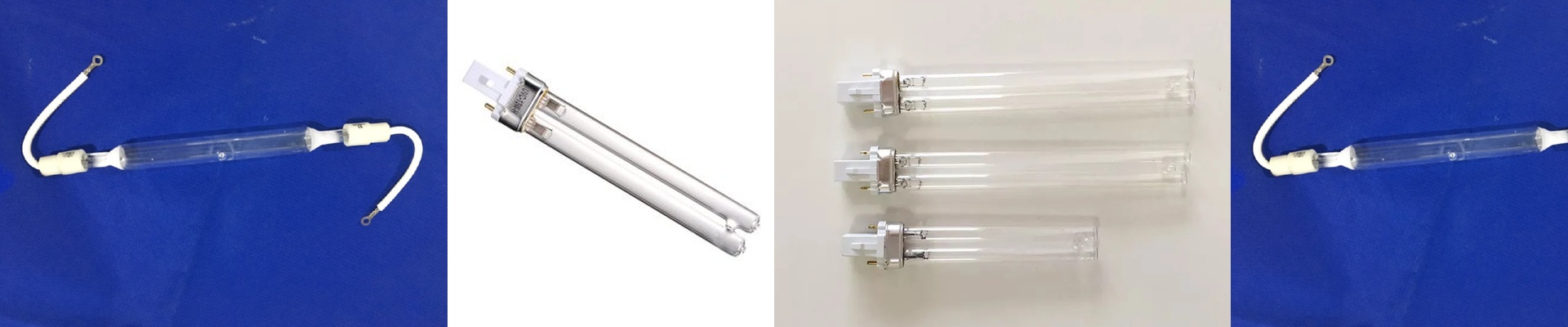
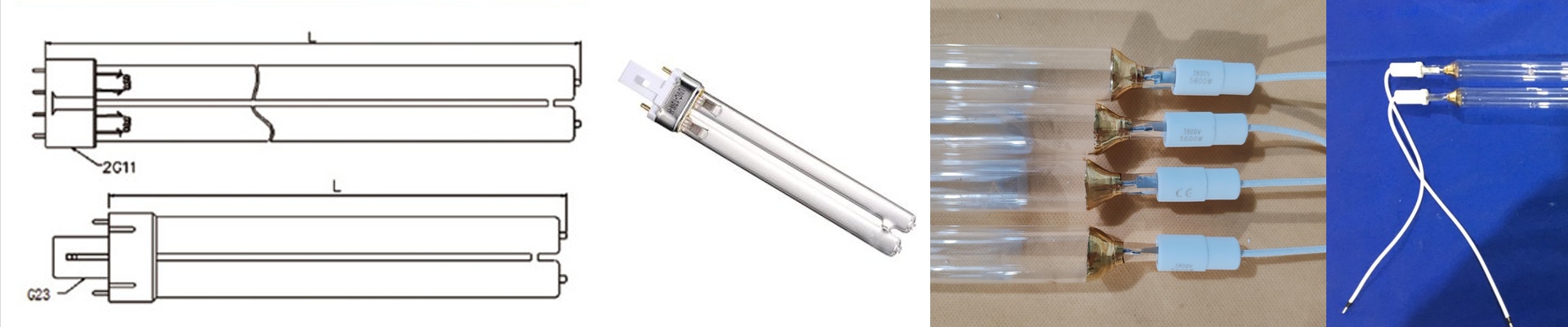
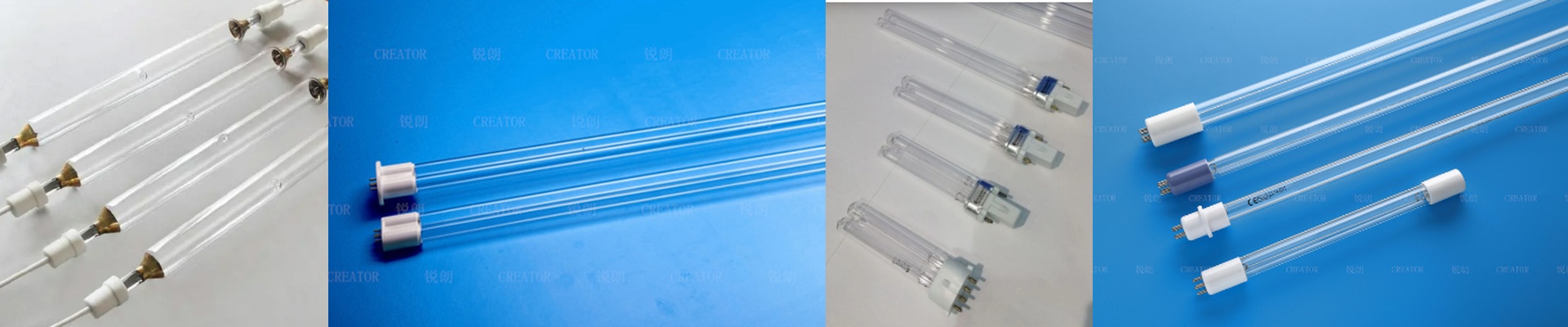
How Our Mercury UV Lamps Actually Work
Ever wonder what’s actually happening inside those lamps? It’s pretty wild. We basically take electrical energy and flip it into short-wave ultraviolet radiation—specifically hitting that 254nm sweet spot. That energy slams into your UV-curable inks and snaps the chemical bonds. In a fraction of a second, your wet coating turns into a hard, solid film. It’s nearly instant.
The Heat Struggle
We build these lamps with high wattage because, let’s be honest, nobody wants a slow production line. If you’re running thick ink or your press is flying, you need massive irradiance. But here’s the catch:heat. These tubes pump out a ton of infrared radiation along with the UV. If your cooling system can’t keep up, you’re looking at warped materials or a bulb that burns out way too soon. It’s a balancing act.
Quartz and Gas
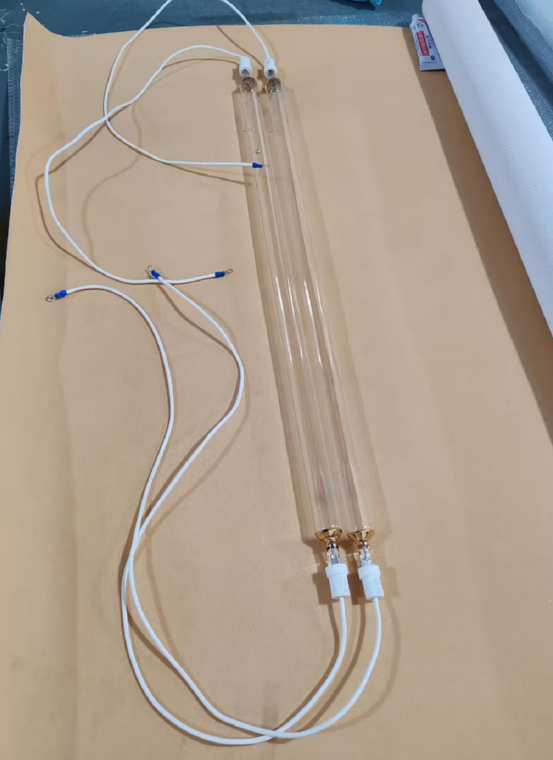
You won’t find regular glass here. Standard glass just blocks UV light, so we use high-purity fused quartz. It lets the light fly right through. Inside, we carefully calibrate the mercury vapor pressure to fit the size of the tube. This keeps the arc stable. Depending on what you’re curing, we can tweak the coatings to give you a broad spectrum or a sharp, concentrated peak.
Getting Them Installed
We designed these to be simple drop-in replacements. No headache. We spend a lot of time on the electrode interface because nobody wants to deal with arcing at the ends of the tube. One pro tip: make sure the fit in the reflector is tight. If it’s loose, you’re wasting energy and you’ll end up with “cold spots” on your print. These tools are built for the grit of the shop floor. They’re meant to take a beating in 24/7 environments. Just do me a favor—keep your reflectors clean and your ballasts tuned. If you don’t, you’ll notice your curing speed start to dip.