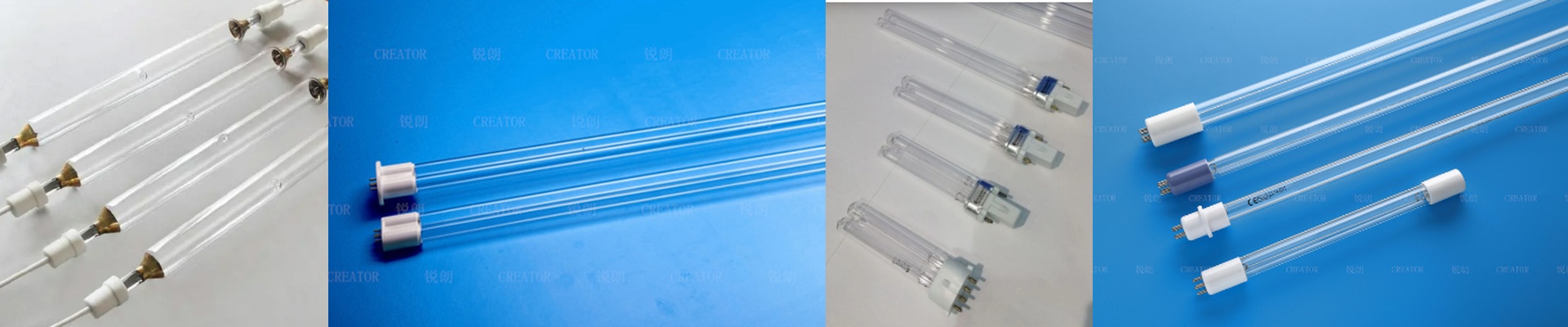
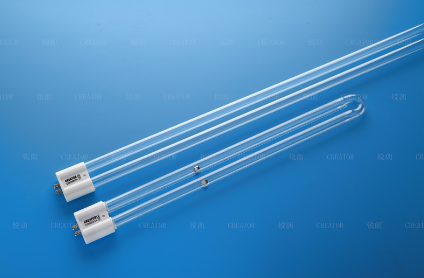
Getting the Most Out of Your 120W/cm Mercury UV Lamp
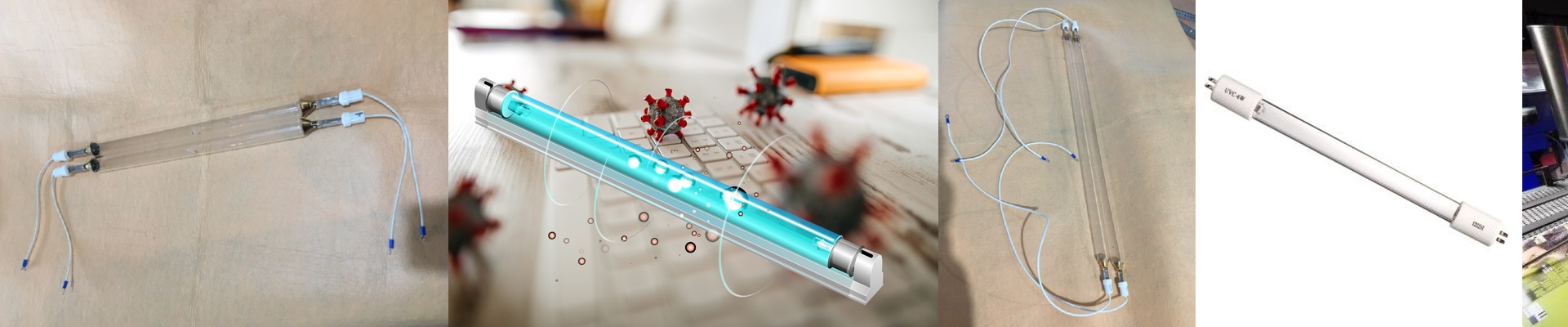
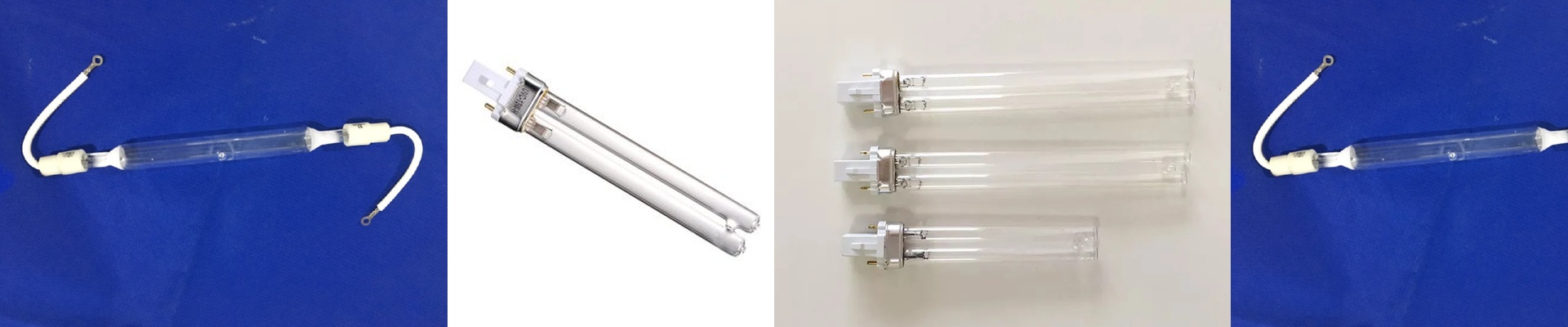
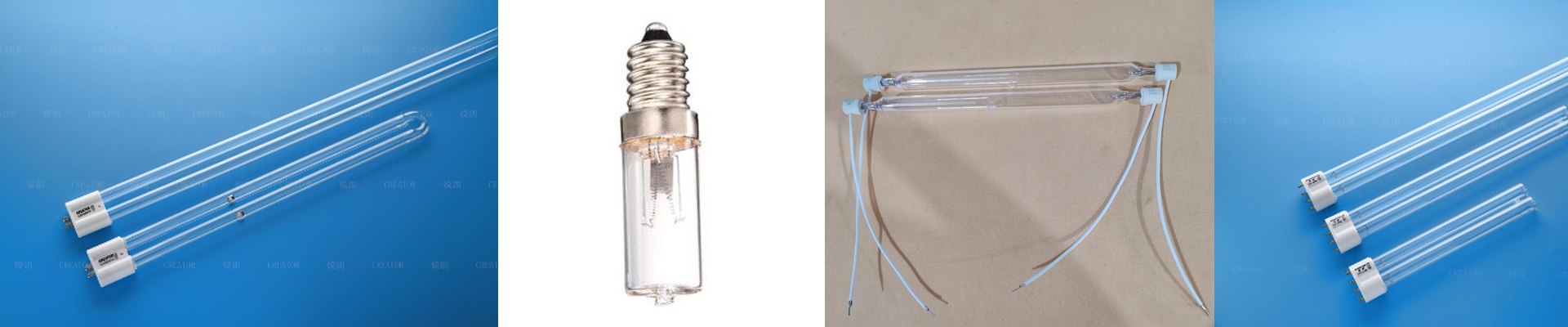
If you’ve been in the curing game for any length of time, you know that mercury vapor lamps are the real workhorses. They just get the job done. We built our 120W/cm lamps to be that reliable, high-intensity tool you can count on for photopolymerization and drying without having to second-guess the output.
The Balancing Act: Power vs. Heat
120W/cm is a bit of a sweet spot. It’s plenty of juice to trigger that rapid cross-linking in your inks and coatings, but it isn’t so aggressive that it’ll fry your substrate the second it passes under the lamp. To make this work, we use high-purity quartz glass. It doesn’t just hold the mercury arc; it handles the heat expansion and lets those short-wave UV rays slide right through without getting absorbed. But here is the catch: you have to manage the heat. At this power level, these tubes get hot. Really hot. If your conveyor is crawling or your air cooling is weak, you’re going to end up scorching your product or killing your lamp life way sooner than you should. Keep the air moving.
What’s Actually Happening Inside?
Inside the tube, we’ve dialed in a specific mix of mercury and argon gas. Once you hit it with the ignition voltage, the mercury vaporizes and creates a plasma discharge. This gives you those strong peaks at 254nm and 365nm. If you’re using standard industry photoinitiators, these are exactly the wavelengths you’re looking for. It’s simple, effective chemistry.
Fitting Them Into Your Setup
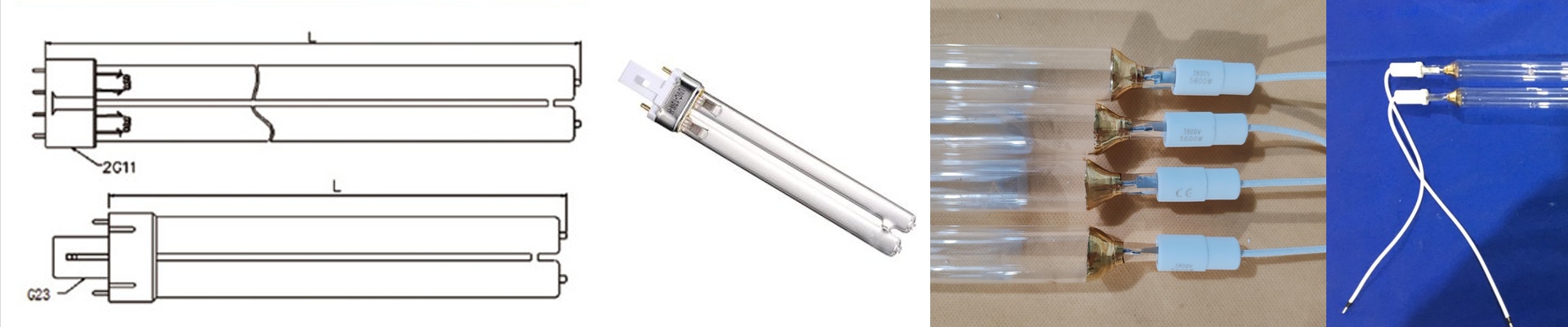
We handle everything ourselves—from the quartz tubing right down to the electrode assembly. Why? Because it cuts out the middleman. You don’t have to pay those annoying “branded” markups just to keep your line running. Plus, these are designed to be drop-in replacements, so you aren’t spending your afternoon rebuilding your system. A quick tip: make sure your ballast is stable. If your voltage jumps around, the arc will flicker, and you’ll burn through your electrodes way too fast. We also keep the end-cap dimensions tight. It means they snap securely into your existing reflectors, pushing the UV light straight down onto the product where it belongs, instead of wasting energy heating up the sides of your machine.