Why Your UV Bulbs Are More Than Just Glass and Gas
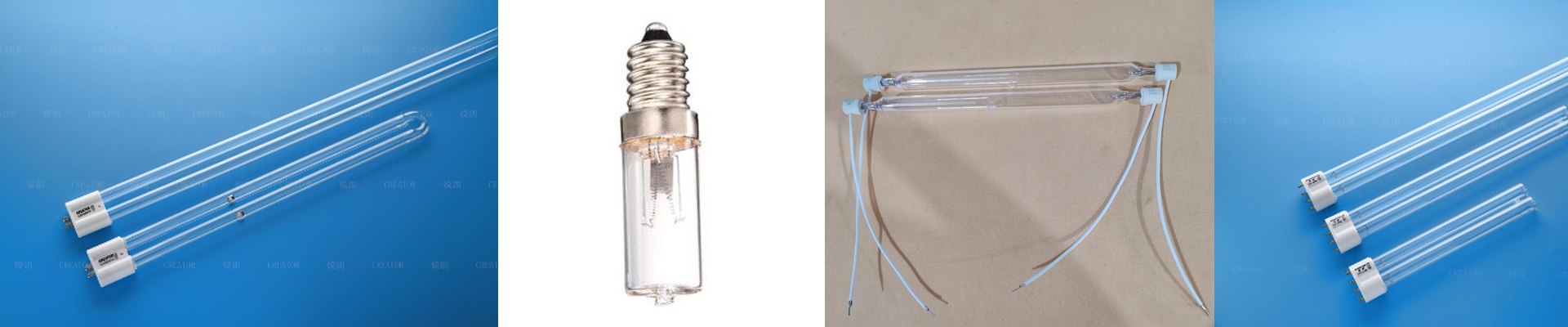
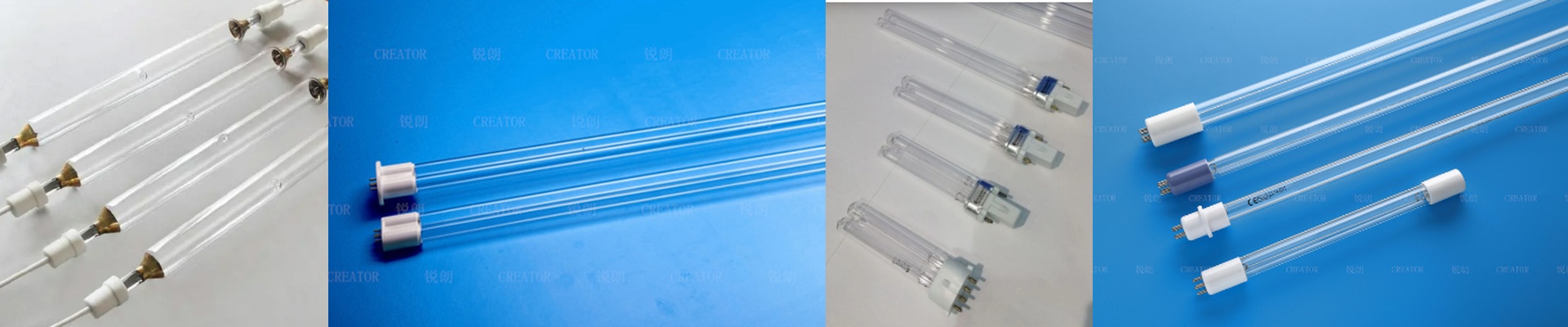
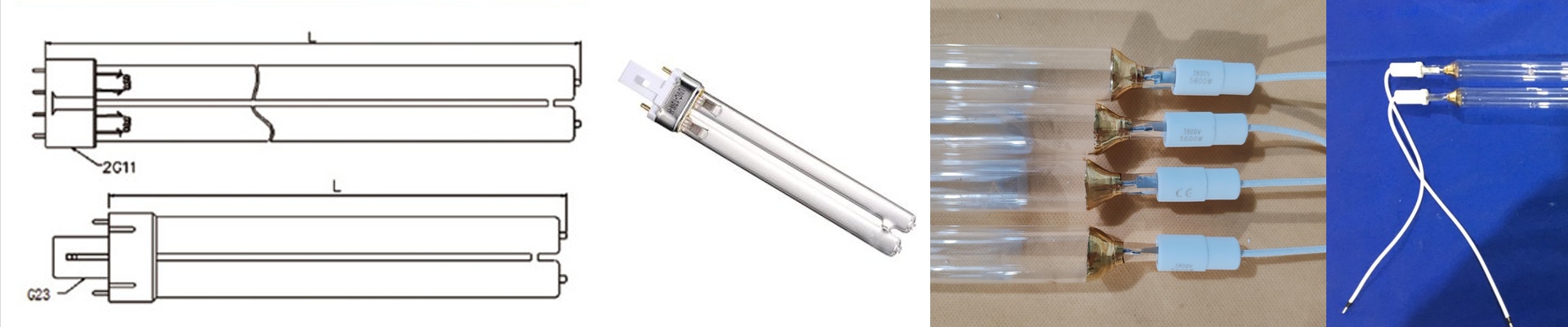
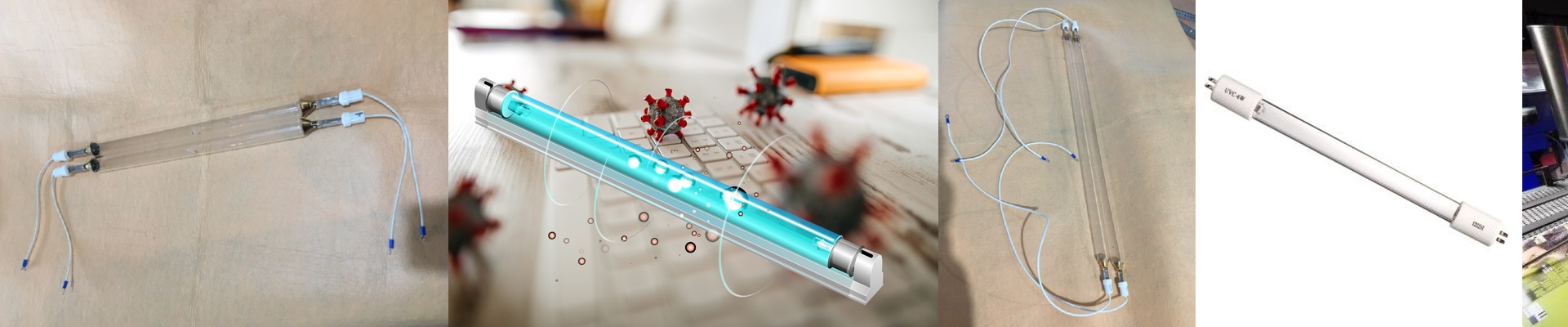
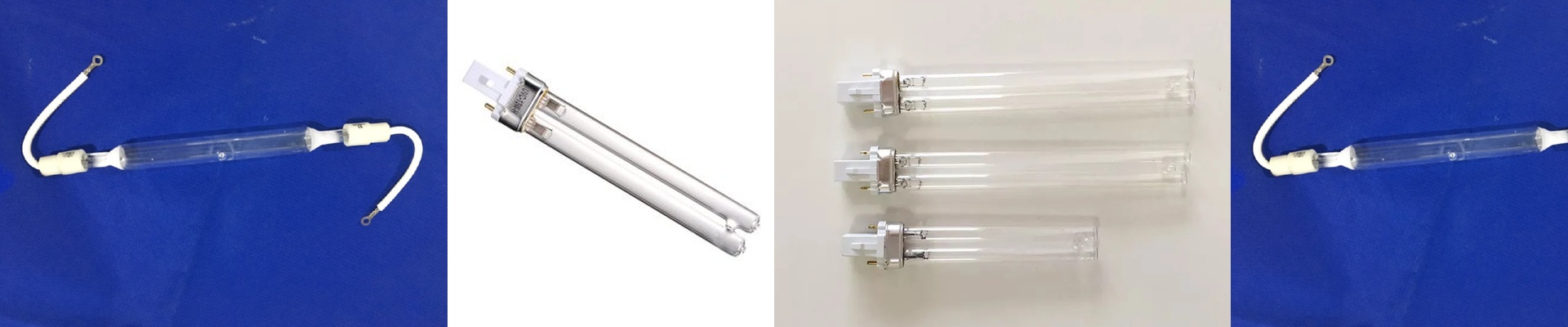
Let’s talk about mercury UV curing bulbs. In the world of industrial drying and coating, these things are the real workhorses. They take electrical energy and turn it into short-wave UV radiation, which is what actually makes those photo-curable resins harden. But if you’re an engineer shipping machinery overseas, the technical specs are only half the story. There’s something else you need to worry about: the legal side of the hardware.
Getting the Light Right
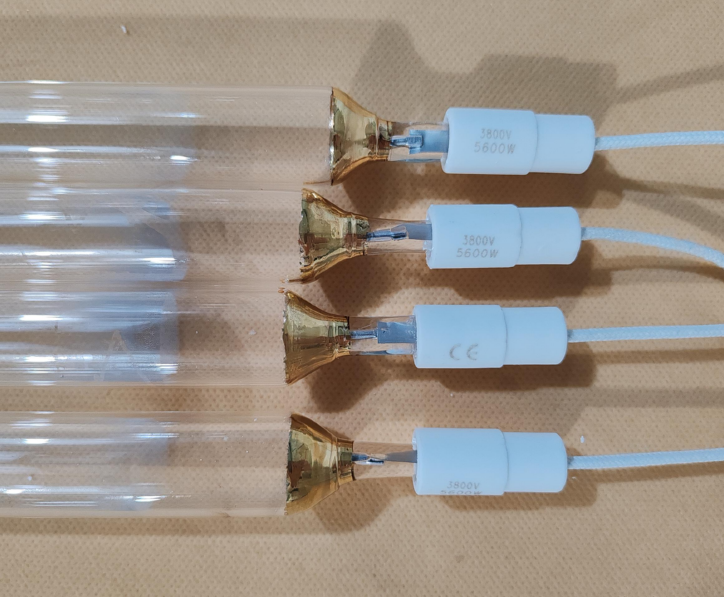
Making these bulbs isn’t just about filling a tube with gas. It’s a balancing act. You need the right gas mix and the perfect quartz thickness to keep the arc stable. We tune our bulbs to hit specific peaks—usually around 254nm or 365nm—depending on what you’re actually trying to cure. And if you’re running a high-wattage line, you can’t afford a bulb that pops the second you crank up the voltage. That’s why we use high-purity fused quartz. It stops the glass from clouding over or turning “solarized” after a few hundred hours of hard work. It just stays clear. Which means it keeps working.
The Customs Headache
Here is the part people often overlook. When you ship a curing system across a border, customs agents and competitors are looking closely at your light source. If your bulbs use a generic design that steps on someone else’s patent, your entire shipment could be seized. It happens more often than you’d think. It’s a total nightmare. By using bulbs from a supplier with their own independent patents, you basically buy yourself peace of mind. You aren’t just paying for a lamp; you’re making sure you can actually sell your machine in a foreign market without some lawyer sending you a cease-and-desist order.
Dealing with the Heat
Now, let’s be honest: no bulb is perfect. High-intensity mercury lamps put out a ton of infrared heat along with the UV. If your cooling fans aren’t up to the task, that quartz envelope is going to crack from the thermal shock. You have to find that sweet spot between the wattage and how much heat your machine can actually move. If you get that balance wrong, your lamps are going to fail way sooner than they should.