Better UV Lamps for the Little Guys
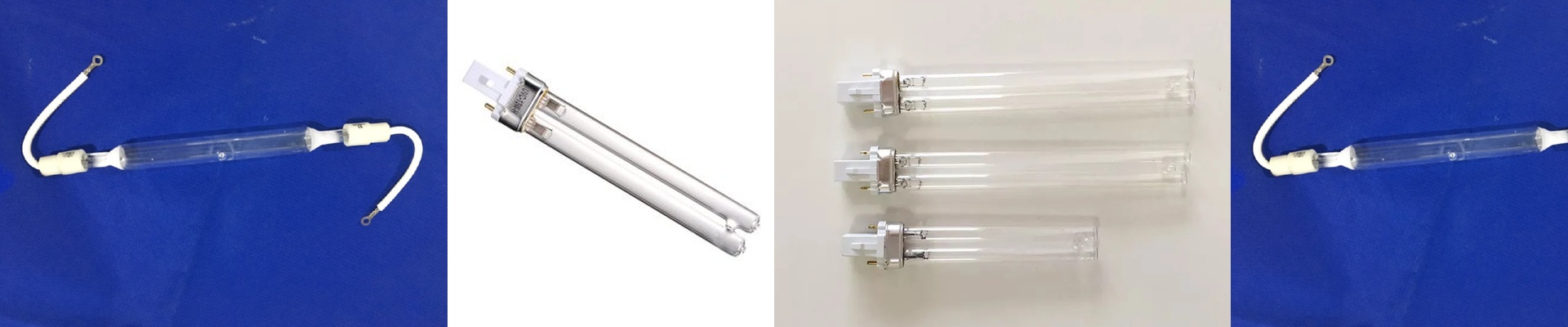
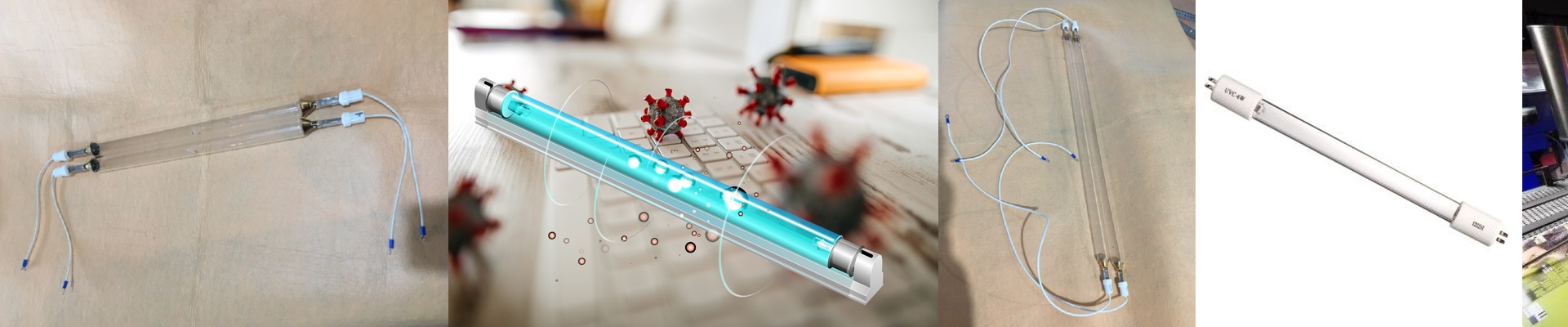
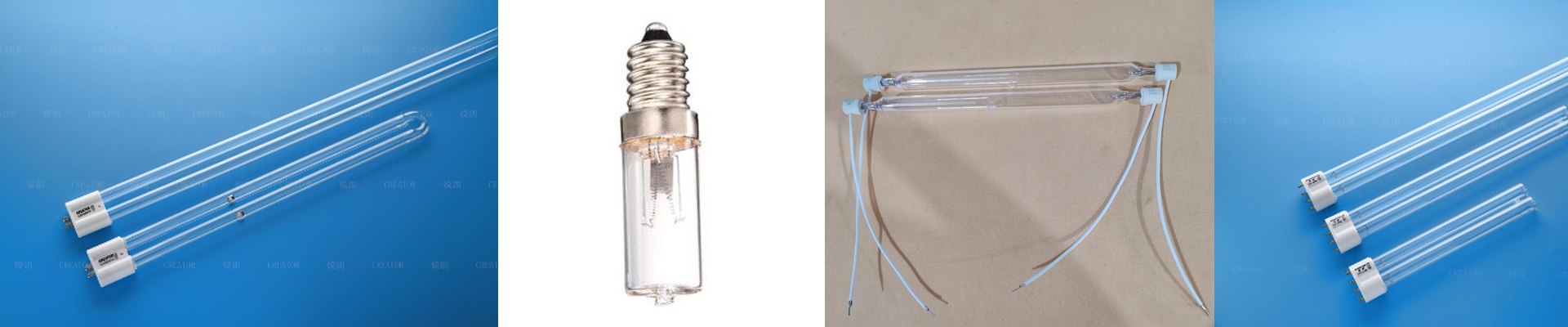
Let’s be honest: high-end UV curing gear is ridiculously expensive. Most small or mid-sized print shops get priced out before they even start. We hate that. So, we started building custom UV lamps to fill that gap. The goal is simple: get you professional curing power without the “big brand” price tag.
Getting the Specs Right
UV curing isn’t a “plug and play” situation. You can’t just buy a random lamp and hope for the best. We look at your ink chemistry and how fast your line is moving to figure out the right wattage and wavelength. If you’re cranking out PET or textiles at high speeds, you need a serious punch of irradiance. Otherwise, your ink won’t set before the material moves on, and you’re left with a smeared mess. We tweak the tube length and power density so it actually fits your machine’s footprint. But here’s the thing: more wattage means more heat. If your cooling fans or water jackets can’t keep up, you’re going to warp your substrates. We’ll help you make sure your cooling can handle the load.
How We Build Them
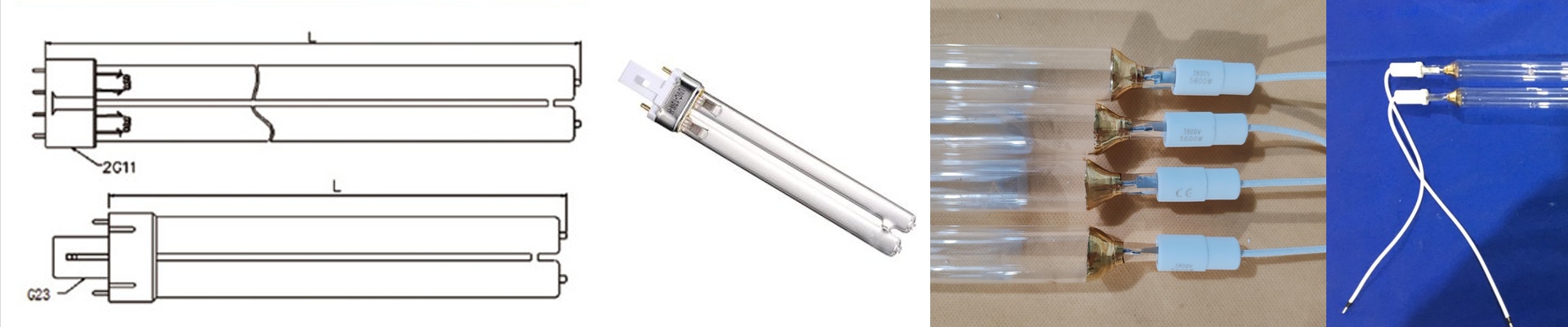
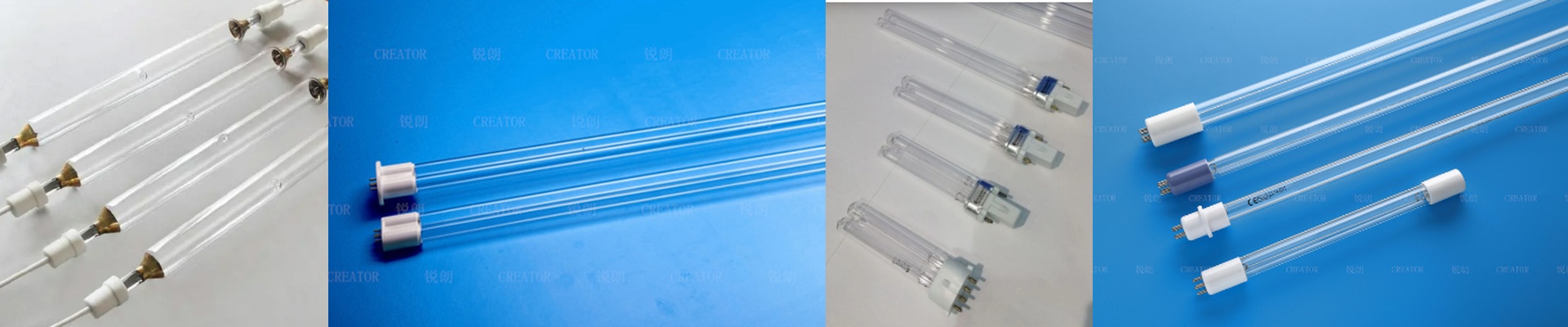
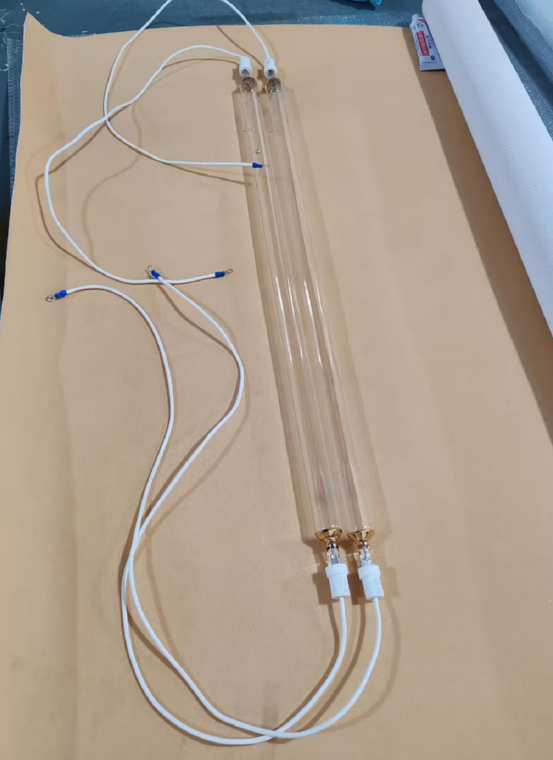
We use high-purity quartz glass. Why? Because it doesn’t soak up the UV rays, meaning more of that energy actually hits your ink. We also know shop environments are messy. There’s dust, vibration, and a lot of wear and tear. That’s why we avoid generic, flimsy parts. We use components that can take a beating. Plus, we offer different connector types so these lamps just slide right into your existing rigs. No hacking or jury-rigging required.
Making It Work in Your Shop
These lamps are a lifesaver if you switch between different styles or inks all the time. By customizing the spectral output, you can cure a bunch of different coatings without having to rip out your entire power supply. Wiring them up is easy. We give you the exact electrical requirements so you don’t accidentally fry your ballasts. One heads-up, though: if you run a high-output custom lamp at full blast 24/7, it’s going to wear out faster. It’s just physics. To get the most life out of your tubes, we recommend a staggered duty cycle. Give them a little breathing room, and they’ll last much longer.