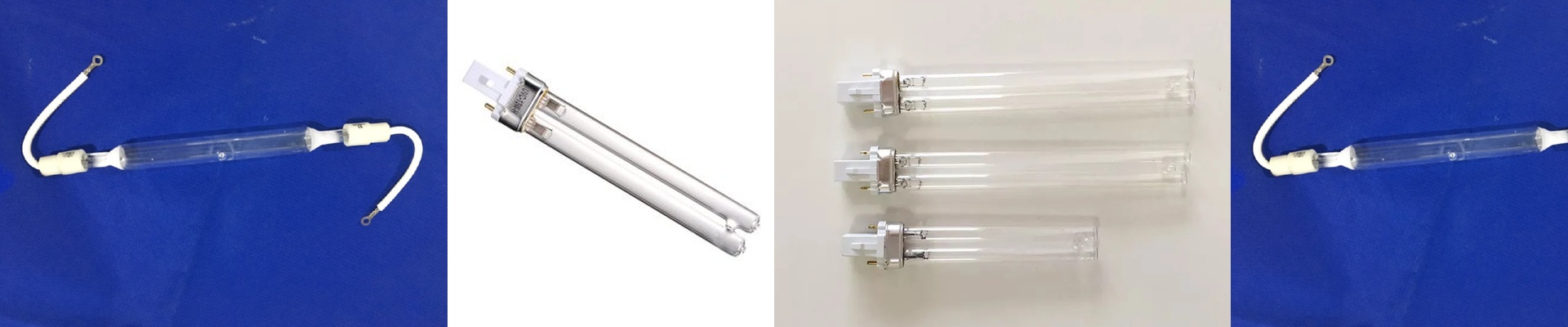
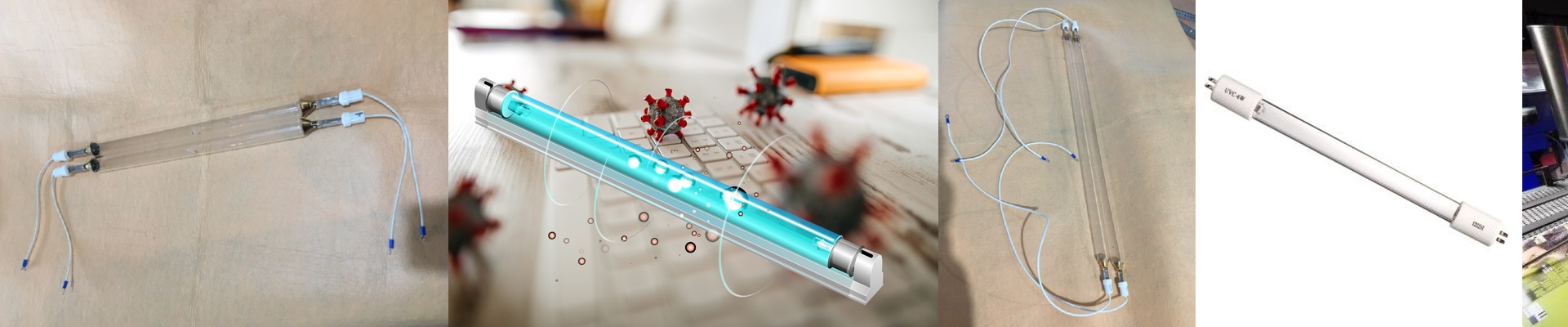
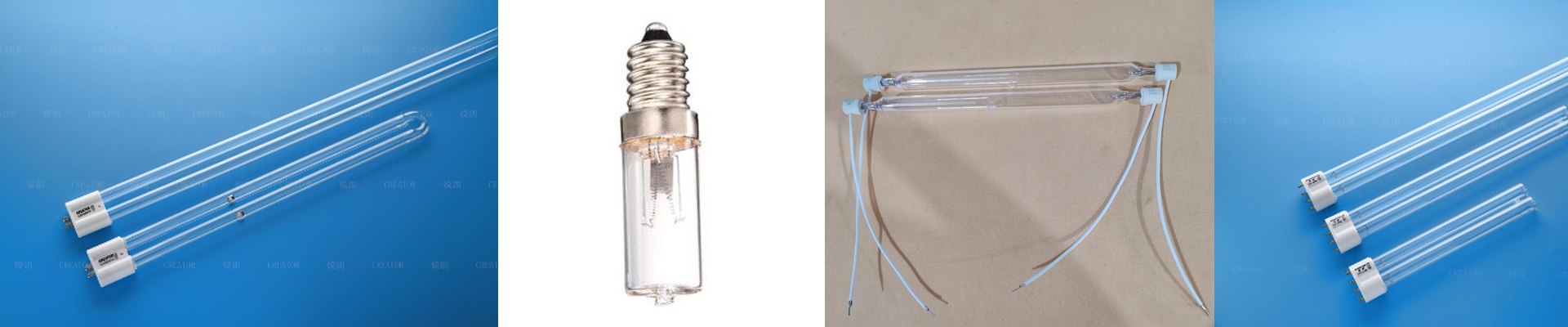
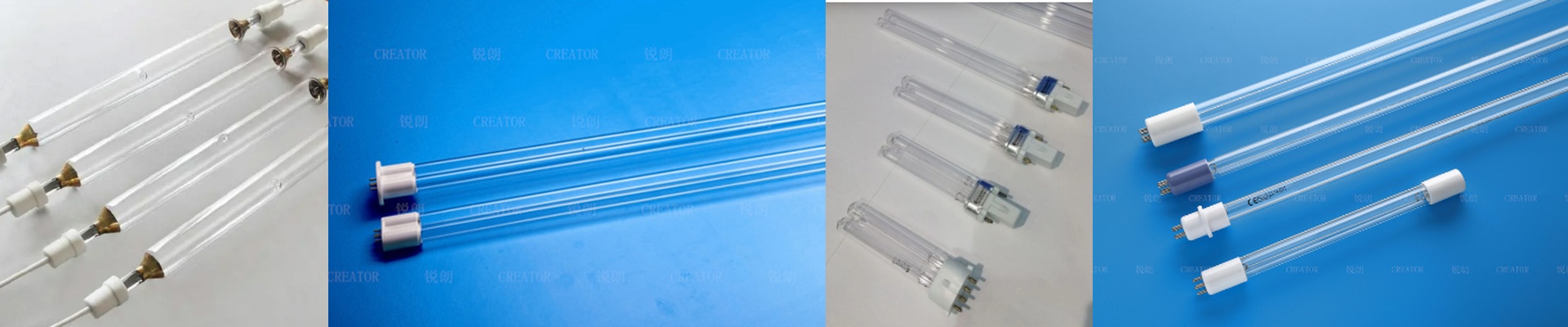
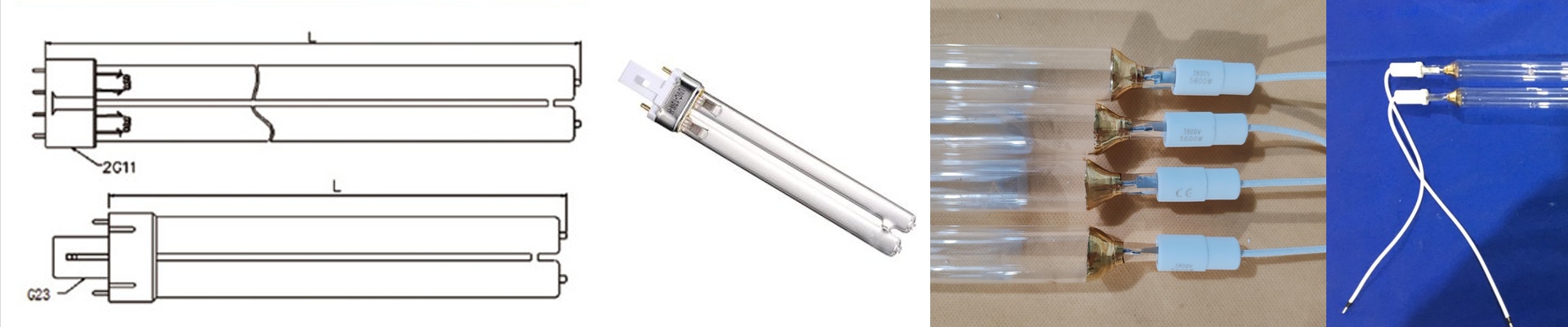
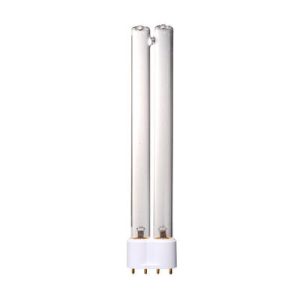
Getting More Value Out of Your UV Curing Lamps
Let’s be honest: UV curing lamps are the unsung heroes of the factory floor. They do all the heavy lifting for drying and bonding, but most people don’t think about them until one pops. When you’re shopping for these, you aren’t just buying a tube of glass—you’re paying for the purity of the quartz and how precisely those electrodes are placed. We decided to handle the entire production chain ourselves. Why? Because cutting out the middlemen does two things: it drops the price and it lets us tighten the screws on the spectral output.
Where the Cost Actually Comes From
Here is the thing about UV lamps: the price usually jumps because of “outsourced components.” One supplier hikes their price on silica, and suddenly your bill goes up. We stopped that cycle by doing everything in-house, from sourcing the raw quartz to the final gas fill. It keeps things steady. And we don’t cut corners on the materials, either. We use high-grade tungsten for the electrodes so your lamps don’t just give up the ghost the moment they hit high-voltage stress.
Making Things Fit (And Not Melting Your Product)
Custom setups can be a headache. You have to make sure the lamp’s wavelength actually plays nice with the photoinitiator in your ink or adhesive. If it doesn’t match, it just won’t cure. We can tweak the wattage and length to fit whatever conveyor footprint you’re already using. If you’re dealing with an old, clunky system and just need a drop-in replacement, we’ll match the original dimensions exactly. No hacking or modifying required. But a word of caution:watch your heat. It’s tempting to go for a higher wattage lamp to speed things up. But more power means more IR heat. If you’re working with thin PET or plastic film, you’ll warp the material before it even dries. Make sure your cooling fans can actually handle the thermal load of those high-output tubes.
Real-World Use and Upkeep
These lamps live in rough environments. That’s why we use reinforced end-caps—they keep the seal tight even when the machinery is vibrating like crazy. Wiring them up is a breeze, as long as your ballast matches the lamp’s operating current. We keep our focus on the raw technical stuff: a stable arc discharge and consistent UV-C/UV-B ratios. It sounds dry, but it’s what matters. It means your cure times stay exactly the same whether you’re on the first meter or the 1,000th meter of a run. No surprises.