Getting Your UV Curing Right: The Realities of High-Output Lamps
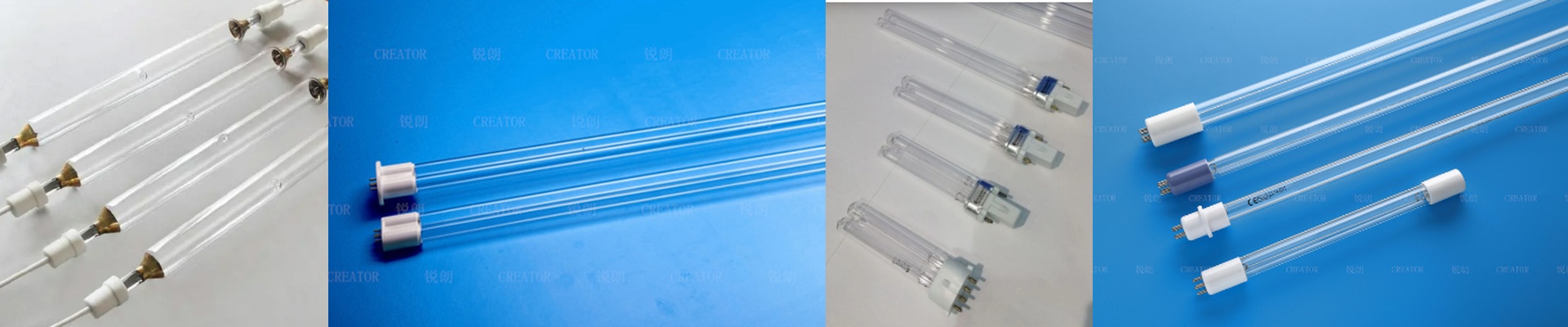
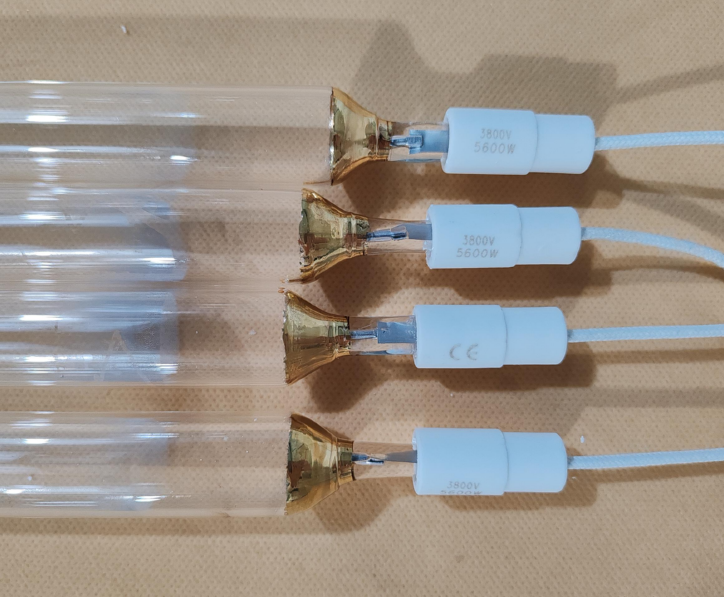
UV curing lamps are basically the heavy lifters of the factory floor. They take electricity and turn it into that intense radiation that sets glue or ink in a heartbeat. We’ve spent 15 years obsessing over the balance between raw power and heat management. Why? Because we wanted to build something that actually holds its own against the big-name global brands. The Tug-of-War Between Power and Heat When we’re designing a lamp for a high-speed line, it all comes down to power density. Here’s the deal: more wattage means you can crank up your conveyor speed. That’s great for your bottom line. But there’s a catch. All that power puts a massive amount of stress on the quartz tube. We spend a lot of time calibrating the voltage to keep the arc stable. If the voltage dips, you get “cold spots” where the curing just doesn’t happen. If it spikes? You’ll fry your electrodes. It’s a delicate balance. You’ve got to make sure your power supply and your lamp are speaking the same language, or you’re just asking for a premature breakdown. The Stuff That Actually Matters We use high-purity fused quartz. It sounds fancy, but it’s simple: we don’t want the glass absorbing the UV light. We want every single bit of that energy hitting your product. Then there are the connectors. We stick to the classics like R7s or SK15. Some people think these are just for convenience, but they’re actually about survival. A tight electrical connection means no arcing and no overheating. I’ve seen cheap, off-brand connectors literally melt when they’re pushed to a 100% duty cycle. Not a pretty sight. That’s why we build our housings to take a beating—because factories are messy, loud, and tough on gear. The Trade-off You Can’t Ignore These lamps are incredibly intense, which is exactly why they work. But that power comes with a price: heat. High-output systems pump out a lot of infrared radiation. You can’t just slide these into a machine and hope for the best. You have to look at your cooling setup. If your airflow is weak, the heat builds up fast. Before you know it, your coating is degrading or your substrate is warping. Trust me, proper venting isn’t a “nice to have.” It’s a must.