Why Lab-Grade Photochemistry Demands Spectrally Pure UV Lamps for Wood Coating R&D
When we’re picking out a UV curing lamp for wood coating work, we’re not just chasing light. We’re chasing a chemical reaction you can trust. In the lab, that means the lamp has to be pure—no noise, no extras, just the right wavelength. Standard commercial lamps? They bring in junk that throws your reaction kinetics off and wrecks batch-to-batch consistency.
Power, Voltage, and Size: The Details That Matter
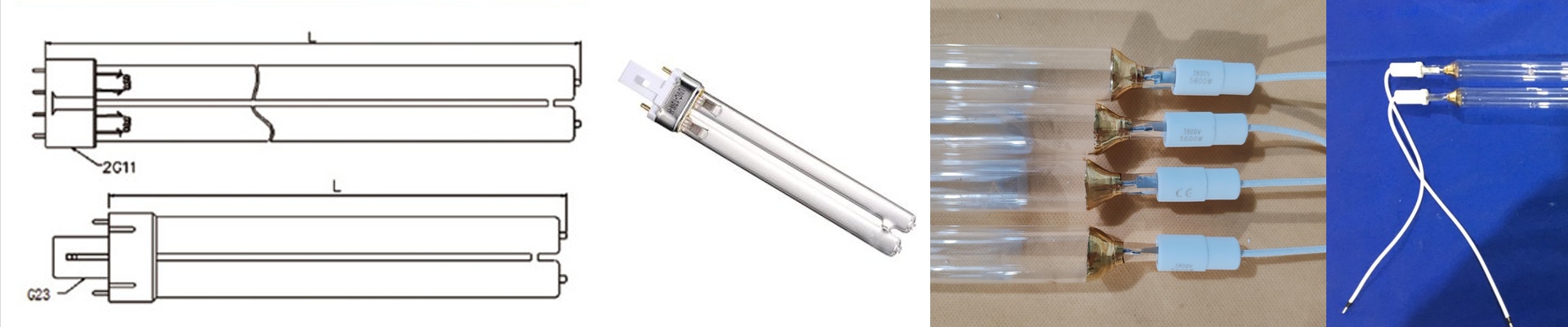
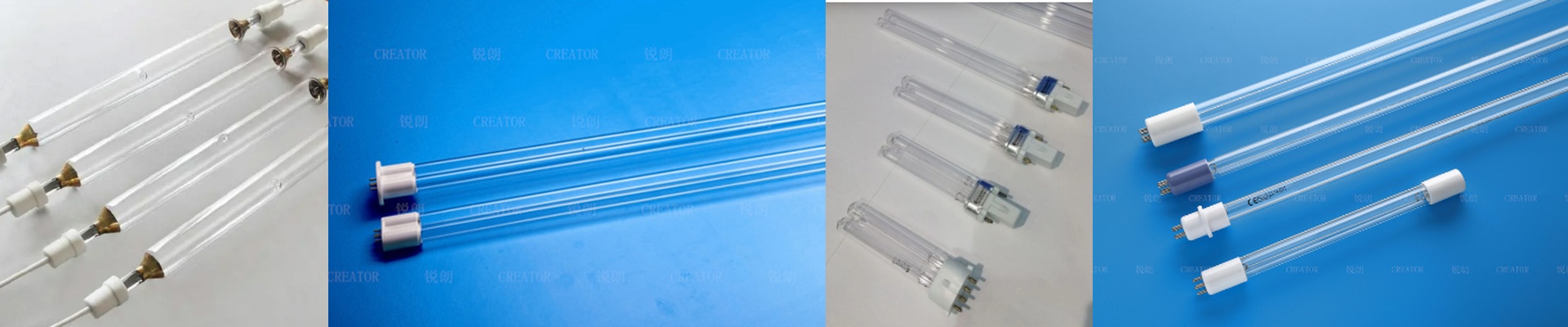
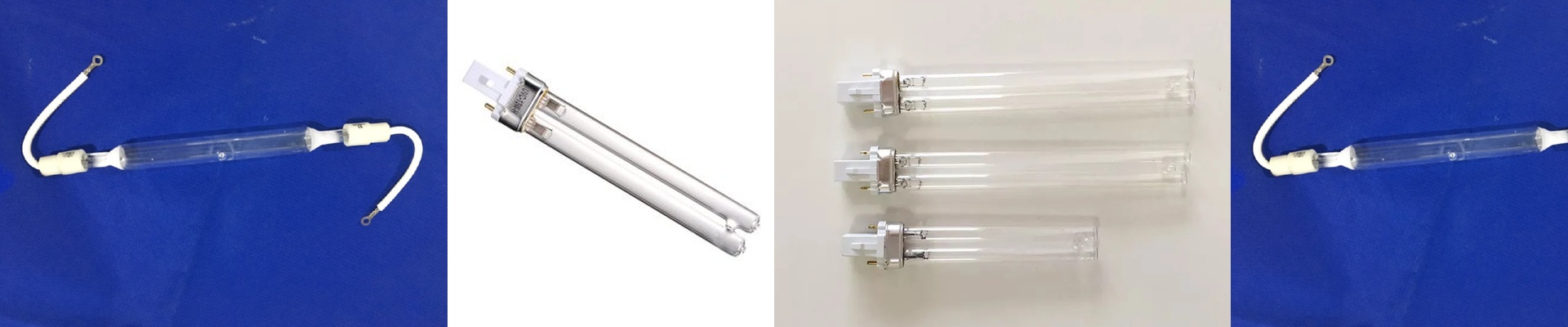
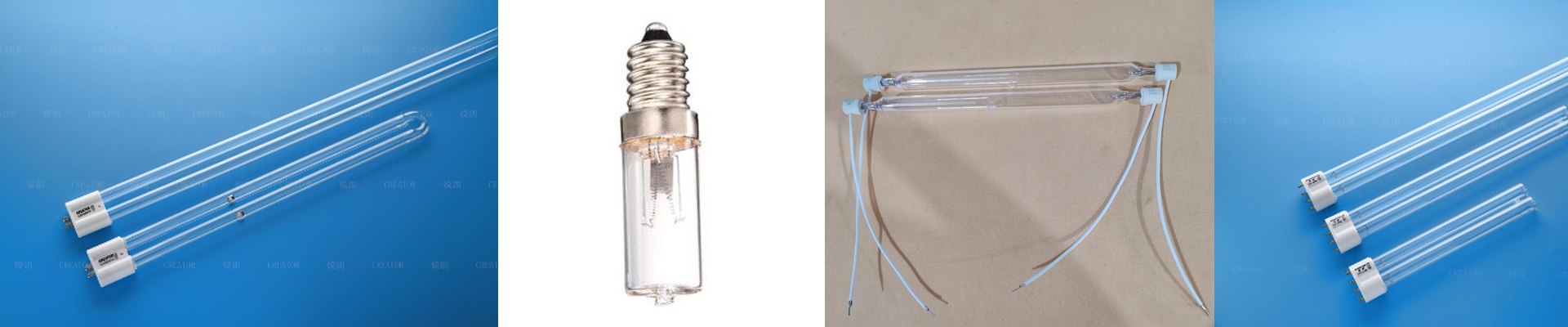
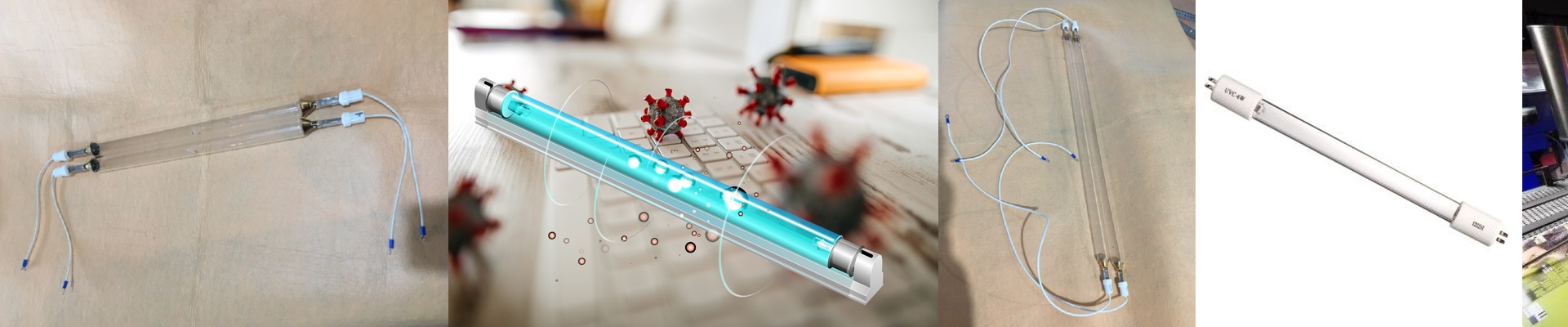
In a lab photochemical reactor, the energy input has to be exact. So we match the lamp’s electrical specs to the reactor’s design. We usually run a high-voltage setup—around 400V—because it keeps the arc stable. That matters when you’re running long experiments. You don’t want the output drifting mid-run. Then there’s wattage and length. A 300mm tube is a common fit, chosen to sit neatly inside the chamber while delivering enough photon density across the whole sample. It’s all about density. Pack high wattage into a compact tube, and you get the heat and light intensity you need for fast curing. But that power comes with a trade-off: you need cooling that’s up to the job, so the chamber temperature stays under control.
Materials and Design: Quartz, Coating, and the R7s Advantage
We build these lamps with quartz envelopes for a reason. Quartz handles high heat and lets the target UV wavelengths through—without adding messy spectral artifacts. Inside, the gas fill and the precise coating are tuned to isolate the exact band your photoinitiator needs. That keeps broad-spectrum output from causing side reactions. And the R7s connector isn’t a random pick. It handles high current, locks the lamp in place, and gives you solid thermal contact. That means swapping tubes is quick—just a drop-in replacement—no rewiring the fixture.
Why This Matters for Wood Coating Formulations
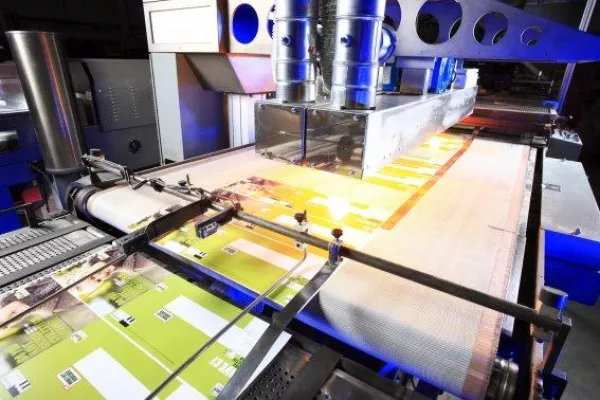
Wood coatings cure through UV-triggered polymerization. In the lab, you’re testing resins, photoinitiators, and additives. If your lamp spectrum is impure, your data gets shaky. But with spectrally pure UV output, you can isolate variables, run clean control groups, and develop formulations that actually translate from the bench to production. For engineers, this setup means repeatable results, easier troubleshooting, and a faster path to scale-up. The lamp becomes a tool you can count on—not another variable you have to fight.