Getting UV Curing Right: Why Modular is the Way to Go
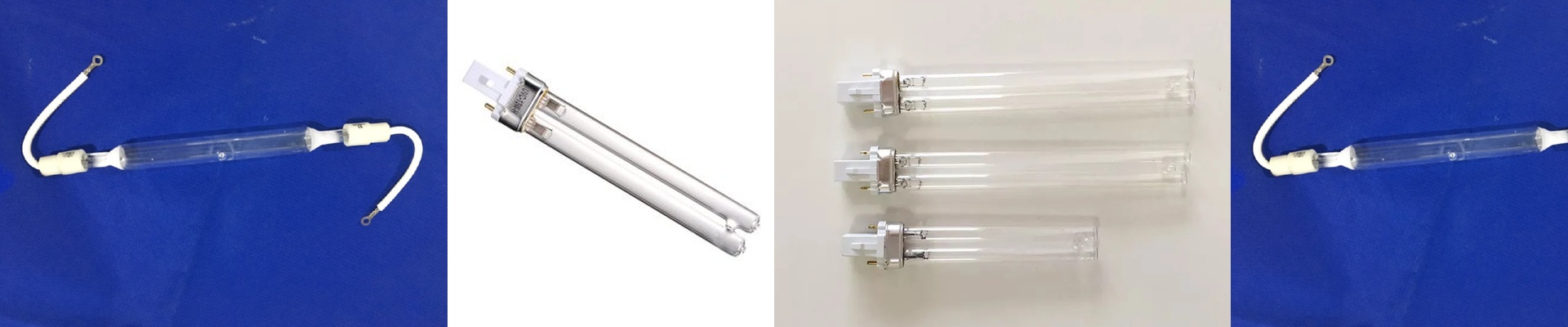
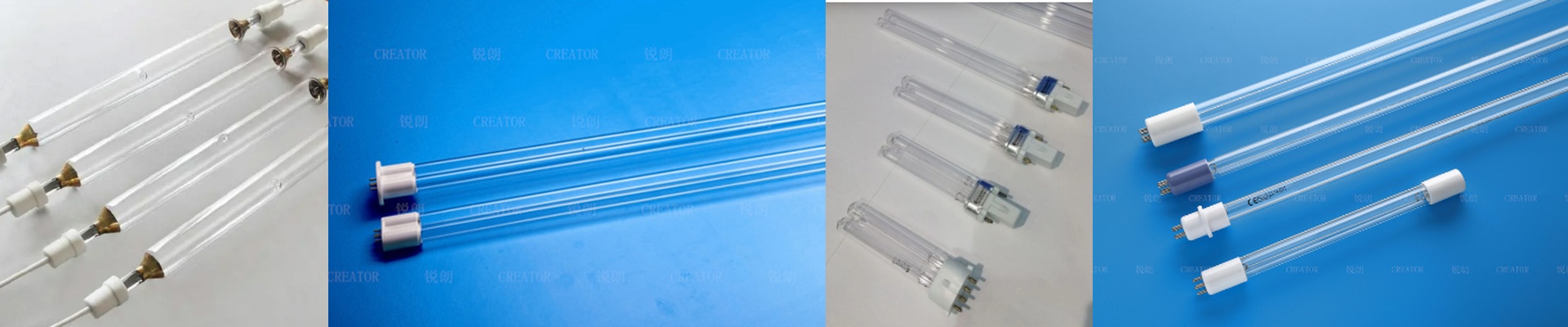
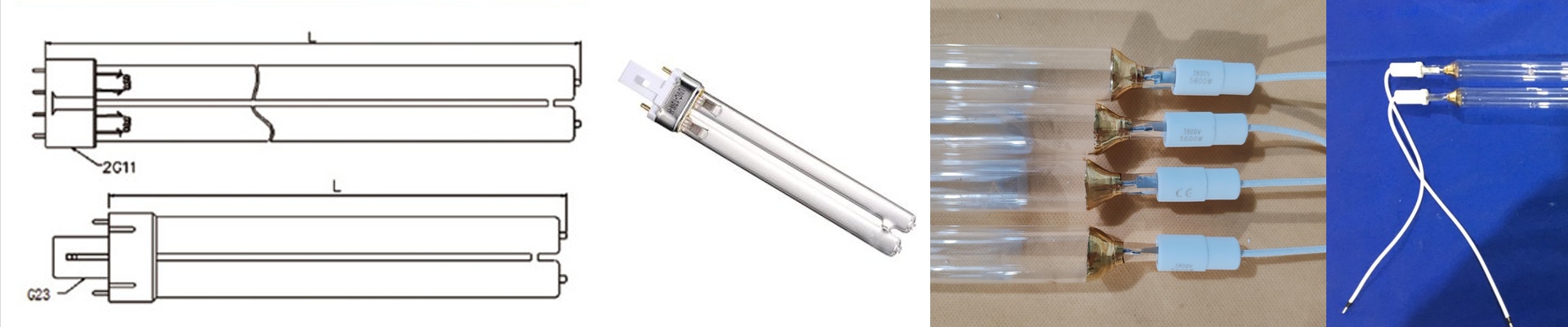
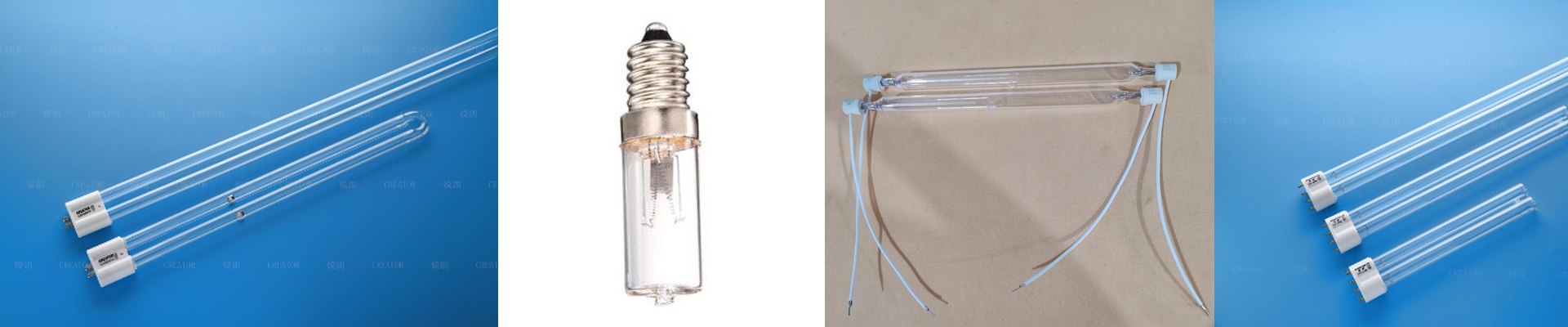
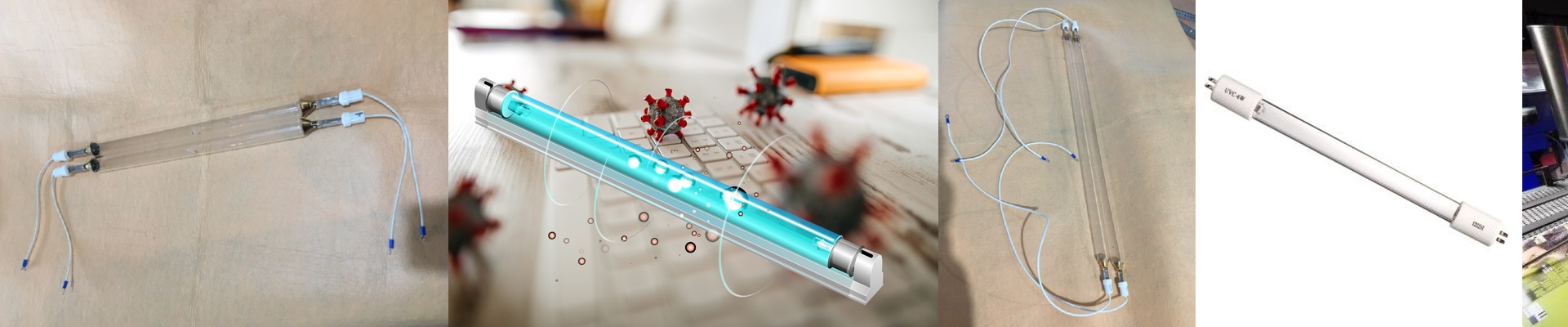
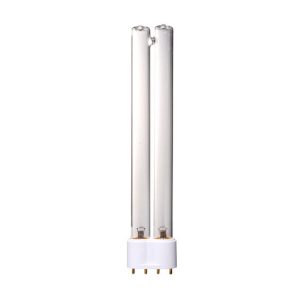
If you’ve ever dealt with smudged ink or coatings that just won’t stick, you know the frustration. It usually comes down to one thing: your UV energy isn’t hitting the mark. We build our modular UV lamps to stop that headache, especially on those high-speed lines where there’s zero room for error. Scaling without the stress Here’s the thing about most systems—they’re either too small or way too big. We took a different route. Instead of one giant, clunky lamp, we use arrays of UV tubes. It makes life so much easier. If you decide to crank up your conveyor speed or start using a thicker ink, you don’t have to buy a whole new rig. You just plug in more modules to keep your dosage where it needs to be. Plus, if a lamp goes out, you just swap that one tube and get back to work. No need to tear down the entire line. Dealing with the heat High-wattage lamps get hot. Really hot. We use quartz glass to make sure the UV light gets through while keeping the thermal stress under control. But you’ve still got to keep an eye on your cooling. If you push these lamps to the limit without enough forced air or water jackets, you’re asking for trouble. The tubes burn out faster, and worse, your materials can actually warp. It’s all about finding that sweet spot between power and cooling. Real-world setup We designed these to just slide right into your existing presses. We obsess over the physical footprint because if the lamp isn’t at the exact right distance from the substrate, you’re just wasting electricity. And for the engineers doing the actual wiring? The modular setup is a lifesaver. You can treat the curing tunnel like different zones. Try running the first module on low just to “set” the ink, then hit it with full power at the end for a deep cure. It stops the surface from skinning over too fast, which is usually what traps those nasty uncured monomers underneath. It just works better.