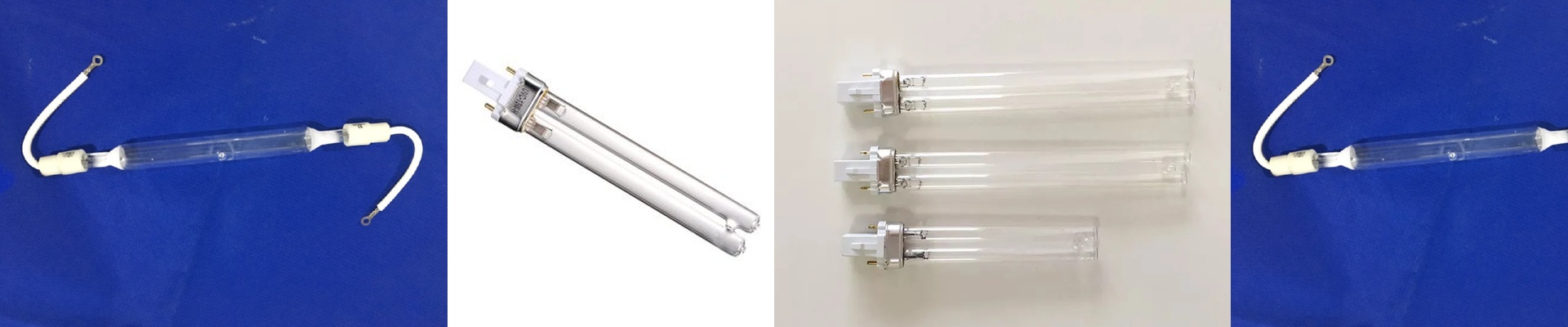
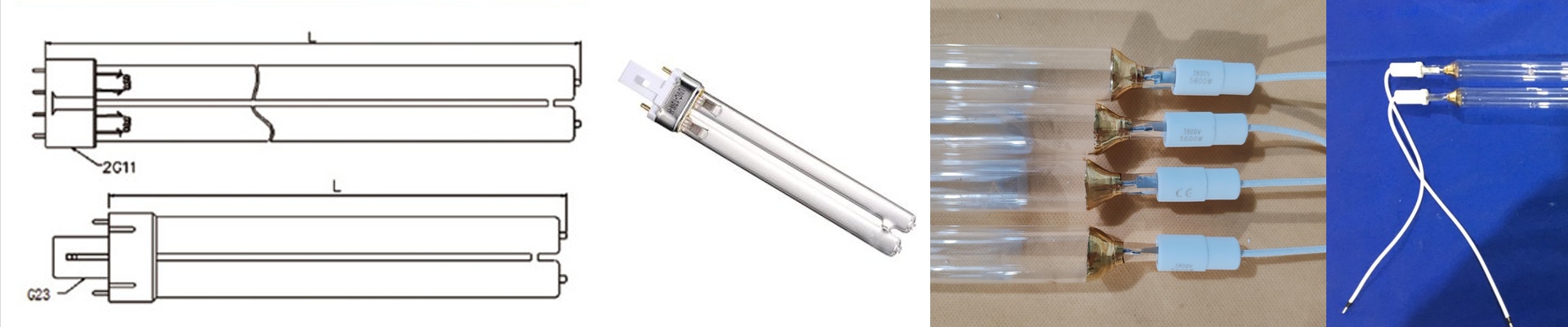
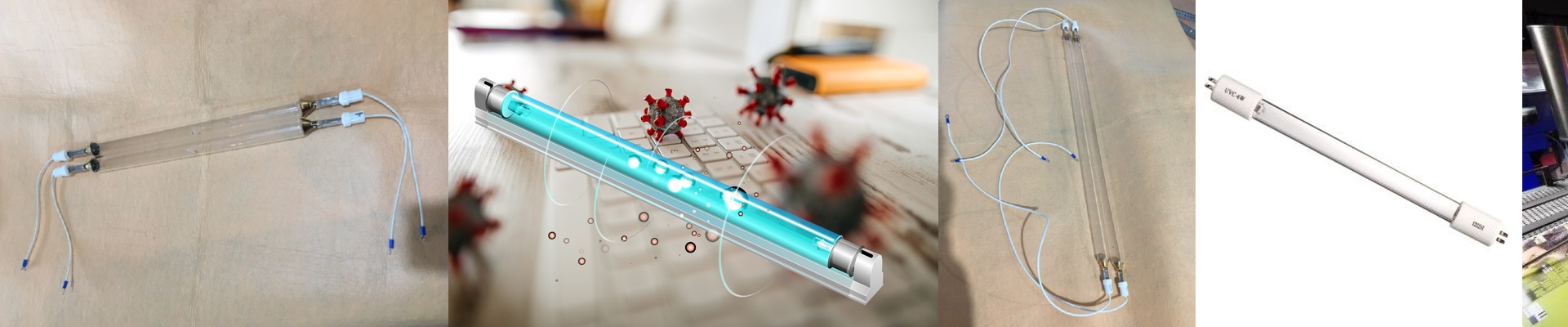
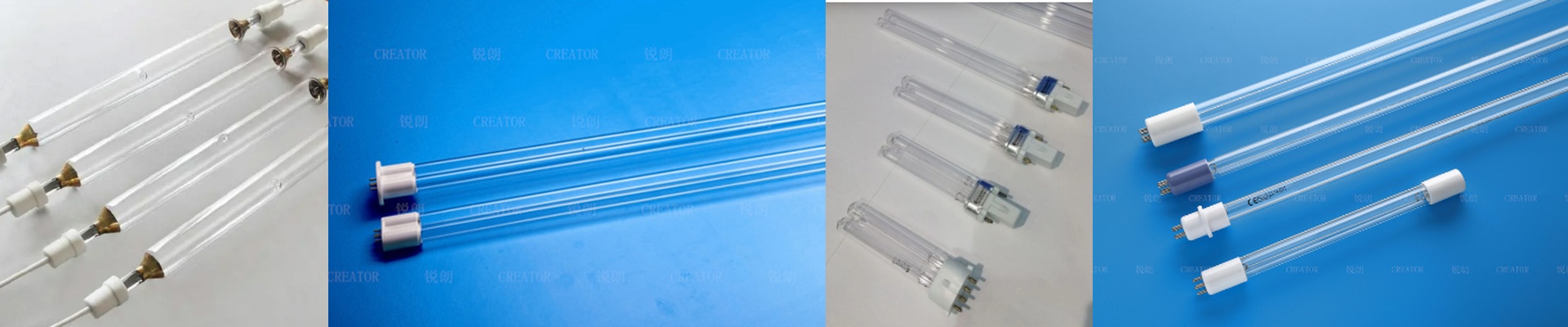
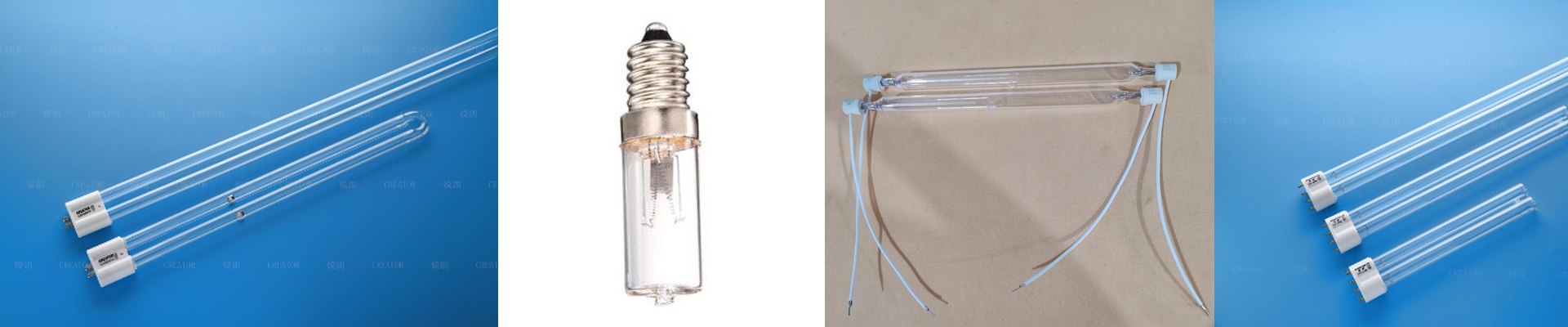
Let’s talk about Gallium Iodide lamps
If you’ve spent any time with standard mercury vapor tubes, you know the drill. But Gallium iodide lamps are a different beast entirely. We designed these to hit that 300nm to 400nm sweet spot. Why? Because when you’re dealing with thick ink or heavy coatings, you can’t just cure the surface. If the top “skins over” too fast, the bottom stays wet, and you’ve got a mess on your hands. These lamps push the light deeper into the material, curing it from the inside out.
The science bit (simplified)
It all comes down to the Gallium halide fill. While mercury lamps lean toward that 254nm peak, our Gallium lamps shift the energy over to the UVA spectrum. Some photoinitiators just won’t wake up unless they see those longer wavelengths. To make sure the light stays steady even when you’re pushing high wattage, we spend a lot of time tweaking the gas pressure and the way the electrodes are shaped. It’s a delicate balance.
Fitting them into your shop
The good news is that these fit into most standard industrial setups. But here’s the catch: they runhot. If you’re swapping these into an old rig, take a look at your reflectors first. We use fused silica and high-purity quartz glass because standard glass would just cloud over or crack the moment it hits a rapid temperature change. It’s about making sure the lamp survives the heat of the job.
Real-world use and a few warnings
You’ll mostly find these doing the heavy lifting in textile printing or specialized adhesives. They’re great for bonding pigments to synthetic fibers where other lamps just don’t have the muscle. But a word of advice: don’t just crank the power to speed up your line. The more wattage you throw at it, the faster those electrodes wear out. It’s a trade-off. To keep your lamps alive longer, we suggest a stepped power-up sequence—don’t just slam them on. Also, double-check your cooling system. These lamps put out a lot of IR load. If your cooling isn’t up to the task, you might find your substrate warping under the heat. And nobody wants that.