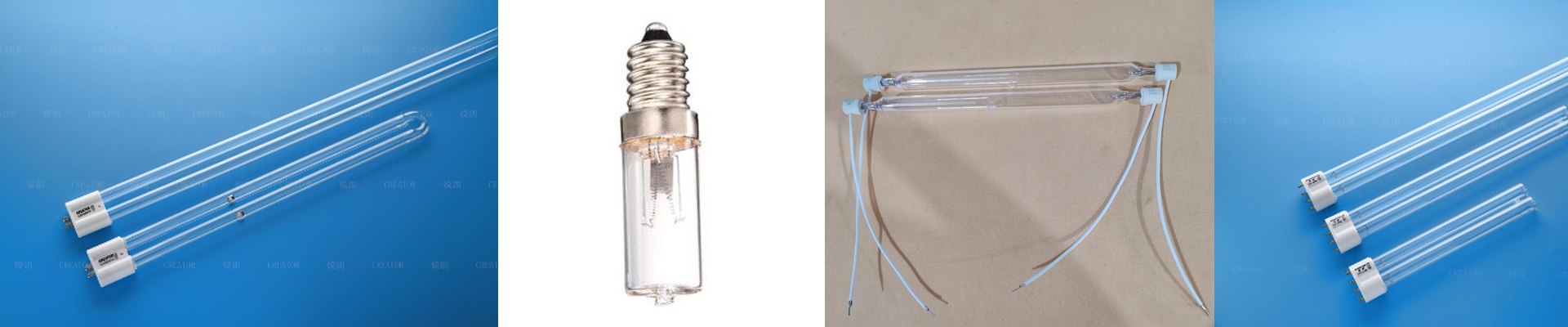
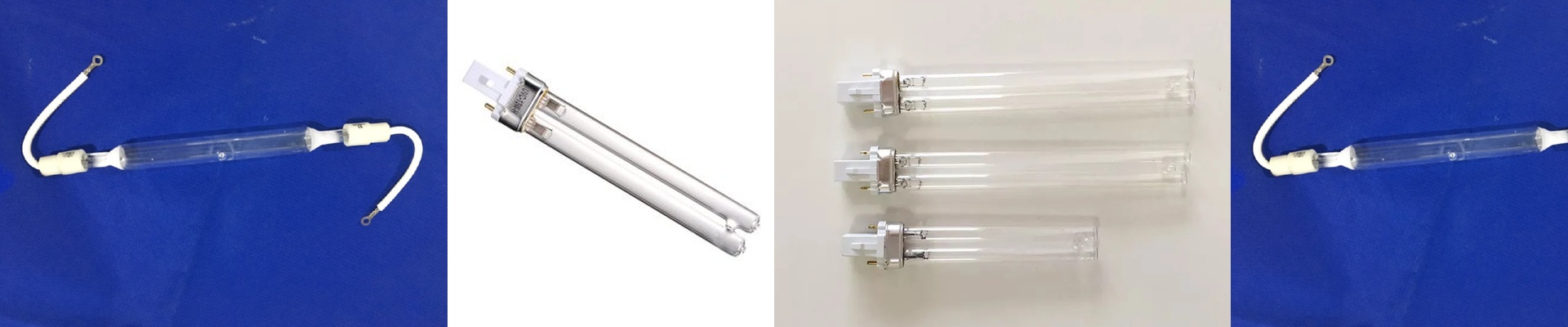
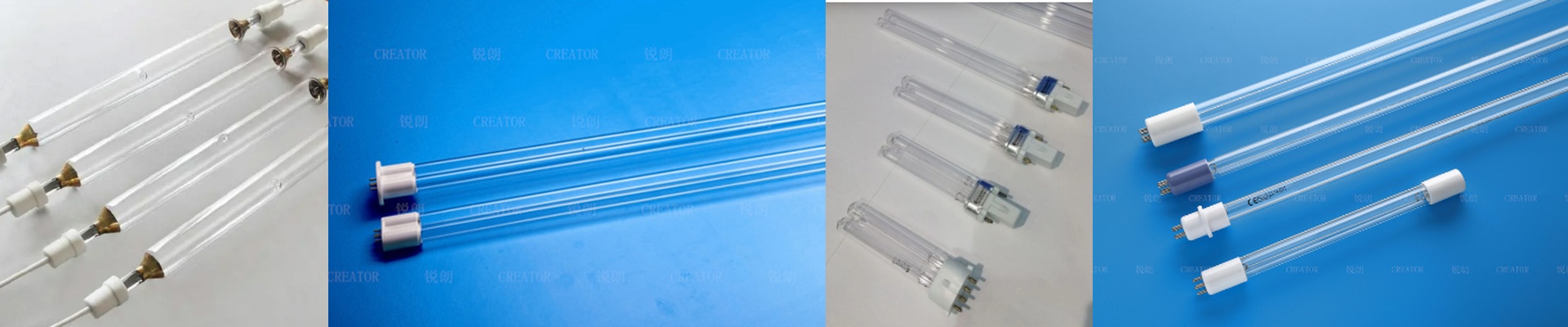
Out on the press line, a mismatched UV spectrum doesn’t hide. You see it immediately—poor adhesion on PET, tack that won’t quit on labels, and curtains of uncured ink that force the line to idle while you chase photoinitiator chemistry. What you need is repeatable spectral output, plain and simple. No guesswork. What matters, technically A spectral distribution gallium lamp is a mercury vapor UV lamp, but with gallium iodide additives that shift the dominant emission toward 395 nm. You still get a strong shoulder around 365 nm, and the long-wave tail stays minimal. That profile lines up with modern free-radical and cationic formulations, especially the ones engineered for thin films and heat-sensitive substrates. We spec peak irradiance at the arc center, measured with a calibrated spectral radiometer. Output tolerance is held within ±3% across the arc length by controlling fill pressure and electrode geometry. The dichroic reflector concentrates the target band, so you waste less IR and keep substrate temperature under control. Ozone-free operation comes from a high-purity quartz envelope and optimized operating voltage, which lets you run closer to sensitive materials without the venting headache. Why it works in real production In industrial printing—UV offset, flexo, and screen—curing is a rate problem driven by photon flux at the right wavelength. Gallium lamps deliver higher photon density at 395 nm, which penetrates pigmented layers more uniformly and speeds surface cure without overheating the substrate. That means higher press speeds, fewer rejects from scuffing or blocking, and more consistent dot gain control because the ink film cures predictably across the sheet. Energy use drops since the reflector focuses usable UV, and lamp life stretches when electrode erosion is controlled. We’ve seen units run 5,000+ hours with less than 5% output drop, as long as you stay within rated power density. The details that bite you if you ignore them Gallium lamps are particular about ignition voltage and ballast matching. Use an igniter and power supply rated for the exact arc length and cold-start current; mismatched drivers cause premature electrode sputtering and cut life short. Reflector alignment and cooling airflow matter, too. Output stability depends on keeping the arc in the focal plane. And always confirm your ink’s photoinitiator package. If the formulation is tuned for 365 nm, the 395 nm peak won’t do its best unless you adjust lamp power or dwell.