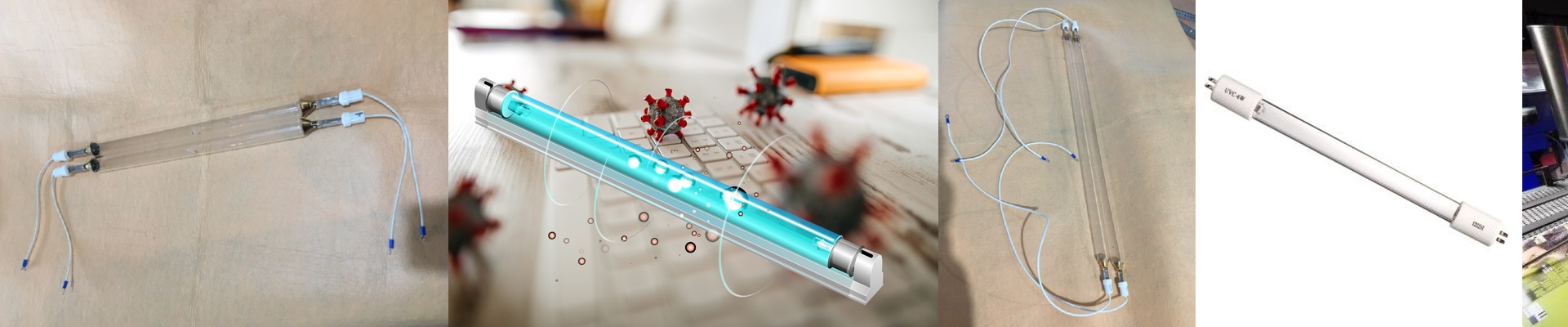
Getting the Cure Right in Textile Printing
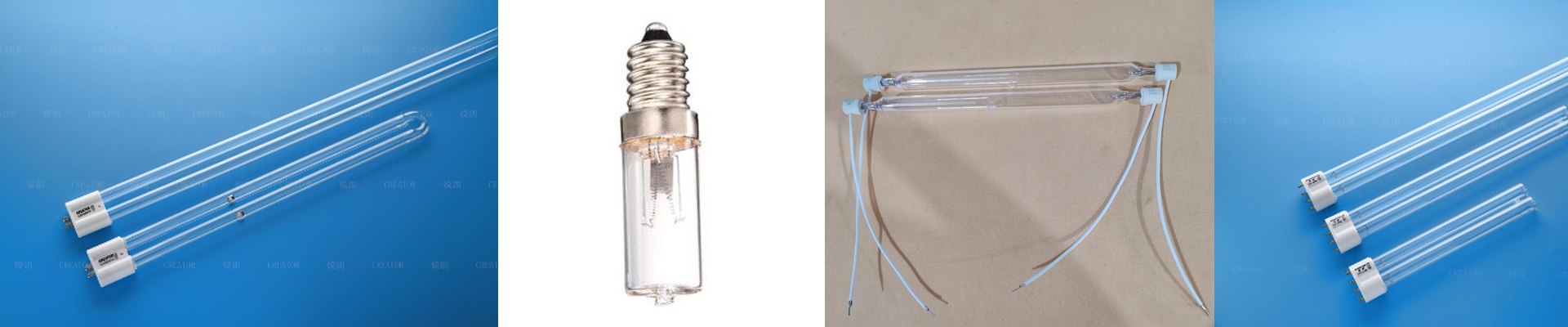
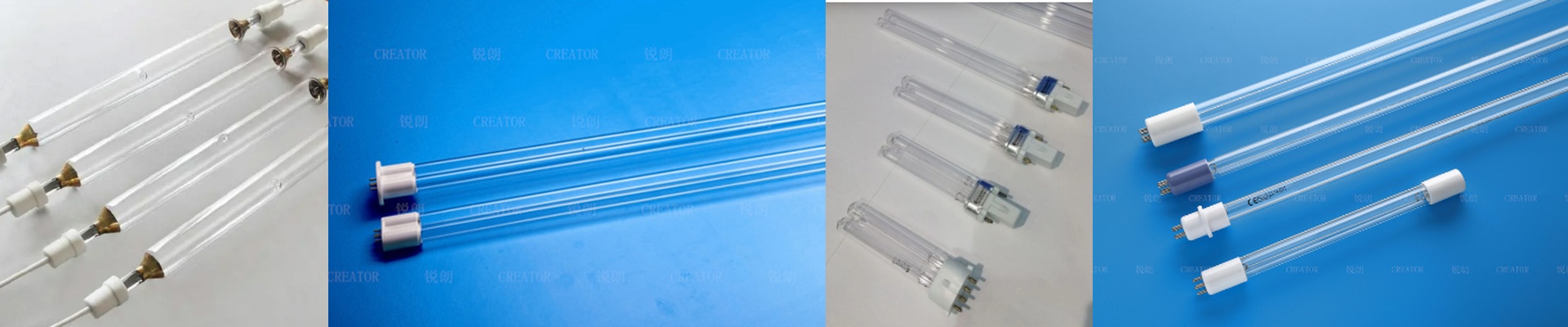
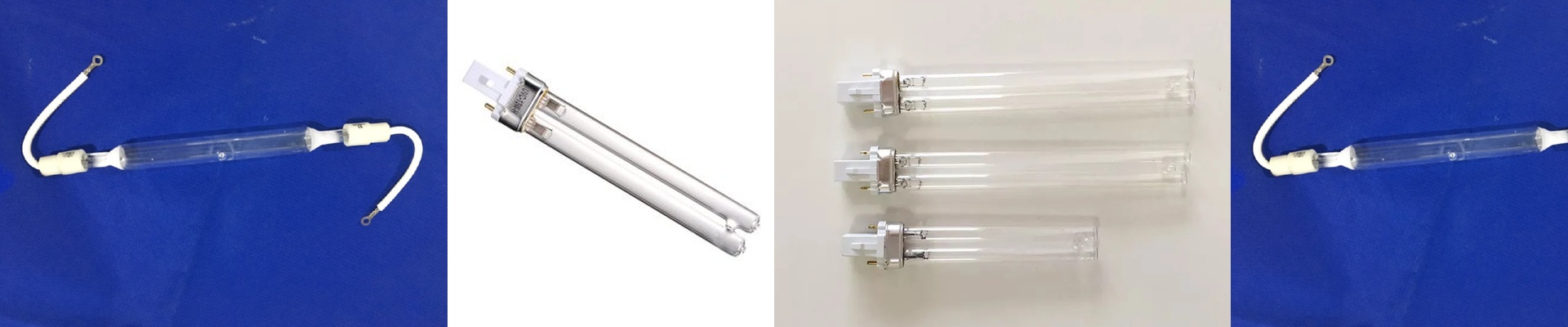
We make UV lamps for the textile world. The goal is simple, but the execution is tricky: you need to flash-cure your inks instantly without accidentally scorching the fabric. When you’re running a print line, you aren’t just looking for some bright light. You need a very specific level of punch to get those inks to actually set.
The Science (Without the Headache)
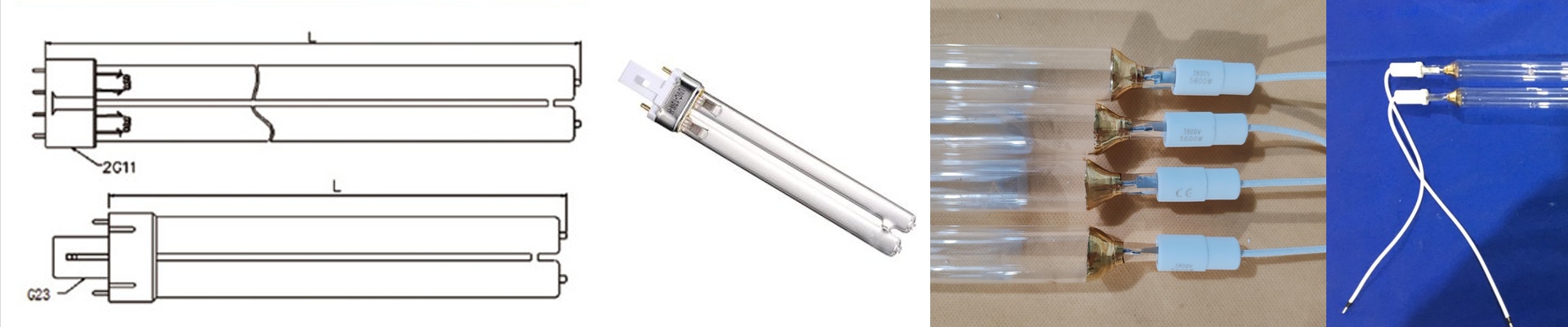
Most of our lamps use mercury-vapor tech to get that short-wave radiation that locks the polymers together. Here’s the thing: the light has to be consistent. If it dips at the ends of the tube, you end up with “wet spots” on your fabric. That’s a nightmare for quality control. To stop that from happening, we obsess over where the electrodes sit and use high-purity quartz glass so the lamp doesn’t just soak up its own light.
Plugging It In
We design our systems to be drop-in replacements. Why? Because downtime is a profit-killer. You can wire these into your standard ballasts, but you have to get the wattage exactly right. I’ve seen people try to “over-drive” a lamp to get more power, but all that does is fry the electrodes. It’s a shortcut that ends in a broken lamp. Also, textile lines vibrate. A lot. So we use reinforced end-caps to make sure nothing cracks while your conveyor is humming along at full speed.
The Balancing Act
High-output lamps get hot. Really hot. While the UV does the curing, the infrared heat can be a problem for delicate synthetics. It’s a bit of a tug-of-war between your lamp power and your line speed. If you crank the heat just to move more fabric through the door, you risk shrinking the material or leaving it with a nasty yellow tint. That’s why you can’t skip the ventilation. Good cooling fans keep the quartz from warping and keep your fabric looking the way it should.