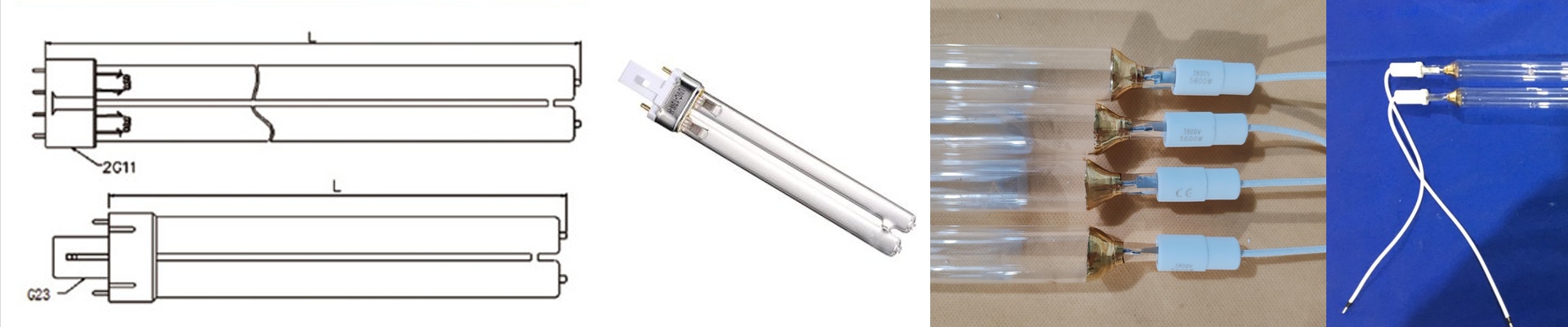
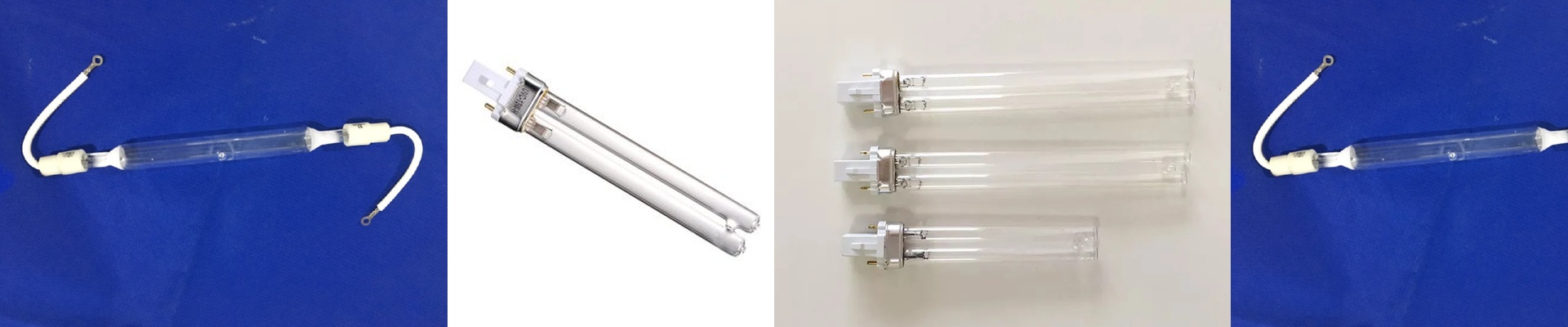
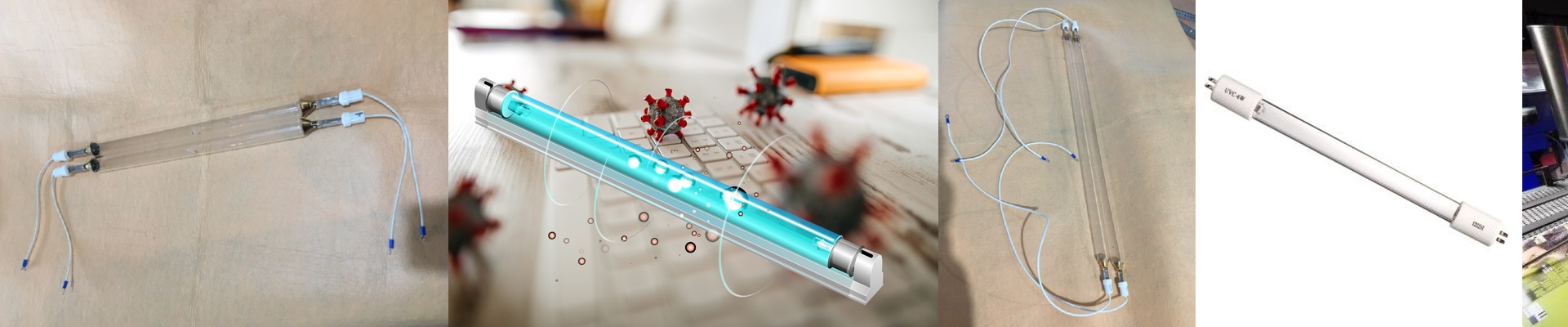
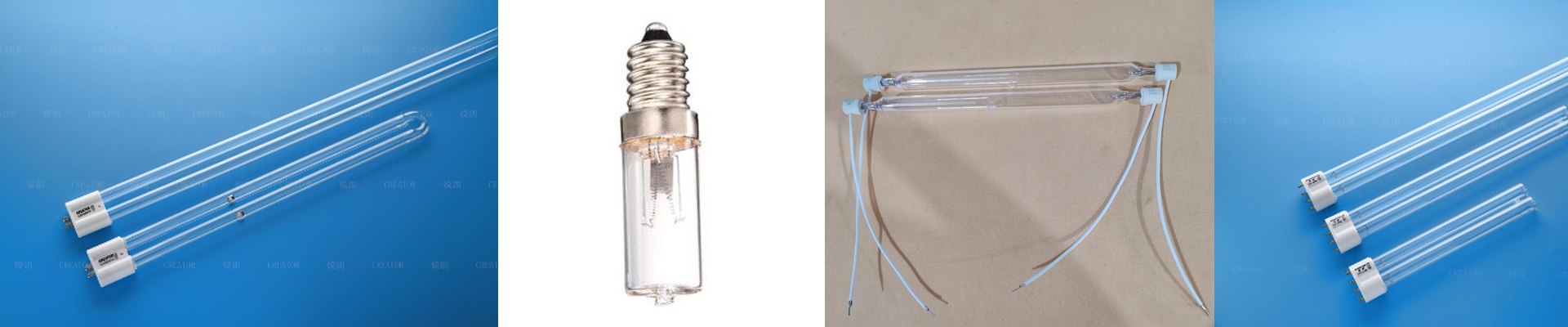
Getting the Spectrum Right: The Fight for 0.5% Precision
Most UV lamps you’ll find are pretty generic. They throw out a wide range of energy, and for basic curing, that’s usually fine. But when you’re dealing with high-end OEM gear, that broad spread is a problem. It leads to uneven cures or, worse, it just cooks your substrate. We spent our R&D time obsessing over how to tighten that energy concentration down to a 0.5% tolerance. It’s not about some vague idea of “quality.” It’s about the raw physics of how photons hit a surface.
The nitty-gritty of the spectrum
Hitting that 0.5% mark isn’t easy. We had to get incredibly picky with the gas mixtures and the way the electrodes are shaped. Think of it this way: we aren’t just filling tubes with gas. We’re basically sculpting a plasma arc. By tweaking the pressure and the exact amount of dopants inside the quartz, we can push the peak emission into a very narrow band. The goal? Make sure the energy hits the photoinitiators in your resin exactly where they actually react. No wasted energy. No guesswork.
The trade-offs (because there’s always a catch)
Here’s the thing: this kind of precision comes with a price. You can’t just crank up the wattage to speed things up. If you overdrive these lamps, the heat causes a “thermal shift.” Suddenly, your spectrum drifts outside that 0.5% window and you’re back to square one. You have to find a sweet spot between power density and your cooling system. If your airflow is sloppy, the lamp runs too hot, the peak shifts, and your cure rate tanks. It’s a balancing act.
Putting it into your system
Whether you’re swapping out an old lamp or building a new system from scratch, we want this to be easy. We give you the actual photometric data. That means you can set your conveyor speed based on real numbers, not a “gut feeling.” It kills that annoying trial-and-error phase where you’re just guessing during line setup. Instead, you get a predictable, steady dose of energy across the whole lamp. Less scrap on the floor, less stress for your team.