Getting Your UV Curing Right with Custom Gallium Iodide Lamps
Let’s be honest: standard mercury lamps are great until they aren’t. Sometimes you hit a wall where the spectral output just isn’t hitting the right spot, and your resins or photoresists aren’t curing the way they should. That’s where Gallium Iodide (GaI) comes in. We build these lamps for the moments when “close enough” doesn’t cut it. If you need a specific wavelength to get a reaction moving, we can make that happen.
The Technical Side (Without the Headache)
The magic here is in the chemistry. By shifting those emission peaks, we can target the exact absorption bands your materials need. We don’t just send you a generic tube. We tune the wattage and voltage so it actually fits the ballast you already have on your floor. If you’re running a high-intensity line, we beef up the tube walls. Gallium vapor creates a lot of internal pressure, and nobody wants a lamp that burns out halfway through a shift. One quick tip: high wattage means high heat. Make sure your cooling manifolds are actually doing their job. If the quartz warps from the heat, you’re looking at a costly replacement.
Built to Actually Last
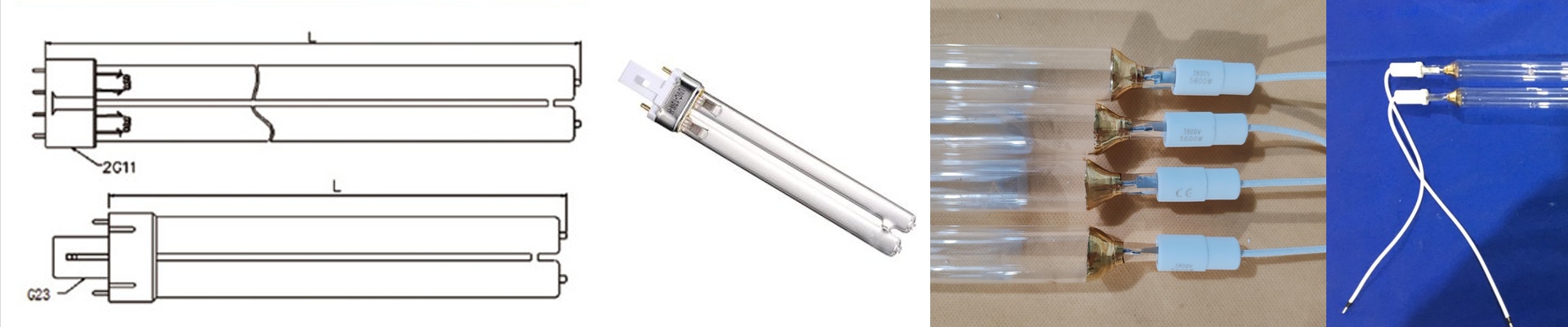
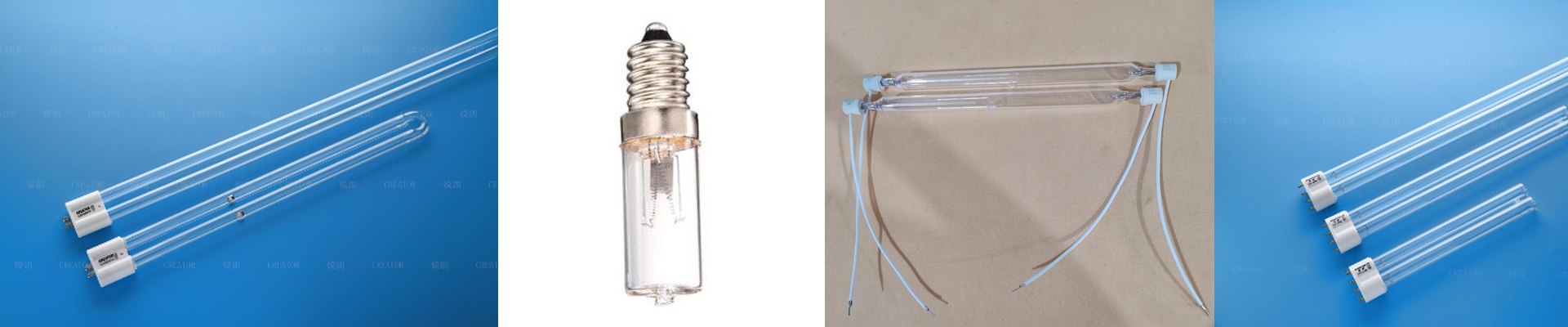
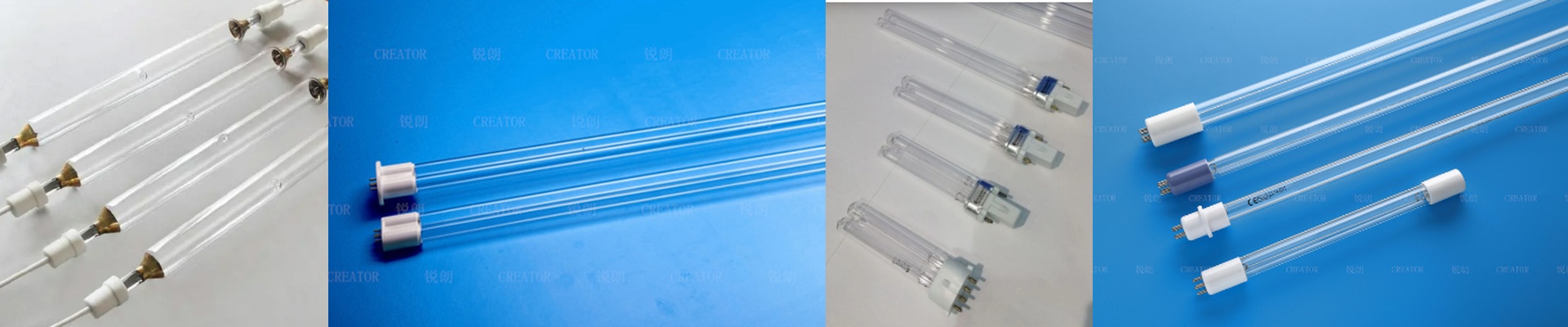
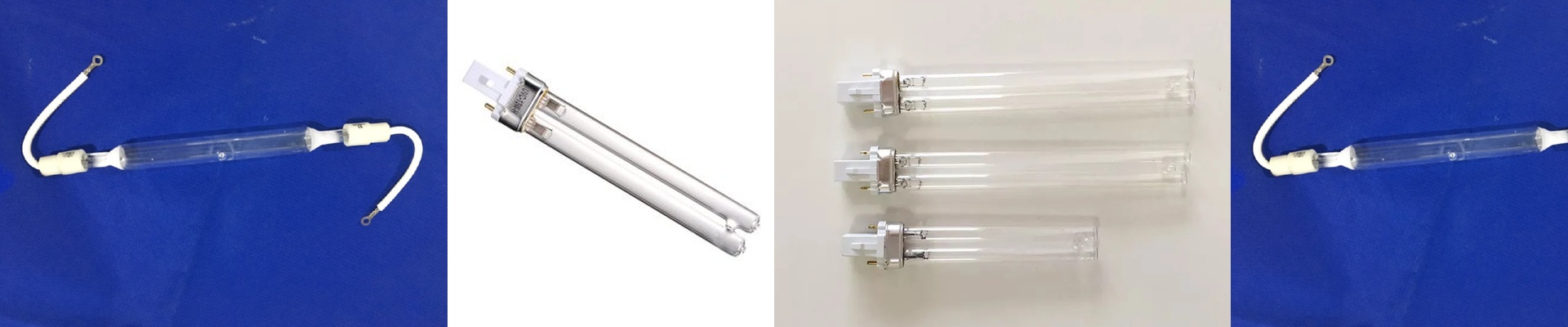
We use high-purity synthetic quartz. Why? Because gallium is picky. Even a tiny bit of junk in the glass or the gas mix will kill the lamp’s lifespan. We also know that industrial environments are rough. That’s why we offer different end-cap setups and reinforced seals. Whether you need specific lead-in wires or just something that can take a beating, we build them to be drop-in replacements. You just pop them in and get back to work.
No More Waiting Around
There’s nothing worse than your production line grinding to a halt because you’re waiting six weeks for a custom part. It’s a nightmare. To stop that from happening, we keep a steady stock of core quartz tubes and gallium precursors. You get the exact nanometer specs you need, but without the usual custom-order lag. Just a heads-up on how to use them: GaI lamps have a specific warm-up rhythm. Don’t flip them on and off every few minutes—you’ll eat through the electrodes. Give them a stable power source, let them settle in, and they’ll hold that spectral output for the entire run.