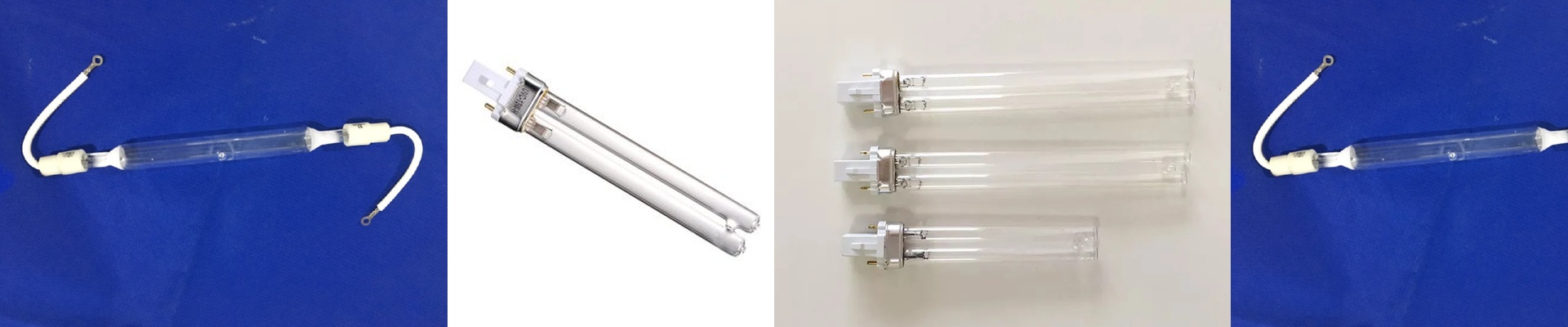
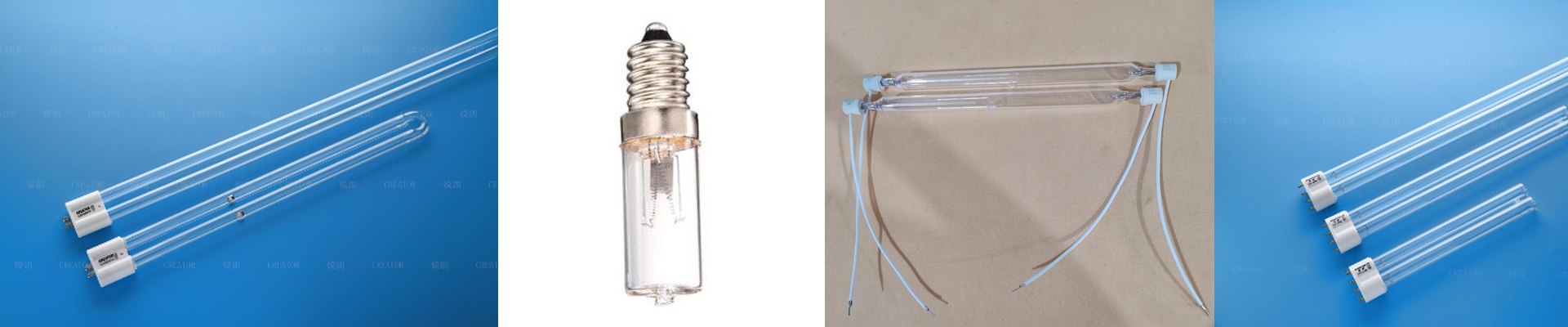
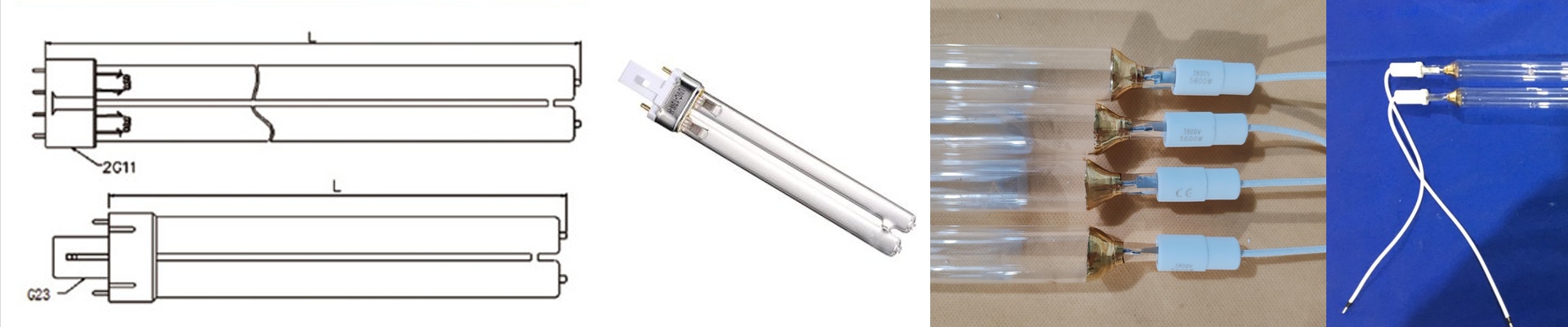
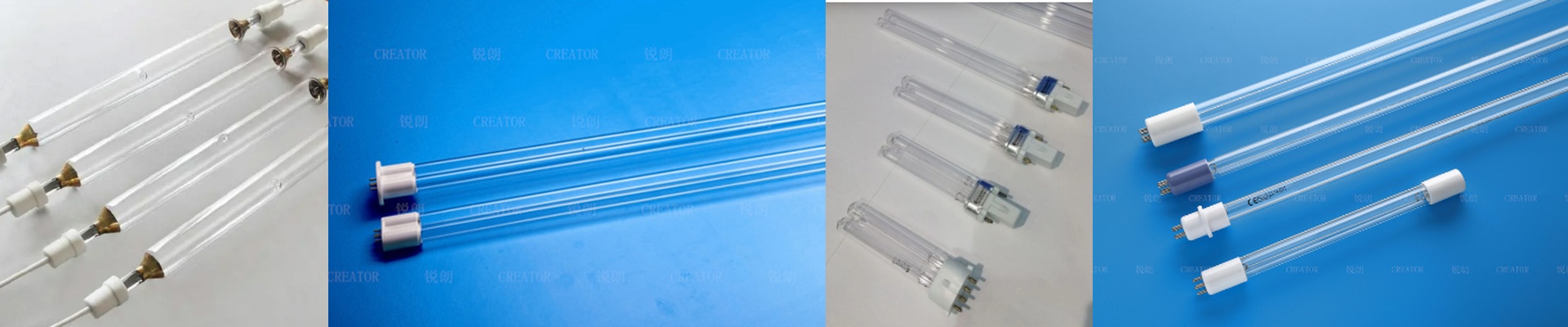
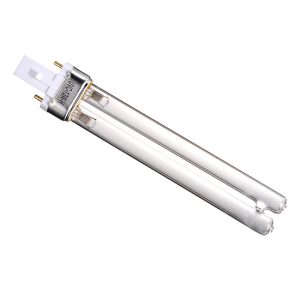
On UV offset, flexo, and screen lines, the lamp is a make-or-break piece. If it can’t handle tens of thousands of rapid flashes without drifting, you’re fighting the machine all shift. Every misfire or dip in output forces you to back off speed, stack in extra lamps, or live with uneven cure. Sylvania UV lamp replacements are built around a low-thermal-inertia cathode. It’s engineered to stay stable under high-frequency ignition—day after day, flash after flash. Here’s what actually matters. Cathode geometry and the emissive material drive ignition stability and repeatable spectral output. Low thermal inertia cuts warm-up lag, so the lamp hits target irradiance fast and holds it through repeated on/off cycles. You get stable output at the dominant mercury lines—365 nm, 385 nm, and 405 nm—consistent peak irradiance across the arc length, and predictable lamp life degradation. The reflector’s dichroic coating is matched to the spectral window your photoinitiator needs. That means less wasted IR and more useful energy density delivered to the substrate. Why this plays in high-speed flash curing. The lamp has to deliver repeatable energy per shot—tens of millijoules per square centimeter at the web—without thermal lag. The low-inertia cathode keeps the discharge stable even after thousands of ignitions, so cure variability drops and color shift stays under control on multi-pass jobs. The payoff is straightforward: you can hold higher press speeds, cut rejects, and use less energy per cured meter. Fewer lamp-related stops means better uptime and a maintenance schedule you can actually plan around. A few shop-floor reminders. Match lamp power, arc length, and end fittings to the original fixture, and check the reflector condition. A tired reflector will throw off irradiance even with a brand-new lamp. Always confirm the cure window with a radiometer—measure peak irradiance and energy density at the substrate, not at the lamp face. For ozone-free operation, make sure airflow is correct and use ozone-free quartz where specified. Handle the lamp by the body, keep it clean, and align it precisely so uniformity stays consistent across the full print width.