Dealing with Electrical Noise in Your UV Setup
If you’re running a few large printing presses in one shop, you know exactly how chaotic the electrical environment can get. When you flip the switch on several mercury UV lamps at once, those high-frequency ballasts start screaming. It’s not a sound you hear with your ears, but your machines definitely feel it. That electrical “noise” (EMI) leaks into your control systems, and suddenly you’ve got ghost triggers or presses acting erratic for no apparent reason. It’s a headache nobody needs.
Why some bulbs just… work
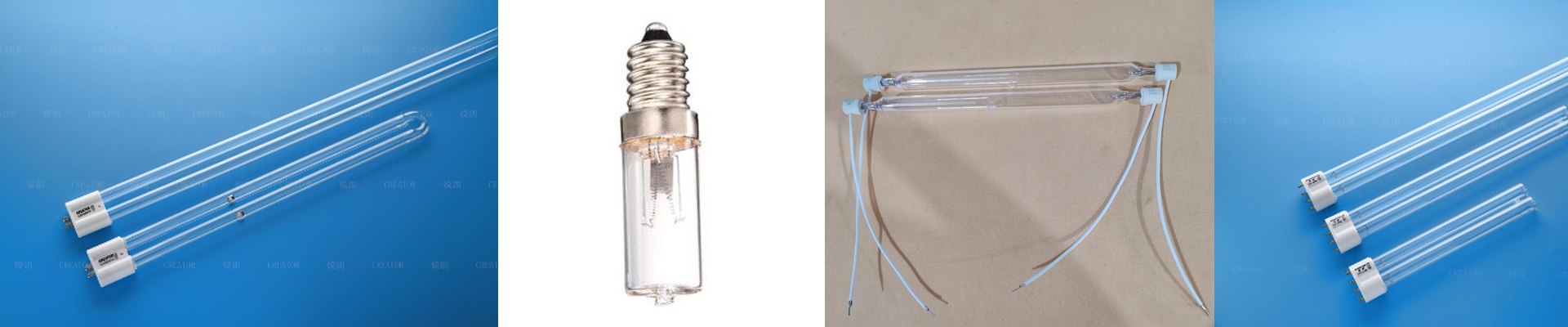
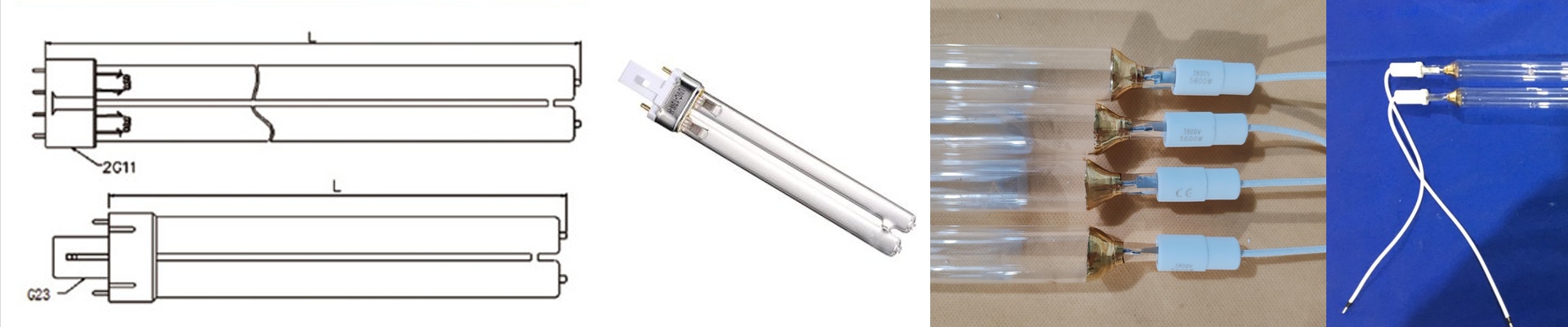
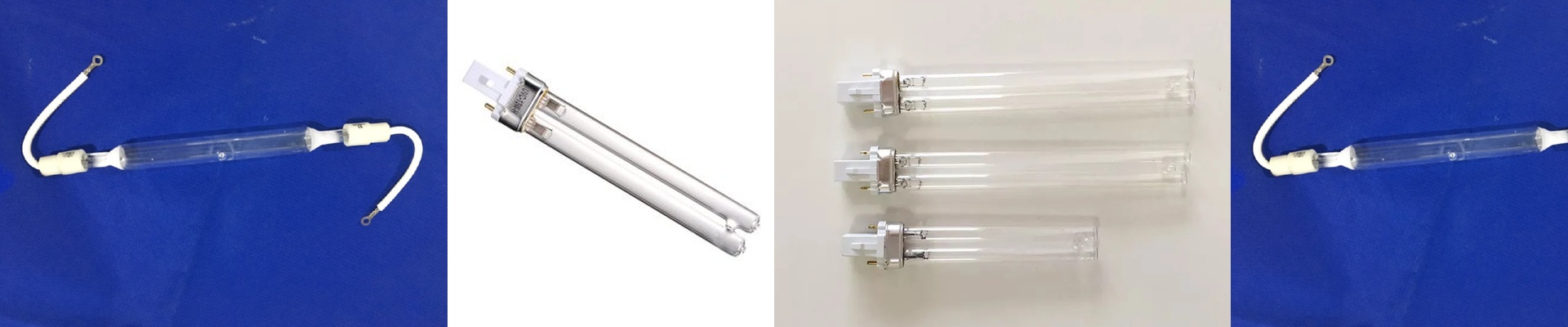
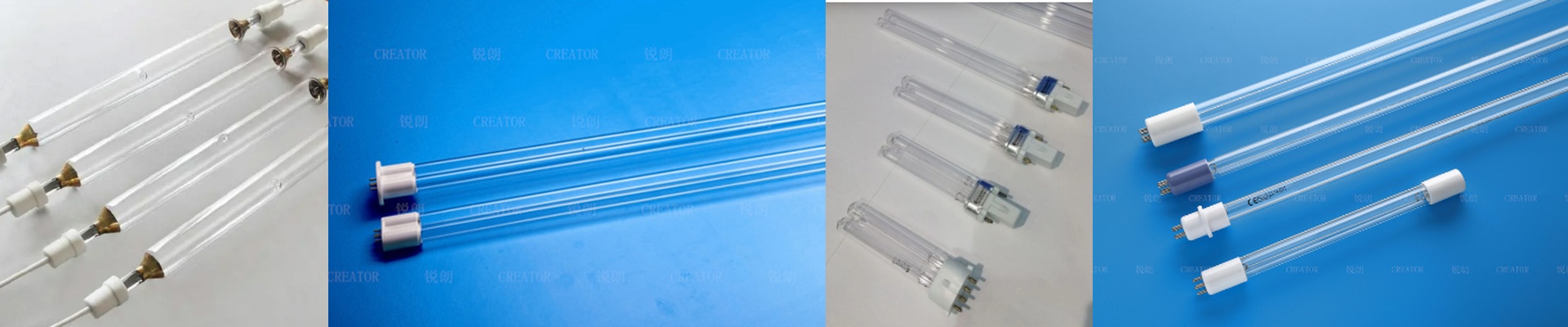
We design our mercury UV bulbs to take these heavy electrical hits without flickering. It really comes down to the basics: how pure the mercury vapor is and how precise the electrode geometry is. Here’s the thing. If that electrode gap is off by even a tiny fraction of a millimeter, the arc starts to wobble. That instability creates voltage spikes, and those spikes are exactly what mess with your other gear. To stop that, we use a reinforced quartz envelope and a specific gas fill to keep the plasma arc locked right in the center. It cuts out the “jitter” you usually get with those cheap wholesale bulbs.
When the shop gets crowded
Running five or six presses at once is a different beast. The cumulative noise can be a total nightmare. Our bulbs are built to keep the current draw steady. This means your ballast doesn’t have to constantly overcompensate—which is usually where all that electrical noise starts in the first place. You get a smooth, steady UV output that doesn’t jump around just because the press next to you kicked into high gear.
A quick reality check
Now, let’s be real. A great bulb can’t fix a bad power grid. If your facility’s grounding is shot or your shielding is outdated, you’re still going to have problems. That’s stuff you’ve got to handle on the infrastructure side. Also, keep an eye on your heat. High-stability bulbs run hot.Really hot. Make sure your cooling fans are clean and actually spinning. If they’re clogged with dust, the heat will eat through your lamp life, no matter how stable the electricity is.