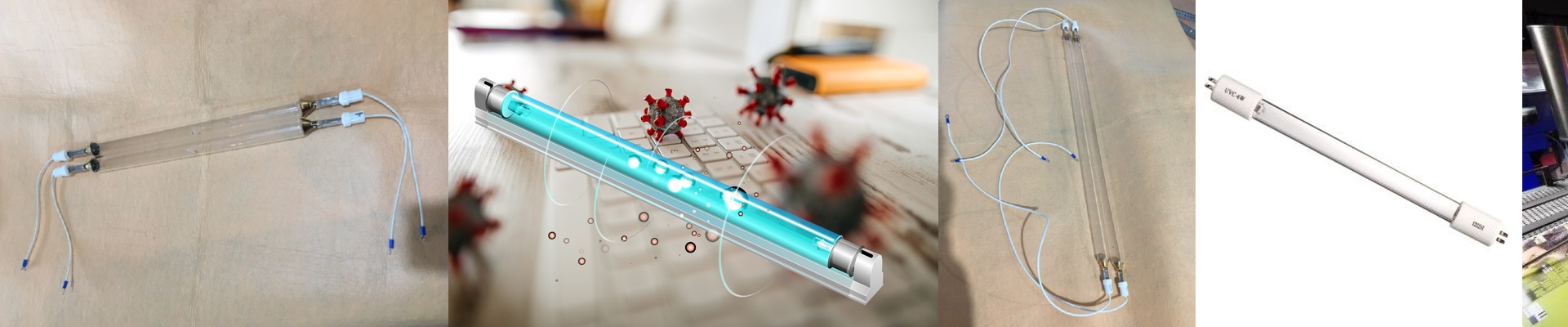
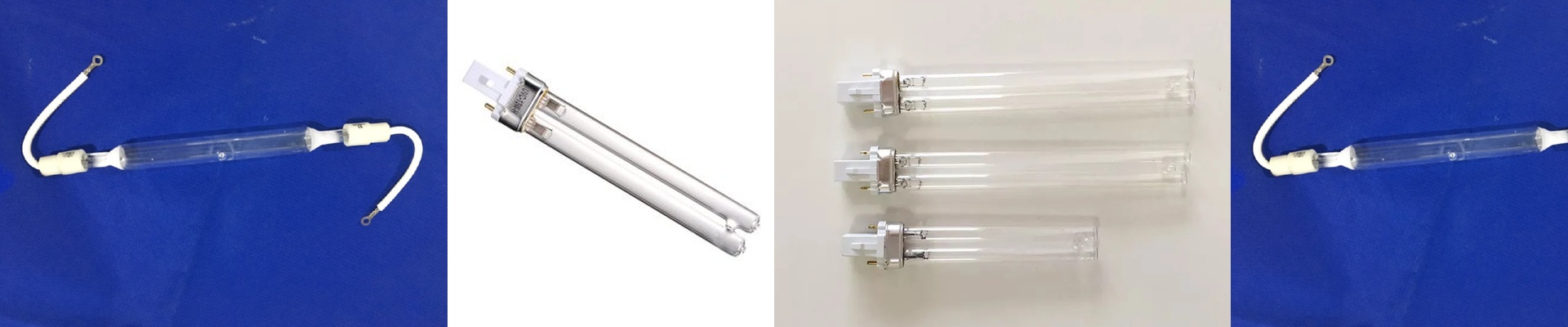
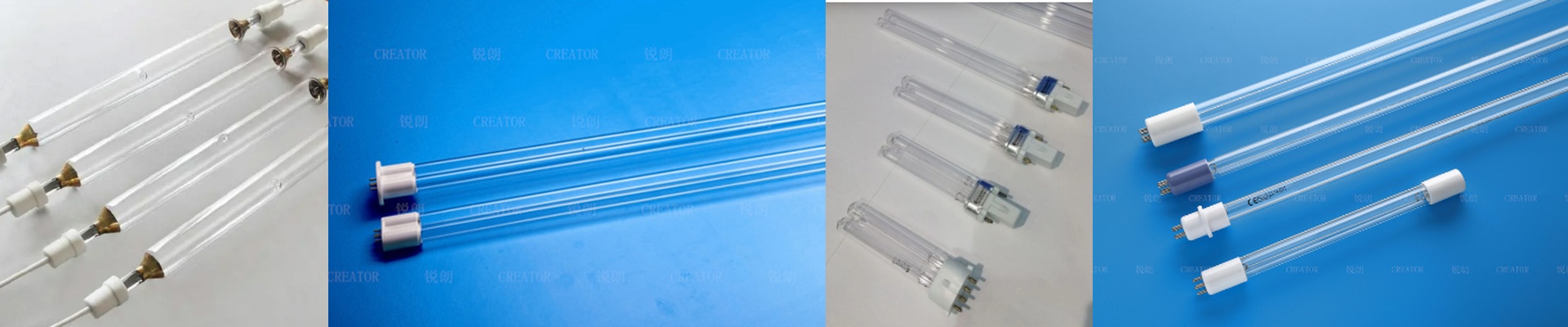
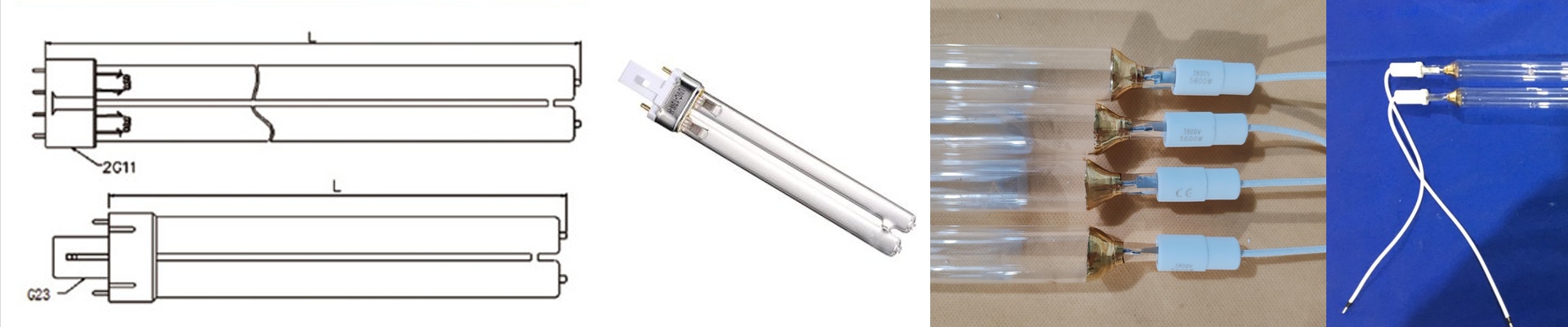
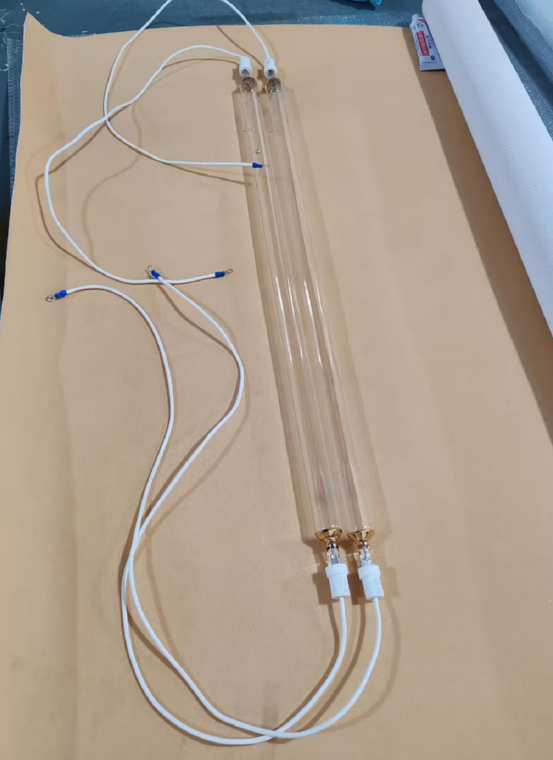
Why the “Brains” Inside Your UV Lamps Actually Matter
When you’re putting together an industrial automation line, it’s easy to look at a UV curing lamp and just see a light bulb. But it’s more than that. You’re actually betting on the engineering—the spectral output and how the heat is handled—that makes the whole thing work. If you’re shipping machinery into North America or Europe, using “generic” lamps is a massive gamble. The headache of cheap clones Here’s the thing: a lot of those low-cost lamps on the market are just copies. If your system uses a lamp that steps on a competitor’s patent, you’re asking for trouble. Your entire machine could get held up at customs or blocked by a legal injunction before it even hits the factory floor. We do things differently. We own our patents, from the way the electrodes are shaped to the specific way we dope the quartz. It means your supply chain stays clean and you don’t have to look over your shoulder. The tug-of-war with heat Let’s talk shop for a second. To get that rapid curing we all want, you need high power density. But there’s always a trade-off. The more photons you push to speed up the process, the more infrared heat you create. It’s basic physics. If you cram a high-wattage lamp into a tiny space, you’ve got to be smart about it. Your cooling fans or water jackets need to be up to the task, otherwise, your substrate is going to warp. And nobody wants to ship a warped product. Keeping things consistent Patent protection isn’t just about avoiding lawyers. It’s about knowing exactly what you’re getting every single time. Because we control the design, we can keep the wavelength peaks incredibly tight. This is huge because it means your curing process stays the same whether you’re producing in one country or five. No drift. No surprises. We take care of the boring IP stuff so you can just wire the lamps in and ship your machines. You get to protect your margins and your reputation without worrying about a trade dispute blowing up in your face.