Why We Use Gallium Iodide Lamps for PCB Work
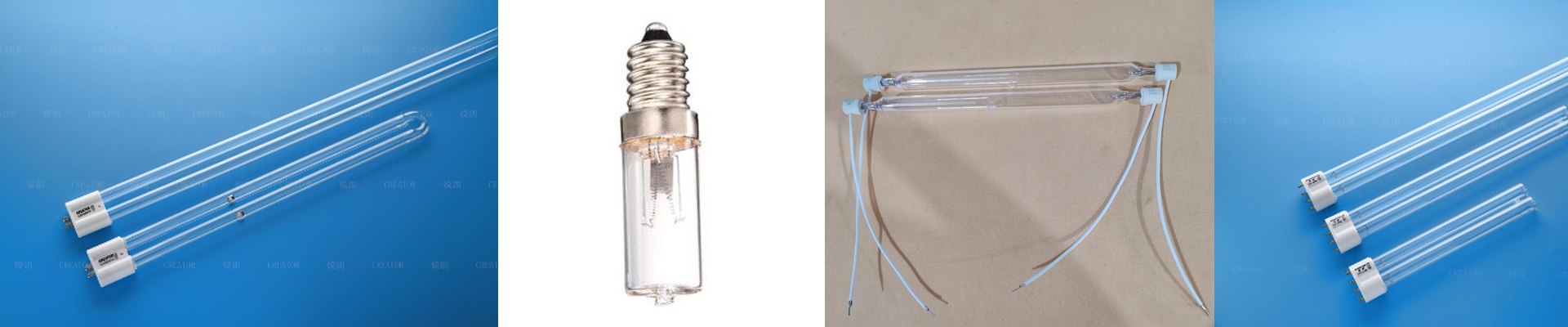
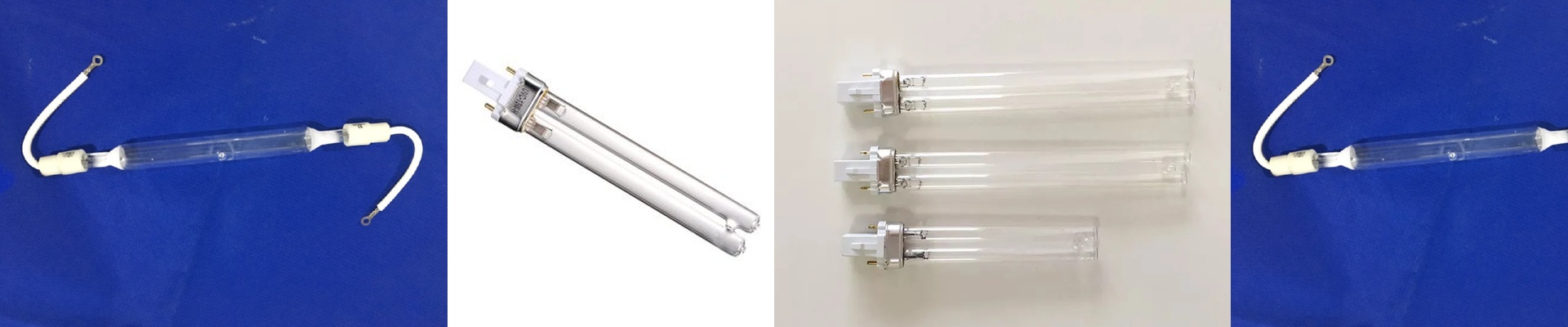
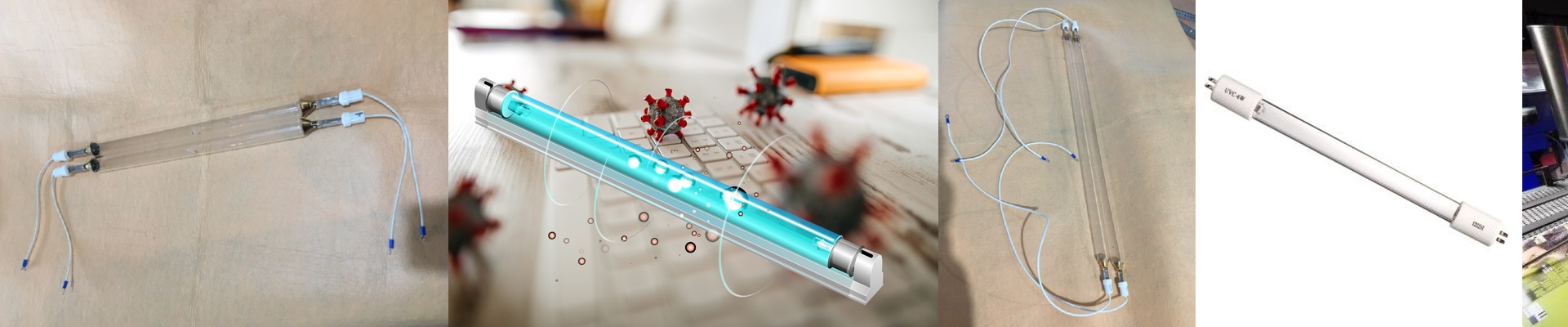
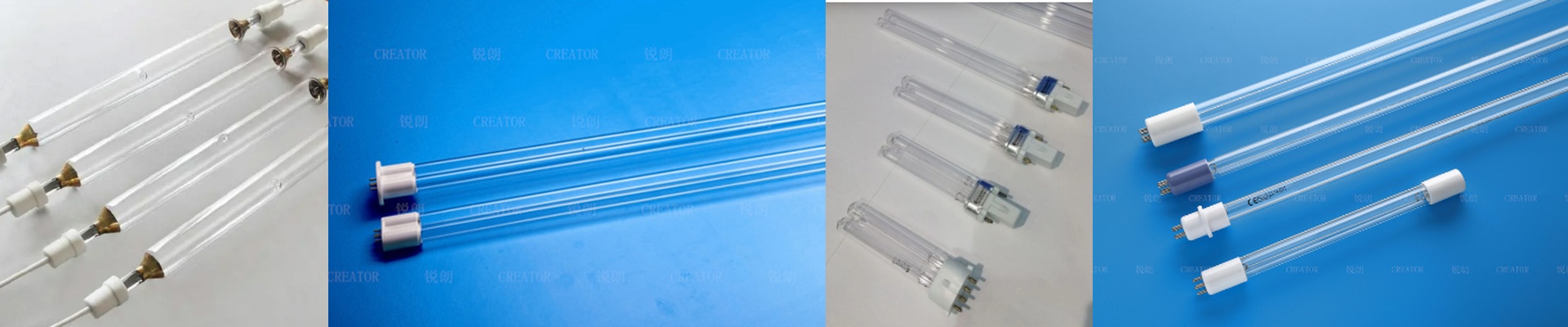
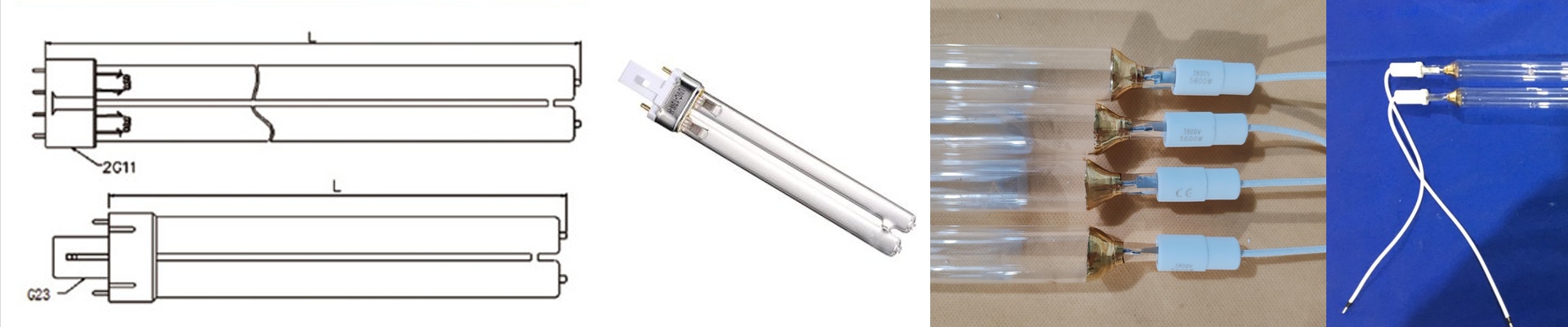
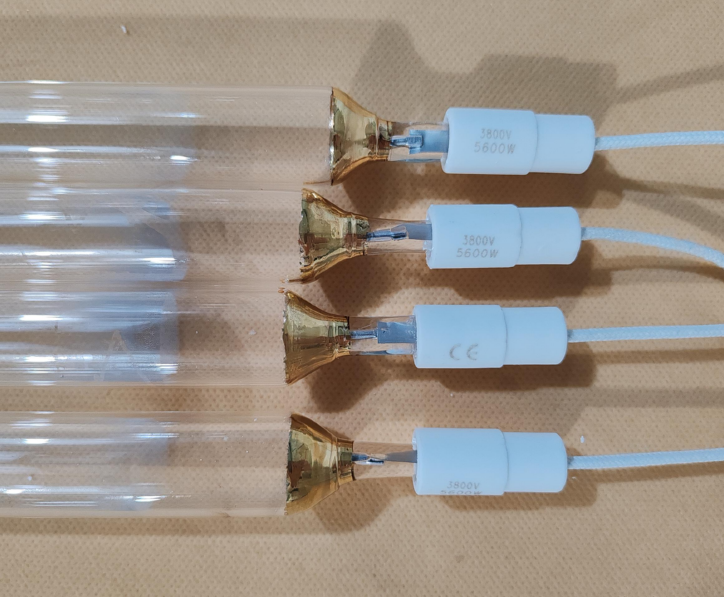
If you’re trying to move your shop toward a more automated setup, you quickly realize that “faster” isn’t always better. It’s about control. That’s why we lean on Gallium Iodide (GaI) lamps. Most UV lamps throw out a wide range of light, which is a bit like using a sledgehammer when you need a scalpel. GaI lamps are different. They hit a very specific, narrow window of the UV spectrum that matches exactly what high-density (HDI) photoresists need to cure. The magic is in the focus. We keep the energy concentrated between 300nm and 400nm. Because the light is so targeted, you don’t have to deal with “light bleed”—that annoying blur where light hits areas it shouldn’t. Plus, since the lamps are more efficient, the boards don’t have to sit under the heat for nearly as long. This is huge. Too much heat and your resist starts to warp or peel right off the board. By keeping it cool, your traces stay sharp and your tolerances stay tight. Getting them into your line The good news? These are basically drop-in replacements for your old UV arrays. They plug right into your current power supplies. But here is the catch: you’ve got to double-check your ballast settings. GaI lamps run hotter than those old mercury vapor tubes. If your cooling fans are ancient, the heat will just eat through the lamp’s lifespan. And for heaven’s sake, keep the quartz envelopes clean. A single fingerprint or a layer of dust creates a hot spot. One of those, and the glass cracks. It’s a pain, but a strict cleaning schedule saves you from a total shutdown. Finding the sweet spot Now, it’s tempting to just crank the power to blast through your production targets. Don’t do that. High energy density means you can speed up the conveyor, but if you push the wattage too hard, you’ll over-cure the edges of your circuits. You’ll lose that crisp resolution you worked so hard to get. It’s all a balancing act between how fast the belt is moving and how much power the lamp is putting out. Spend the time to calibrate it right. It’s a lot cheaper than tossing a batch of expensive substrates in the trash.