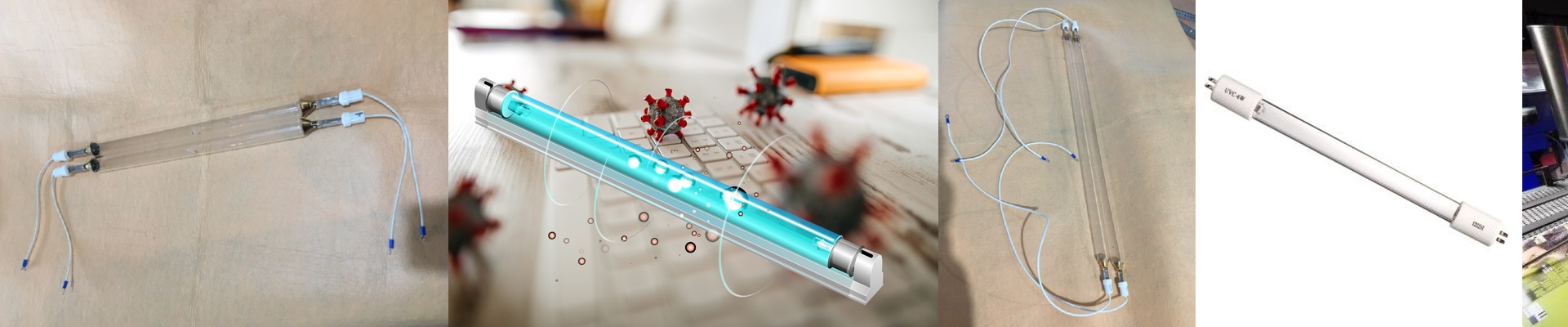
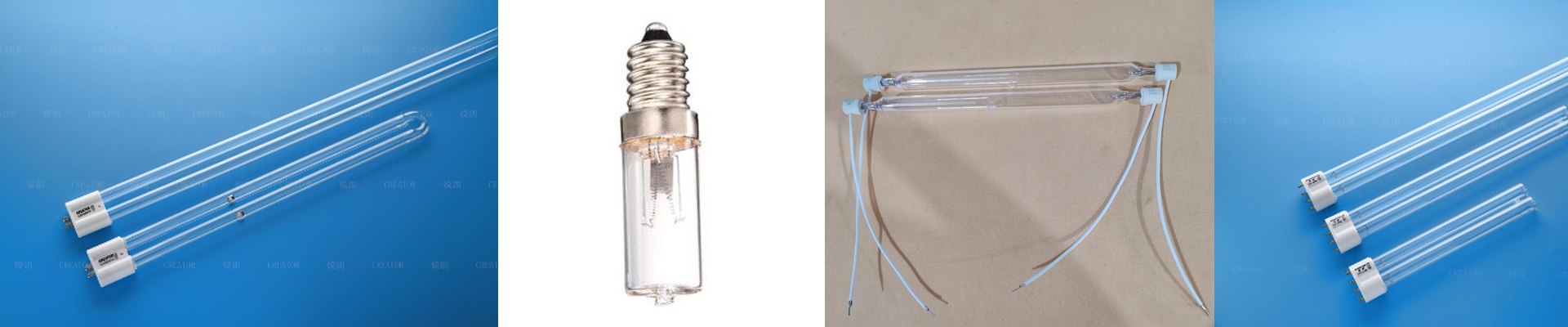
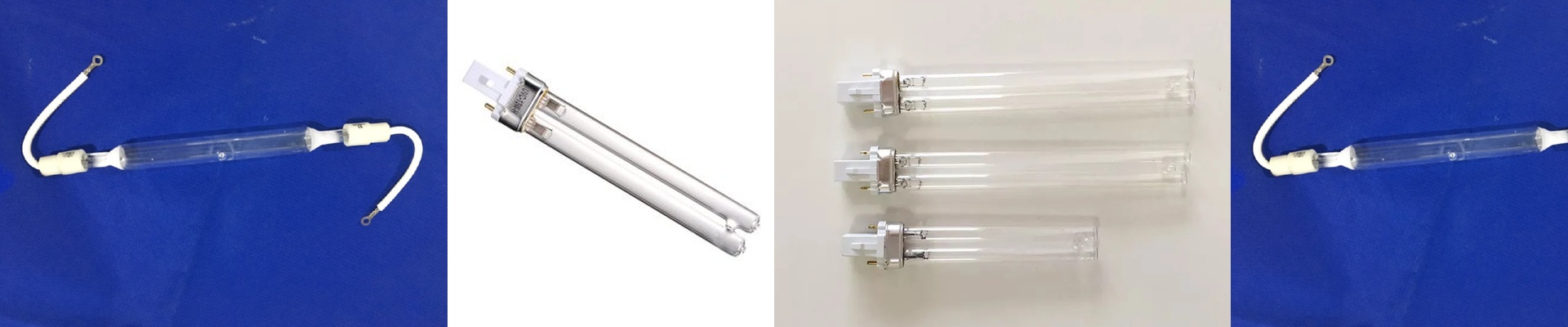
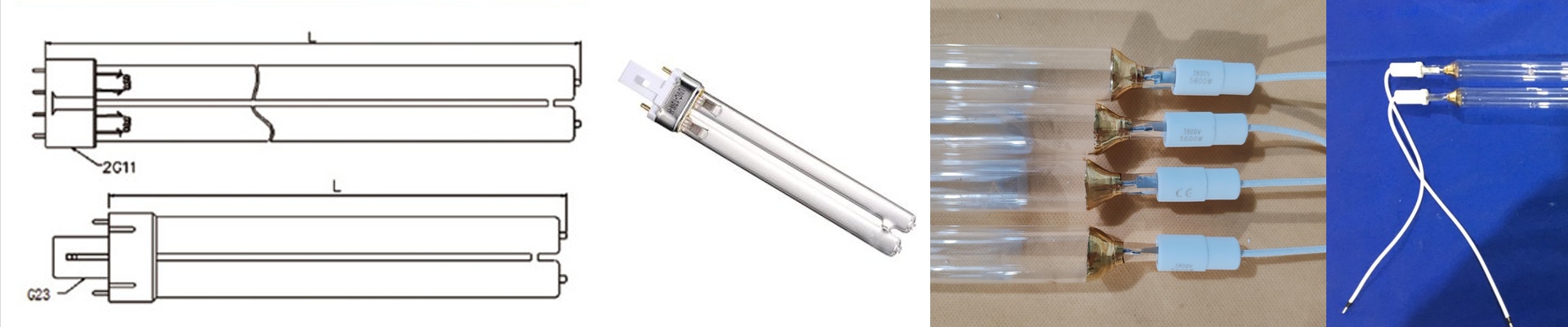
UV Sterilization and Curing That Actually Keeps Up
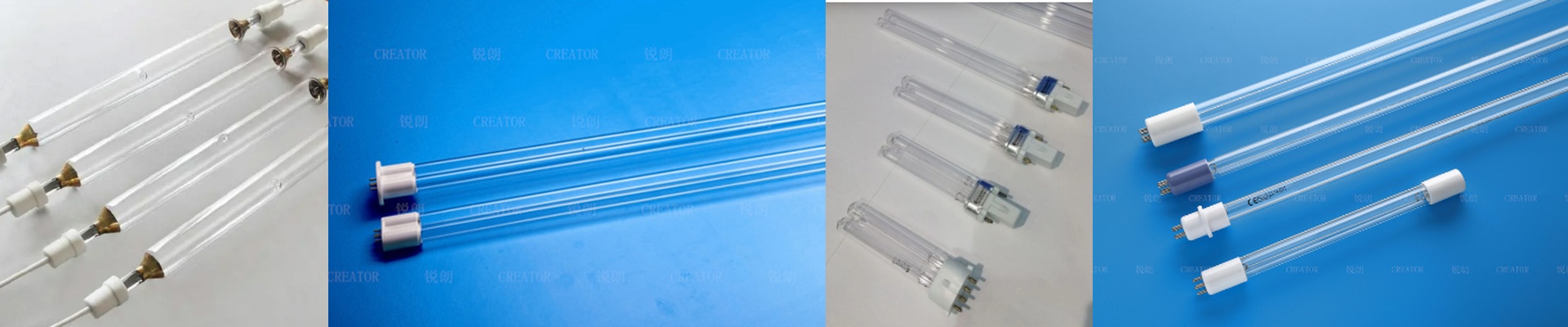
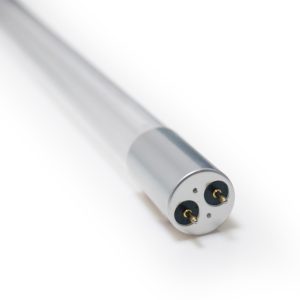
We build UV systems for the kind of industrial lines where stopping is not an option. When you’re running high volumes, uptime is the only number that actually matters. Our gear uses UV-C wavelengths to either rip apart contaminants or snap resins into a hard cure—fast. The power struggle Here is where most people mess up: they don’t match the wattage to the line speed. If your conveyor is flying, you need more punch. Otherwise, the part leaves the chamber before the UV dose even hits the target. We spec our lamps to make sure the light is consistent across the whole width of your belt. We can push a lot of power into a small space using high-voltage setups, but you’ve got to make sure your ballasts can handle the peak current. If they can’t, you’re just paying to burn out your lamps early. Quartz and the “shadow” problem We use high-purity fused quartz for the envelopes because standard glass just blocks the UV. Simple as that. Depending on what you’re doing, you can go with ozone-generating or ozone-free tubes. If you have tricky parts with nooks and crannies, ozone is your best friend. The gas drifts into the shadows where the direct light can’t reach. Just keep in mind that if you go this route, you’ll need a decent exhaust system so your team isn’t breathing it in on the shop floor. Getting it installed These are designed to drop right into most standard industrial housings. No headaches. We’re obsessive about the contact points. Why? Because a loose connection at the lamp end causes arcing, which pits the electrodes and kills your lamp life. It’s a small detail that saves you a lot of money. Our promise We aren’t interested in fancy brochures. We just match the output of the big-name brands. If the sterilization or cross-linking doesn’t hit those specs, we’ll give you your money back. Period. We don’t do the “optimal conditions” dance or hide behind fine print. If it doesn’t cure, it doesn’t work.